Entrepreneur of the Week
Post 5
Not every property that’s bought to generate cash flow actually behaves that way in real life.
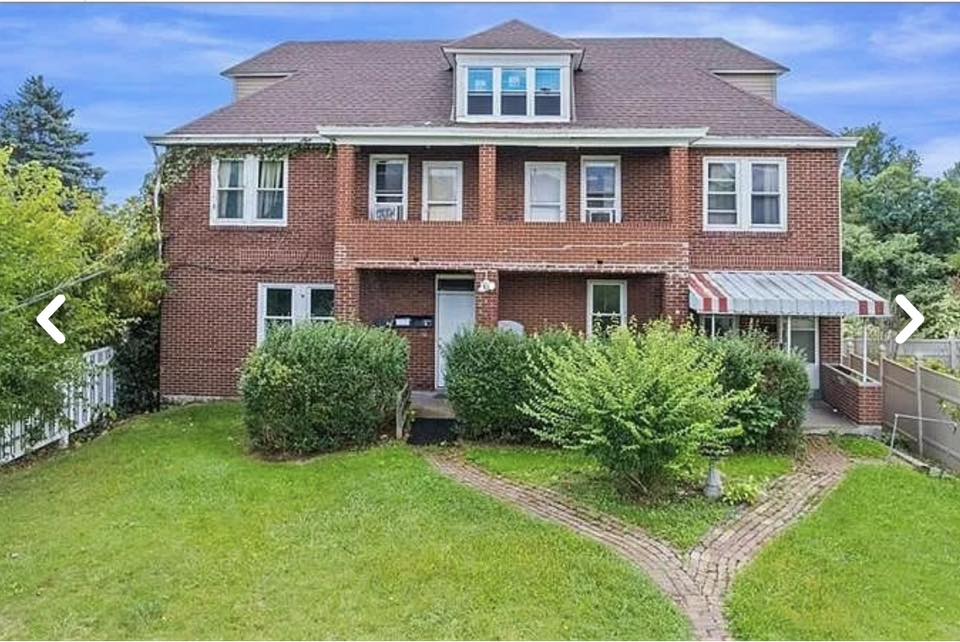
I bought the fourplex as a cash-flow property.
On paper, it made sense.
In reality, I quickly realized I was dealing with something completely different.
The tenant population was challenging.
Management was complex.
Contractors were constantly rotating — no continuity, no real control.
At one point, one contractor even took over the basement and the attic
and was living there with his crew.
At the same time, the one tenant who truly cared about the property
and helped keep it in good condition
decided he couldn’t handle it anymore — and left.
And here’s the part people don’t like to talk about,
but it’s an inseparable part of real property management:
I inherited a tenant who had been in conflict with the previous owner.
All the anger.
All the frustration.
It all transferred directly to me.
Eventually, she stopped paying rent,
and I had to go through an eviction process.
Anyone who’s never gone through an eviction
hasn’t truly experienced what it means to roll up your sleeves in real estate.
It’s not a line item on a spreadsheet.
It’s time, energy, constant involvement, and full presence.
At this point, I didn’t need to feel that something wasn’t working.
The numbers were already speaking clearly:
too much effort,
less income,
and far too little control.
But the decisive moment wasn’t numerical.
It was simple:
I realized I no longer enjoyed dealing with this property.
Other deals brought challenges —
but also satisfaction, interest, and sometimes even joy.
This one brought the exact opposite.
And that’s where the decision was made:
Holding onto a property just because I was already invested
would be emotional management — not business management.
After deciding to sell, peace of mind followed.
But not just peace —
also a very clear lesson:
What I’m willing to compromise on,
and what is no longer negotiable.
My message is simple:
I’m always in favor of taking risks and trying.
But today, I know how to work with numbers and challenges that move me forward —
and not stay in a deal just because of emotion, ego,
or reluctance to make a decision.
In the next post — the last one of this week (already over??) —
I’ll tie everything together
and explain how I now evaluate fit between deals and strategies,
and why what doesn’t work for me
might be perfect for someone else.
In the meantime, let me know if this resonated with you
and if you have any questions for tomorrow