


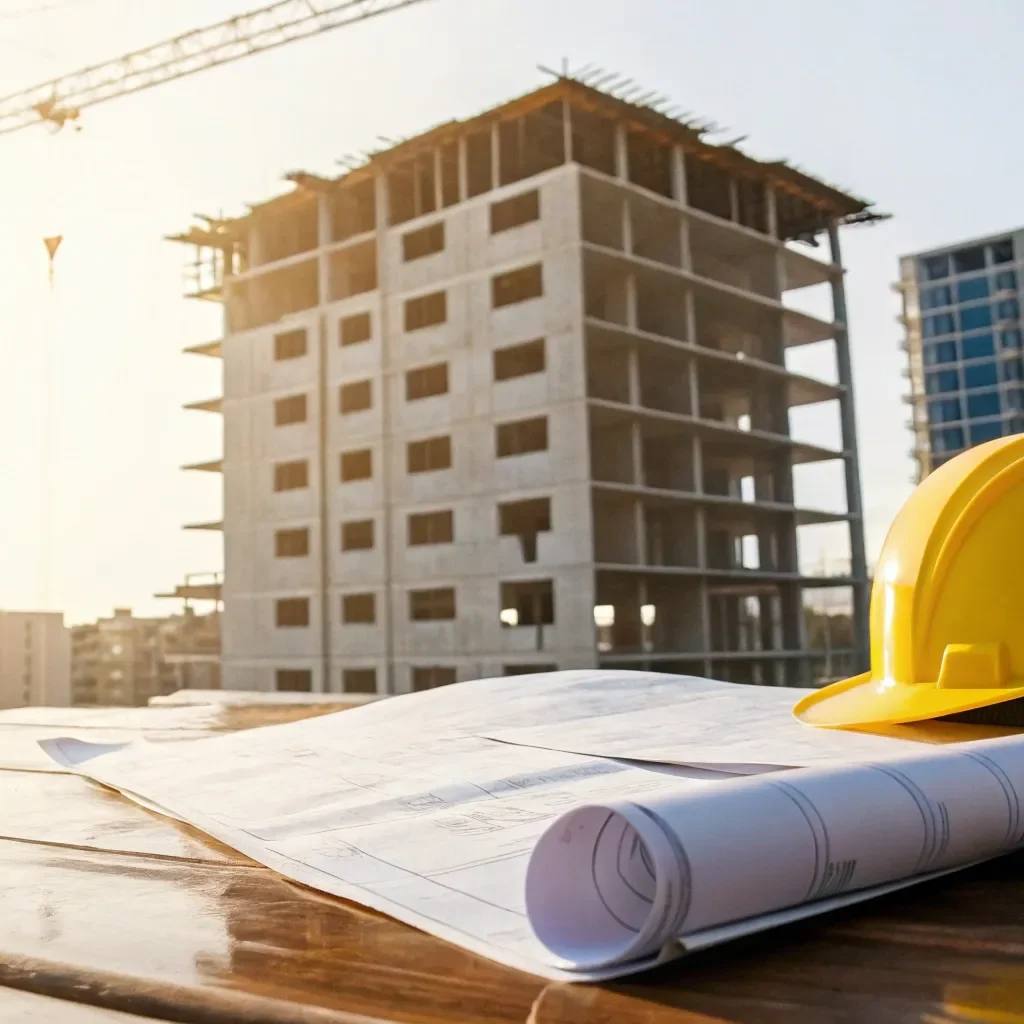
For foreign nationals, investing in the U.S. real estate market is an incredible opportunity, but building a new property can seem complex. Traditional lenders often have rigid requirements that don’t account for international credit or income verification, creating unnecessary roadblocks. The key is finding the right financing designed for your unique situation. A rental property construction loan provides the capital needed to turn a blueprint into a cash-flowing asset. This article breaks down the entire process, showing you how to prepare a strong application, what lenders look for, and why partnering with a specialist in foreign investor financing is your most important first step.
Key Takeaways
- Construction loans fund the build, not the purchase: This short-term financing is designed specifically for construction costs and pays out in stages as work is completed, which is a key difference from a standard mortgage.
- A detailed project plan is non-negotiable: Lenders need to see more than just your financial standing. A successful application requires a comprehensive plan that includes your budget, timeline, architectural drawings, and your chosen builder’s credentials.
- Plan your transition to a permanent loan: A construction loan is temporary. You’ll either need to refinance into a permanent mortgage once the property is built or choose a construction-to-permanent loan upfront to combine both financing stages into one process.
What Is a Rental Property Construction Loan?
If you’re planning to build a rental property from the ground up or undertake a major renovation, a traditional mortgage won’t quite fit the bill. Instead, you’ll need a rental property construction loan. Think of it as a short-term financing tool designed specifically to cover the costs of the building process itself—from labor and materials to permits and land. These loans typically last only for the duration of the construction, usually around a year.
Unlike a home loan where you receive a lump sum at closing, a construction loan works differently. The funds are paid out in stages, or “draws,” as you complete different phases of the project. This structure gives the lender confidence that the work is progressing as planned before they release more money. It’s a specialized product for a specific goal: turning a blueprint into a physical, income-generating asset. For investors looking to create a custom property perfectly suited to their market, securing one of these New Construction Loans is the essential first step in bringing that vision to life.
How It’s Different From a Traditional Mortgage
The most significant difference between a construction loan and a traditional mortgage is their purpose and timeline. A mortgage is a long-term loan (think 15 or 30 years) used to buy a home that already exists. A construction loan, on the other hand, is a short-term loan used to finance the building of a new property. Because there’s no finished home to use as collateral yet, lenders view these loans as higher risk.
This increased risk often translates to higher interest rates compared to a standard mortgage. Lenders also require a lot more detail upfront, including your complete construction plans, a detailed budget, and a project timeline. They need to be sure your project is viable and that you have a solid plan for completing it successfully.
When a Construction Loan Makes Sense for Your Rental
A construction loan is your go-to option when you’re building a new rental property or doing a renovation so extensive that the property will be uninhabitable. For real estate investors, these loans are incredibly useful because they provide the capital needed to create a brand-new asset. The staged-funding approach, where money is released after inspections confirm progress, helps keep your project on budget and on schedule.
This type of financing is particularly well-suited for experienced investors who can confidently manage a construction project. If your strategy involves building to rent—creating a portfolio of new, high-value properties—a construction loan is the financial tool designed to support that goal. It’s one of the many specialized Our Loan Programs available to help you expand your real estate investments.
Exploring Your Loan Options
When you decide to build a rental property, you’ll find that construction financing isn’t a one-size-fits-all product. The right loan for your project depends on your goals. Are you planning to build and hold the property for long-term rental income, or is this a shorter-term project? Understanding the fundamental differences between the loan types is the first step in creating a solid financial strategy for your investment.
Most financing for new builds falls into a few main categories, each with its own structure, terms, and ideal use case. Some loans are designed to streamline the process by combining the construction phase and the long-term mortgage into a single package. Others offer more flexibility by keeping them separate. And if you’re not building from the ground up but instead have your eye on a fixer-upper, there are specific loans for that, too. Let’s walk through the most common new construction loans so you can see which one aligns with your investment plan.
Construction-to-Permanent Loans
Think of a construction-to-permanent loan as an all-in-one solution. This loan is designed to cover your building costs and then automatically convert into a standard mortgage once the project is finished. The biggest advantage here is simplicity. You go through the application and closing process just once, which can save you a significant amount of time, paperwork, and money on closing costs. This option is perfect for investors who are confident in their plan to build and hold the property as a long-term rental. It provides a clear path from groundbreaking all the way to securing a tenant.
Construction-Only Loans
A construction-only loan does exactly what its name suggests: it provides the funds you need to complete the build, and that’s it. These are short-term loans, typically lasting only for the duration of the construction phase. Once the property is complete, the loan is due in full. This means you’ll need to secure a separate, permanent mortgage—often called a “take-out loan”—to pay it off. While it involves a second closing process, this option offers more flexibility. It allows you to shop for the best mortgage rates once the property is finished and its value is fully realized, which can be beneficial in a changing market.
Renovation Loans
What if you’re not building from scratch but are instead looking to upgrade an existing property? That’s where renovation loans come in. These loans are specifically designed to finance major repairs, additions, or modernizations to a property you already own or are in the process of buying. For real estate investors, this is a powerful tool for a “buy, rehab, and rent” strategy. Whether you’re adding a new bedroom, overhauling a dated kitchen, or making structural repairs, a renovation loan can help you fund the improvements that will increase your property’s value and rental income. It’s a great alternative to a full fix and flip loan when your goal is to hold the asset.
How to Qualify for a Rental Property Construction Loan
Securing a construction loan for your rental property is less about jumping through hoops and more about being prepared. Lenders want to see that you have a solid financial foundation and a clear, well-thought-out plan for your project. Think of it as building a case for your investment—the more organized and detailed you are, the more confident a lender will be in your vision. It all comes down to demonstrating that you’re a reliable partner with a profitable project in the works. Let’s walk through exactly what you’ll need to have in order.
What Lenders Look for in Your Finances
Before anything else, lenders will take a close look at your financial health. They need to know you can handle the financial responsibilities of a large-scale project. Generally, this means having a good credit score, often 650 or higher, to show a history of responsible borrowing. Lenders also typically look for substantial assets to ensure you have a financial cushion. While every situation is unique, having these financial markers in place makes you a much stronger candidate. It signals to lenders that you’re well-prepared for the investment and can manage the loan effectively. Our team can help you understand the specific financing options for foreign nationals.
Down Payment Requirements
Just like with a traditional mortgage, you’ll need to contribute some of your own capital upfront. For a construction loan, be ready to make a down payment of around 20% to 30% of the total project cost. This number can shift depending on the lender and the specifics of your build, but it’s a solid benchmark to plan for. Your down payment shows the lender that you’re financially committed to the project’s success—you have “skin in the game,” which reduces their risk. Planning for this expense early on is a critical step in getting your new construction loan approved.
Preparing Your Project Plan and Paperwork
A great idea is only as good as the plan to execute it. Lenders will want to see a detailed project plan that clearly outlines your construction goals, budget, and timelines. This includes having a qualified team of builders and contractors ready to go. You’ll also need to gather your personal and financial documents. This means having your identification, financial records, and any necessary immigration paperwork organized and accessible. Submitting a complete and professional package shows you’re serious and capable. When you’re ready, you can start your loan application with all your documents in hand.
A Quick Note for Foreign Nationals
If you’re a foreign national investing in the U.S. real estate market, you’re in a great position. There are specialized mortgage loans designed specifically for you, and the qualifying criteria often differ from conventional loans. The key is providing the right documentation to establish your identity and legal status, which typically includes a valid passport and visa. Don’t let the process feel intimidating; it’s simply a different path to the same goal. We offer specialized services for foreign nationals to help you gather what you need and find the right financing for your investment property.
Breaking Down Loan Terms and Interest Rates
Once you find a lender, the next step is to get familiar with the loan’s structure. The terms for a construction loan look a little different from a standard mortgage, mainly because you’re funding a project that doesn’t exist yet. Instead of receiving a lump sum at closing, the funds are paid out in stages as work progresses, and the interest and fees are structured to match this unique timeline. Understanding these details from the start is one of the best things you can do to manage your budget and expectations.
The key components to focus on are the interest rate structure during the building phase, the schedule for receiving funds (known as the draw schedule), and any associated fees or closing costs. Getting clear on these three areas will prevent surprises and help your project run smoothly from groundbreaking to completion. It’s all about knowing what to expect so you can focus on the build itself. We offer a variety of new construction loans designed to fit different project scopes and investor needs, and we make sure you understand every part of the process before you sign.
How Interest Rates Work During the Build
You’ll notice that construction loans often come with higher interest rates than traditional mortgages. This isn’t unusual; it’s how lenders account for the added risk of financing a project from the ground up. During the construction phase, you typically make interest-only payments. This is a huge help for your cash flow, as you’re only paying interest on the funds that have been drawn and sent to your builder, not on the total loan amount. These rates are usually variable and tied to a benchmark rate, like the prime rate. Once construction is complete, your loan will either be paid off or converted into a permanent mortgage with a standard principal and interest payment structure.
Understanding Draw Schedules and Payments
Instead of handing over all the money at once, a lender funds a construction loan in stages, known as “draws.” The draw schedule is a pre-approved payment plan that releases funds as your builder completes specific project milestones. For example, you might have a draw after the foundation is poured, another after the framing is up, and so on. Before releasing each draw, the lender will likely send an inspector to verify the work has been completed correctly. It’s crucial to agree on a clear and realistic draw schedule with your builder and lender from the beginning, as misunderstandings here are a common source of delays.
A Look at Fees and Closing Costs
Beyond the interest rate, there are other costs to factor into your budget. Most construction loans include an origination fee, which can be a percentage of the total loan amount. You’ll also need to provide a down payment, which is typically between 20% and 30% of the total project cost. Other potential expenses include fees for appraisals, inspections, title searches, and permits. Being prepared for these costs is essential for accurate financial planning. At Nadlan Capital Group, we believe in transparency, which is why we clearly outline our pricing and commission structure so you know exactly what to expect.
The Construction Loan Process, Step by Step
Getting a construction loan is a multi-stage process that’s a bit different from securing a standard mortgage. Instead of a simple approval and a one-time fund transfer, a construction loan follows your project from the ground up. It’s designed to release funds as work is completed, which protects both you and the lender by ensuring the project stays on track and on budget. Think of it as a partnership where your lender is just as invested in seeing that final certificate of occupancy as you are.
The process can be broken down into three main phases: getting approved, funding the actual construction, and then transitioning to a long-term loan once your property is ready for tenants. Understanding these steps ahead of time helps you prepare the right documents, set realistic timelines, and work effectively with your builder and lender. It might seem like a lot of moving parts, but once you know the rhythm, it’s a clear path from a vacant lot to a cash-flowing rental property. Let’s walk through exactly what you can expect at each stage.
From Application to Approval
The first step is getting your loan application approved, which involves a detailed look at you, your finances, and your project. Lenders need to see that you’re a reliable borrower and that the project itself is a sound investment. You’ll start by submitting a completed loan application along with your personal financial documents. As a foreign national, you’ll also need to provide a copy of your valid passport and visa to verify your identity and legal status.
Beyond your personal information, the lender will carefully review your construction plans. This includes the project budget, detailed architectural drawings, and information on your builder. They want to see a realistic timeline and confirm that your chosen contractor has a solid track record. A strong application package shows the lender you’ve done your homework and are ready to manage the project successfully.
How You’ll Receive Your Funds
Unlike a traditional mortgage where you get all the money at once, new construction loans are paid out in stages. This is done through a “draw schedule,” which is a pre-arranged plan for releasing funds as your project hits specific milestones. For example, you might receive the first draw after the foundation is poured, the next after the framing is complete, and another once the roof is on.
Before each draw is released, the lender will usually send an inspector to the site to verify that the work has been completed according to the plan. This system ensures that the money is being used as intended and that the project is progressing on schedule. The funds are typically paid directly to your builder or contractor, simplifying the payment process for you.
Switching to a Permanent Loan
Construction loans are short-term, usually lasting only as long as the building phase (around 12 to 18 months). Once construction is finished and the property receives its certificate of occupancy, the construction loan must be paid off. This is typically done by refinancing into a permanent, long-term loan, much like a traditional mortgage.
This final loan will cover the outstanding balance of the construction loan and will have a standard repayment term of 15 or 30 years. If you opted for a construction-to-permanent loan, this transition is seamless and happens automatically. If you have a construction-only loan, you will need to apply for a separate new purchase loan to pay off the initial financing. This is the final step that moves you from the building phase to being the owner of a tenant-ready investment property.
The Pros and Cons of Construction Loans
Deciding to build a rental property from the ground up is a major step, and it’s smart to weigh the benefits against the potential hurdles. A construction loan isn’t like a standard mortgage; it’s a specialized financial tool designed for the unique demands of a building project. For investors, especially those new to the US market, understanding both sides of the coin is key to making a confident and profitable decision.
This type of financing gives you incredible control over your investment, but it also comes with a different set of rules and risks. Let’s walk through what you can expect, from the exciting possibilities to the practical challenges you’ll need to prepare for.
The Upside for Real Estate Investors
The biggest advantage of a construction loan is the ability to create a property perfectly tailored to your vision and the market’s needs. Instead of searching for an existing property that just mostly fits, you can design a rental unit with the ideal layout, finishes, and amenities to attract high-quality tenants. This level of customization can lead to higher rental income and a stronger long-term asset.
These loans open up new opportunities, allowing you to build single-family rentals or even small multi-family units in promising areas. With new construction lending, you’re not just buying a property; you’re building an investment from scratch, giving you complete control over the final product and its potential returns.
Potential Challenges and Risks to Consider
While building your own rental is exciting, it’s important to be realistic about the challenges. One of the most common mistakes is underestimating the project’s timeline and budget. Delays in construction can happen, and unexpected costs can pop up, so having a solid contingency plan is essential.
For foreign investors, the process can have a few extra layers. Lenders will look closely at your project plan and financial standing, and not having a US credit history can feel like a major roadblock. It’s a common hurdle, but it’s not insurmountable. Working with a lender who specializes in financing for foreign nationals can make all the difference, as they understand how to verify your creditworthiness using international documentation.
How to Manage Cash Flow During Construction
One of the best features of a construction loan is how it’s structured to protect your cash flow during the build. You typically only pay interest on the funds you’ve used, not the total loan amount. The money isn’t given to you in one lump sum; instead, it’s paid out to your contractor in stages, or “draws,” as they complete key milestones.
This draw schedule ensures the work is progressing as planned before more funds are released. Many loan structures even include money set aside specifically for these interest payments, so you don’t have to cover them out-of-pocket. This approach helps keep your project on track financially and gives you peace of mind while you focus on bringing your investment property to life.
Finding the Right Lender for Your Project
Choosing a lender is one of the most critical decisions you’ll make for your construction project. This isn’t just a transaction; it’s a partnership. The right lender will be a supportive part of your team, while the wrong one can create roadblocks and delays. For foreign nationals building a rental property in the US, the stakes are even higher. You need a financial partner who understands the specific hurdles you face and has a clear process for helping you succeed. Not all lenders are equipped to handle the nuances of international financing, so it’s essential to do your homework and find one with the right expertise for your unique situation.
Why Lender Experience Matters
When you’re building from the ground up, you want a lender who has been down this road many times before. This is especially true for construction loans, which are more complex than standard mortgages. For foreign nationals, these loans present additional challenges, as lenders must assess not only your creditworthiness but also the specific requirements related to foreign investments. An experienced lender won’t be caught off guard by international credit reports or foreign income documentation. They’ll have a streamlined process for these scenarios, helping you avoid the kind of mortgage horror stories that can derail a project. Their expertise means a smoother, more predictable process from application to final draw.
How to Compare Loan Programs and Terms
It’s tempting to focus only on the interest rate, but a great loan is about more than just that number. Different lenders have different rules, so it’s a good idea to compare options across the board. Look at the loan-to-cost (LTC) ratio they offer, the structure of the draw schedule, and any associated fees. You should also ask about the process for converting the construction loan to a permanent mortgage once the build is complete. While lenders typically look for a good credit score, often 650 or higher, the overall terms can vary significantly. Take the time to review several loan estimates to get a full picture of what each lender offers before you commit. You can start by exploring the different loan programs available to see what might fit your project best.
The Advantage of a Specialized Lender for Foreign Investors
Working with a lender that specializes in financing for foreign nationals can make a world of difference. These lenders have created
Related Articles
- Loan Types – Nadlan Capital Group – Financing For Foreign Investors in the US Market
- How Rental Property Mortgages Empower Your Real Estate Success – Nadlan Capital Group – Financing For Foreign Investors in the US Market
- Construction to Permanent Loans: What Real Estate Professionals Need to Know – Nadlan Capital Group – Financing For Foreign Investors in the US Market
- New Construction Lending and Loans | Nadlan Capital Group
- Frequently Asked Questions – Nadlan Capital Group – Financing For Foreign Investors in the US Market
Frequently Asked Questions
Is it more difficult for a foreign national to qualify for a construction loan? It’s not necessarily more difficult, but the process is different. Lenders will need to verify your identity and financial standing using international documents, which is why it’s so important to work with a financial partner who has experience with foreign investors. A specialized lender won’t be slowed down by things like a foreign credit history or income verification from another country; they have a system in place specifically for you.
What happens to the loan once my rental property is built? Once construction is complete and the property is ready for tenants, the short-term construction loan needs to be paid off. This usually happens in one of two ways. If you have a construction-to-permanent loan, it will automatically convert into a long-term mortgage. If you have a construction-only loan, you will get a new, separate mortgage to pay off the construction financing.
How much of my own money will I need for the down payment? You should plan on making a down payment of around 20% to 30% of the total project cost. This includes the land, materials, labor, and other associated expenses. Your down payment demonstrates to the lender that you are financially committed to the project’s success, which makes you a much stronger applicant.
Do I start making full loan payments right away? No, and that’s one of the biggest benefits for your cash flow during the build. With a construction loan, you typically make interest-only payments. Even better, you only pay interest on the funds that have been paid out to your builder so far, not on the total loan amount. This keeps your monthly payments low while the property isn’t generating any income yet.
Besides my finances, what is the most important part of my application? Your project plan is just as critical as your personal finances. Lenders need to see that you have a detailed, realistic plan for a successful build. This means providing professional architectural drawings, a line-by-line budget, a clear timeline, and proof that you have hired a qualified and reputable builder. A well-organized plan shows the lender that their investment is in capable hands.