



The real estate market is a dynamic environment characterized by shifting demands, economic influences, and evolving consumer preferences. As of 2026, understanding real estate trends is more critical than ever for investors and developers aiming to make informed decisions. With housing market predictions indicating fluctuating prices and changing demographics, a comprehensive analysis of current market demands is essential. This article will explore the latest trends shaping the real estate landscape and provide actionable insights for novice investors looking to navigate this complex field.
Understanding Current Real Estate Trends


Real estate trends encompass a variety of factors that influence the housing market and investment opportunities. From economic indicators to consumer behavior, these trends can significantly affect property values and investment strategies. Staying informed about these trends allows investors to make educated decisions and capitalize on emerging opportunities.
Economic Indicators Influencing Real Estate
Economic indicators play a pivotal role in determining the health of the real estate market. Several key metrics are particularly relevant:
- Interest Rates: Fluctuating interest rates can dramatically impact mortgage affordability, influencing buyer behavior. As of 2026, interest rates have remained relatively stable, encouraging more buyers to enter the market.
- Employment Rates: Higher employment rates typically correlate with increased demand for housing. A robust job market can lead to greater consumer confidence and spending in real estate.
- Inflation: Rising inflation often leads to increased construction costs, which can affect home prices. Investors should be mindful of how inflation trends impact their investment returns.
Understanding these economic indicators is crucial for investors as they assess market conditions and make strategic decisions.
Demographic Shifts and Their Impact
Demographic trends are another critical aspect of real estate analysis. As populations change, so do housing preferences. Notable demographic shifts include:
- Millennial Homebuyers: This generation is becoming a significant force in the housing market. As they enter their prime homebuying years, their preferences for urban living and sustainability are reshaping demand.
- Aging Population: The increasing number of retirees is influencing demand for single-story homes and active adult communities. Investors should consider properties that cater to this demographic.
- Remote Work Trends: The rise of remote work has shifted housing demands from urban centers to suburban areas, where buyers seek larger living spaces and more affordable options.
By understanding these demographic shifts, investors can identify lucrative opportunities in emerging markets.
Top Real Estate Investment Strategies for Novice Investors
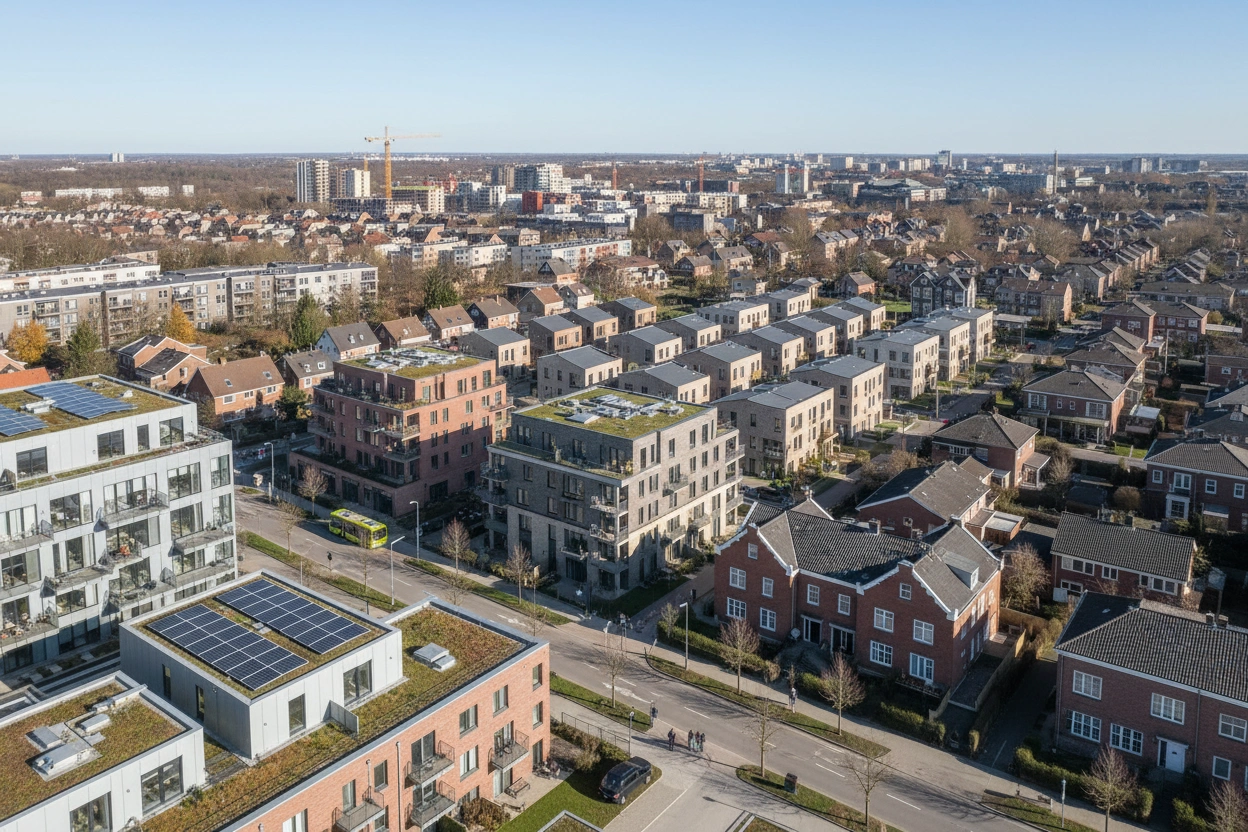
For those new to real estate investing, developing effective strategies is essential for success. The following strategies can help novice investors navigate the complexities of the market.
1. Focus on Rental Properties
Investing in rental properties is a popular strategy for generating passive income. Here are key considerations:
- Location: Prioritize properties in areas with strong rental demand, such as near universities or urban centers.
- Property Management: If managing properties directly is daunting, consider hiring a property management company to handle tenant relations and maintenance.
- Long-term vs. Short-term Rentals: Evaluate the potential of long-term rentals versus short-term vacation rentals based on local regulations and market demand.
2. Consider Fix-and-Flip Opportunities
For investors seeking quicker returns, fix-and-flip projects can be a viable option. Important steps include:
- Market Research: Identify neighborhoods with potential for appreciation and low inventory.
- Budgeting: Create a detailed budget that accounts for renovation costs and unforeseen expenses.
- Networking: Build relationships with contractors and real estate agents who can assist in the buying and selling process.
3. Explore Real Estate Investment Trusts (REITs)
REITs offer a way for novice investors to enter the real estate market without the need for substantial capital. Consider these points:
- Diversification: REITs allow investors to diversify their portfolios across various types of properties, reducing risk.
- Liquidity: Unlike traditional real estate investments, shares of REITs can be bought and sold on stock exchanges, providing liquidity.
- Passive Income: REITs typically pay dividends, offering a source of passive income without the responsibilities of property management.
4. Leverage Technology and Data
Utilizing technology and data analytics can enhance decision-making in real estate investing. Effective use of these tools includes:
- Market Analysis Tools: Employ software that provides insights into market trends, property values, and rental rates.
- Virtual Tours: Use virtual tour technology to showcase properties, attracting more potential buyers or tenants.
- Social Media Marketing: Leverage social media platforms to reach a broader audience when promoting properties.
5. Build a Strong Network
Networking is a fundamental aspect of real estate investing. Key strategies for building connections include:
- Attend Local Real Estate Meetups: Engage with other investors and industry professionals to share insights and opportunities.
- Join Online Forums: Participate in real estate discussions and social media groups to exchange knowledge and experiences.
- Collaborate with Experienced Investors: Seek mentorship from seasoned investors who can provide guidance and support.
Common Misconceptions in Real Estate Investing

Novice investors often hold misconceptions that can hinder their success. Addressing these misunderstandings can lead to more informed decision-making.
Misconception 1: Real Estate is a Guaranteed Investment
Many newcomers believe that real estate is a foolproof investment. In reality, market fluctuations can impact property values. Investors should conduct thorough research and understand local market dynamics to mitigate risks.
Misconception 2: All Properties Appreciate Over Time
While many properties appreciate, not all do. Factors such as location, market conditions, and property management play significant roles in determining appreciation rates. Investors should be cautious and analyze trends before making purchases.
Misconception 3: You Need a Large Capital to Start Investing
Although having capital is beneficial, there are various ways to invest in real estate with limited funds. Options such as partnering with other investors, using financing, or exploring REITs can provide pathways into the market without substantial initial investments.
The Future of Real Estate Trends
As the real estate market continues to evolve, several trends are expected to gain traction in the coming years. Understanding these trends will help investors make informed decisions.
Sustainability and Green Building
Sustainability is becoming increasingly important in real estate. Properties that incorporate energy-efficient features and sustainable materials are attracting environmentally-conscious buyers. Investors should consider the long-term benefits of investing in green buildings, as they often command higher resale values and rental rates.
The Rise of Smart Homes
Smart home technology is gaining popularity among buyers. Features such as smart thermostats, security systems, and energy management tools are appealing to tech-savvy consumers. Investors should consider properties equipped with smart technology to enhance their marketability.
Urbanization and Mixed-Use Developments
Urbanization trends indicate a growing preference for mixed-use developments that combine residential, commercial, and recreational spaces. These developments offer convenience and community engagement, making them attractive to potential buyers and renters. Investors should keep an eye on urban development projects that align with this trend.
The Role of Nadlan Capital Group in Real Estate Investing
In the context of the evolving real estate landscape, Nadlan Capital Group is committed to helping investors navigate market demand and capitalize on emerging trends. With a focus on providing tailored financing solutions, Nadlan Capital Group supports a variety of real estate investors, from novice buyers to experienced developers.
By leveraging industry insights and understanding real estate trends, Nadlan Capital Group can assist investors in making informed decisions that align with their financial goals. Whether seeking funding for a fix-and-flip project or building a long-term rental portfolio, Nadlan Capital Group offers the expertise and resources necessary for success.
Strategies for Engaging with Nadlan Capital Group
To maximize the benefits of partnering with Nadlan Capital Group, consider the following:
- Research Financing Options: Understand the various financing solutions available and how they align with your investment strategy.
- Schedule a Consultation: Engaging with experts at Nadlan Capital Group can provide personalized insights and guidance tailored to your specific needs.
- Stay Informed: Continuously educate yourself about market trends and investment strategies to make the most of your partnership.
Investing in real estate can be a rewarding endeavor with the right knowledge and support. As you navigate the complexities of the market, Nadlan Capital Group is here to assist you in achieving your investment goals.
For more information and to explore how Nadlan Capital Group can support your real estate investing journey, contact Nadlan Capital Group today.