


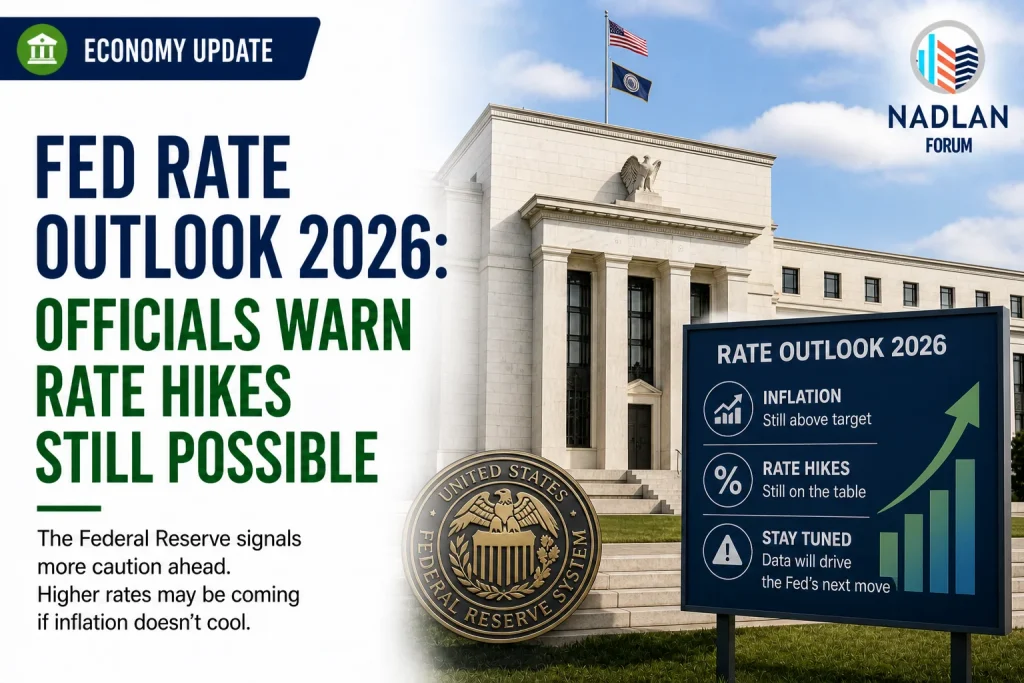
The direction of U.S. interest rates is becoming harder to predict as global tensions continue to affect inflation and economic stability. A senior Federal Reserve official has indicated that rate cuts are not guaranteed and that rate increases are still on the table if inflation pressures continue.
The ongoing conflict involving Iran is adding uncertainty to the economic outlook, making it difficult for policymakers to provide clear guidance.
Fed Signals Caution on Rate Cuts
Neel Kashkari, a key voice within the Federal Reserve system, recently stated that it is too early to expect interest rate cuts. He emphasized that the central bank must remain flexible as conditions evolve.
According to Kashkari, the current situation could shift in multiple directions. If inflation continues to rise or economic risks increase, policymakers may need to consider raising rates instead of lowering them.
This cautious stance reflects how uncertain the current economic environment has become.
Iran Conflict Adds Pressure to Inflation
The conflict in the Middle East is playing a major role in shaping the Fed’s outlook. One of the biggest concerns is energy supply.
The continued closure of the Strait of Hormuz a key global oil route is limiting the flow of oil and gas. This has pushed energy prices higher and increased inflation risks worldwide.
Higher energy costs often lead to:
- Increased transportation expenses
- Higher production costs for businesses
- Rising prices for everyday goods
These factors make it harder for the Fed to bring inflation back to its target level.
Inflation Remains Above Target
Recent data shows that inflation is still running above the Federal Reserve’s goal.
The personal consumption expenditures (PCE) index the Fed’s preferred inflation measure has been above the 2% target for an extended period. With inflation recently around 3.5%, policymakers are under pressure to prevent further increases.
Some officials, including Austan Goolsbee, have described the latest inflation data as disappointing, signaling that progress toward price stability has slowed.
Division Within the Federal Reserve
The uncertainty is also creating differences in opinion among policymakers.
At the latest meeting of the Federal Open Market Committee, several members disagreed on how to communicate future rate moves.
- Some officials want to keep the option open for rate hikes
- Others believe rate cuts may still be needed later
- A smaller group supports easing policy sooner
This level of disagreement is unusual and highlights how complex the current situation is.
Current Policy: Rates on Hold for Now
For now, the Federal Reserve has chosen to keep its benchmark interest rate steady in the range of 3.5% to 3.75%.
While this decision signals a pause, it does not mean that the next move is certain. The Fed has made it clear that future decisions will depend on incoming data and global developments.
Leadership Transition Adds Another Layer
The Fed is also preparing for a leadership change.
Jerome Powell is expected to step down from his role as chair, with Kevin Warsh likely to take over pending confirmation.
Leadership transitions can influence policy direction, especially during uncertain economic periods. Markets will be watching closely to see how the new leadership approaches inflation and interest rates.
What This Means for Consumers
For everyday consumers, this uncertain rate outlook has real effects.
- Borrowing costs may remain high for longer
- Mortgage and loan rates could stay elevated
- Credit card interest rates may not decline soon
- Savings rates could remain relatively attractive
The possibility of further rate hikes means that relief on borrowing costs may take more time.
Outlook for the Rest of 2026
Looking ahead, the path of interest rates will depend on several key factors:
- Inflation trends in the coming months
- Developments in the Iran conflict
- Energy price movements
- Overall economic growth and employment
If inflation stays high or rises further, the Fed may choose to tighten policy again. If conditions improve, rate cuts could still happen — but not immediately.
Key Takeaways
- Fed officials are not ready to signal rate cuts in 2026
- Rate hikes are still possible if inflation worsens
- The Iran conflict is adding pressure through higher energy prices
- Inflation remains above the Fed’s target level
- Policymakers are divided on the next steps
Final Thoughts
The Federal Reserve is navigating a difficult environment shaped by global conflict, persistent inflation, and economic uncertainty. Instead of committing to a clear path, officials are keeping all options open.
For now, the message is simple: interest rates may stay where they are or even move higher depending on how conditions unfold. For direct financing consultations or mortgage options for you visit 👉 Nadlan Capital Group.
