


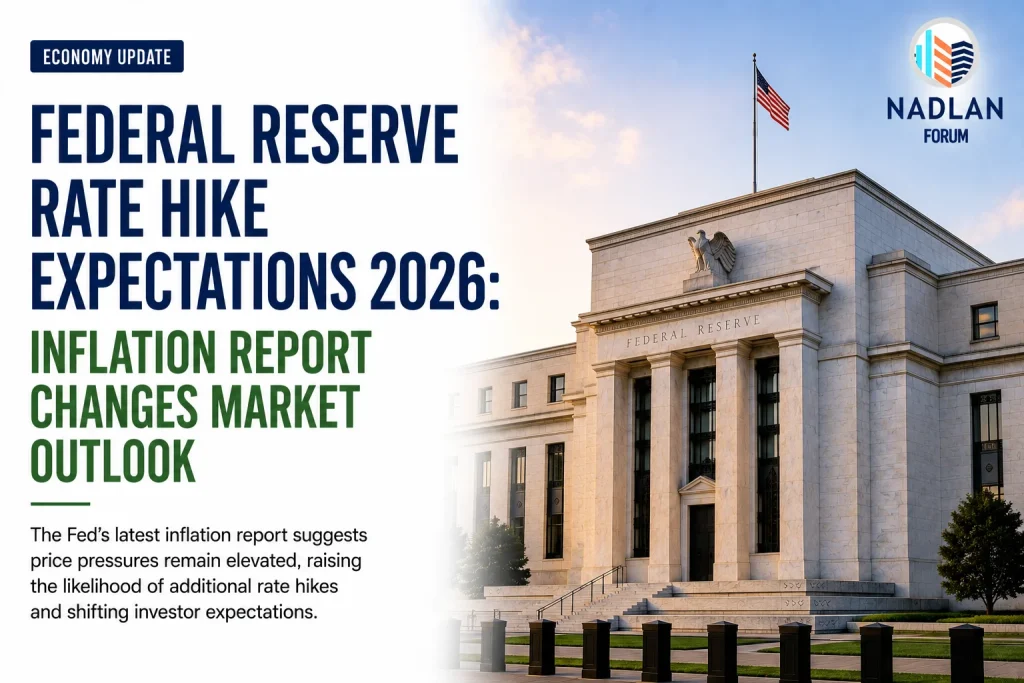
Markets Shift Away From Rate Cut Expectations
Financial markets sharply adjusted expectations for Federal Reserve policy after a stronger-than-expected inflation report increased concerns about rising prices across the U.S. economy.
Traders are now moving further away from expecting interest rate cuts and have started pricing in a growing possibility that the next move by the Federal Reserve could actually be another rate increase.
According to futures market pricing, investors now see roughly a 37% chance of a rate hike before the end of 2026.
Inflation Remains the Main Concern
The latest inflation data showed consumer prices rising faster than expected, mainly driven by higher energy costs.
Since tensions in the Middle East intensified earlier this year, oil and fuel prices have climbed sharply. Energy costs accounted for a large share of the recent increase in the Consumer Price Index, which reached its highest level in nearly three years.
Inflation remaining elevated makes it harder for the Fed to justify lowering interest rates anytime soon.
Energy Prices Continue to Pressure Inflation
Much of the current inflation pressure is tied to rising fuel prices.
Global energy markets have remained unstable due to ongoing concerns surrounding shipping routes and oil supply disruptions. As gasoline and transportation costs increase, businesses often pass those higher expenses on to consumers.
This can lead to broader inflation across goods and services throughout the economy.
Fed Expected to Stay on Hold
Many economists now believe the central bank is likely to keep rates unchanged for an extended period.
Some analysts say the Fed’s biggest concern is no longer a weakening labor market, but rather preventing inflation expectations from rising further.
If consumers and businesses begin expecting permanently higher inflation, it becomes more difficult for policymakers to bring prices back under control.
Rate Hikes No Longer Off the Table
While many investors previously expected rate cuts later this year, market sentiment has changed noticeably after the latest inflation report.
Markets are now pricing out most chances of cuts through the near future. Instead, some investors believe the Fed may eventually need to consider additional rate increases if inflation remains stubbornly high.
This reflects growing uncertainty about how quickly price pressures can ease.
Incoming Fed Leadership Faces Challenges
The shifting market outlook may create challenges for incoming Fed Chair Kevin Warsh, who has previously expressed support for lower interest rates.
Warsh is expected to take over leadership responsibilities soon, but implementing rate cuts while inflation remains elevated could face resistance from other policymakers and financial markets.
Analysts say inflation trends may limit how much flexibility the Fed has in the near term.
Some Economists Still See Inflation as Temporary
Not all economists believe higher inflation will continue spreading through the broader economy.
Some analysts argue that much of the recent increase was concentrated in energy and shelter costs rather than across all sectors. Core inflation measures, which exclude food and energy, have shown more moderate growth in some areas.
Because of this, some economists still expect the next Fed move to eventually be a rate cut rather than a hike, although likely much later than markets previously expected.
Housing and Borrowing Costs Remain Under Pressure
Higher interest rate expectations continue to impact consumers and businesses.
Mortgage rates, auto loans, credit cards, and business financing remain elevated compared to the low-rate environment seen during earlier years.
For the housing market, higher borrowing costs continue to limit affordability and slow buyer demand in many regions.
Investors Closely Watching Inflation Expectations
One of the most important indicators for the Fed going forward will be inflation expectations.
If businesses and consumers continue expecting prices to rise faster over time, policymakers may feel forced to maintain or even tighten current policy settings.
The Fed has repeatedly stated that restoring price stability remains one of its main priorities.
What Happens Next
Upcoming inflation reports, energy market developments, and labor market data will all play major roles in shaping future Fed decisions.
If inflation slows over the coming months, expectations for rate cuts could return gradually. However, if energy prices continue rising and inflation remains elevated, markets may continue increasing expectations for tighter policy.
Final Thoughts
The Federal Reserve rate outlook for 2026 shifted significantly after the latest inflation report showed stronger price pressures than expected.
Markets are now placing greater odds on the possibility of another rate hike as inflation concerns outweigh expectations for near-term rate cuts. For direct financing consultations or mortgage options for you visit 👉 Nadlan Capital Group.