



Mortgage rates received a welcome boost this week after two closely watched inflation reports came in below expectations, easing concerns that the Federal Reserve would need to raise interest rates again this year. The improved inflation outlook helped bond markets recover and pushed mortgage rates modestly lower after they had climbed to their highest levels in nearly a year earlier in the week.
Although mortgage rates remain elevated compared with the historic lows seen during the pandemic, the latest decline provides some relief for prospective homebuyers and homeowners considering refinancing.
Rates Started the Week at Their Highest Levels
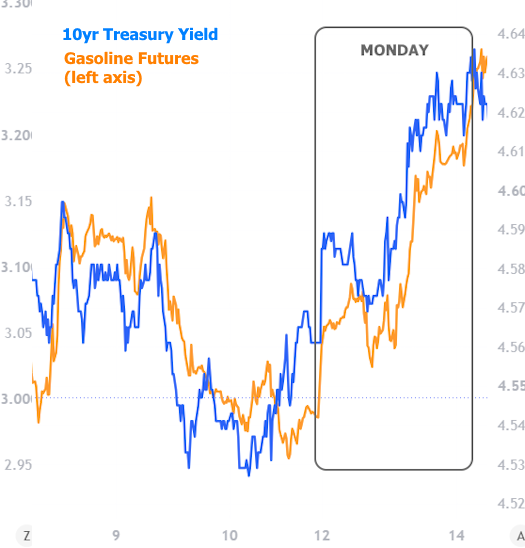
The week began with renewed pressure on financial markets as geopolitical tensions in the Middle East intensified.
Reports of additional U.S. military strikes involving Iran contributed to higher oil prices, which immediately renewed concerns about inflation. Rising energy costs often feed into transportation, manufacturing, and consumer prices, increasing the possibility that inflation could remain above the Federal Reserve’s target.
Because inflation is one of the biggest drivers of long-term interest rates, bond investors reacted cautiously, pushing Treasury yields and mortgage rates higher early in the week.
By Monday, average mortgage rates had reached their highest levels in nearly twelve months.

Inflation Reports Changed the Outlook
Market sentiment shifted dramatically after the release of two major inflation reports.
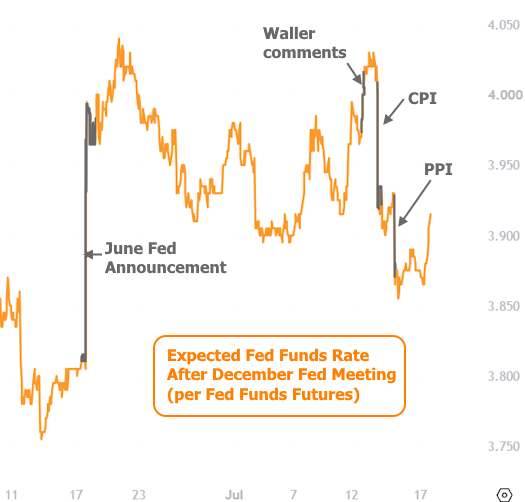
The Consumer Price Index (CPI) showed inflation increasing much less than economists had expected. Several key inflation measures came in below market forecasts, suggesting that price pressures may be cooling faster than anticipated.
The following day, the Producer Price Index (PPI) delivered another positive surprise.
Wholesale prices fell more than expected, and previous data was revised lower, indicating that inflation at the producer level has eased more quickly than initially believed.
Together, the reports strengthened confidence that inflation is gradually moving in the right direction.
Expectations for Another Fed Rate Hike Declined
Before the inflation reports were released, financial markets had increasingly expected another Federal Reserve interest rate increase before the end of the year.
Comments from Federal Reserve Governor Christopher Waller had also contributed to those expectations by suggesting policymakers might need to consider additional tightening if inflation remained elevated.
However, the softer inflation data quickly changed investor expectations.
Traders significantly reduced the probability of another Federal Reserve rate hike in 2026, believing policymakers may now have greater flexibility to leave interest rates unchanged if inflation continues to improve.
While no final decisions have been made, market expectations shifted noticeably within just two days.
Bond Markets Responded Quickly
Mortgage rates closely follow movements in the bond market, particularly U.S. Treasury yields and mortgage-backed securities.
As investors gained confidence that inflation may continue easing, demand for bonds increased.
Higher bond prices generally lead to lower yields, which in turn support lower mortgage rates.
Although the improvement was modest, the average top-tier 30-year fixed mortgage declined by roughly one-eighth of a percentage point between Monday and Friday.
This erased much of the increase that occurred earlier in the week and left mortgage rates slightly below where they had started the previous week.

Why Inflation Matters So Much
Inflation remains one of the most important factors affecting mortgage rates.
When inflation rises, investors demand higher returns to compensate for the reduced purchasing power of future interest payments. This typically pushes bond yields and mortgage rates higher.
Conversely, lower inflation expectations make bonds more attractive, allowing interest rates to move lower.
For this reason, monthly inflation reports often produce some of the largest movements in mortgage rates throughout the year.
The Federal Reserve and Mortgage Rates
Many homebuyers assume that mortgage rates move only when the Federal Reserve changes its benchmark interest rate.
In reality, mortgage rates respond much more to expectations about future Federal Reserve policy than to the actual announcement itself.
By the time the Fed officially raises or lowers its policy rate, financial markets have usually anticipated that decision well in advance.
This week’s market reaction illustrates that point clearly. Mortgage rates improved not because the Federal Reserve changed interest rates, but because investors became less concerned that another rate increase would be necessary.
What Homebuyers Should Watch Next
The economic calendar for the coming week is relatively light, meaning there are fewer scheduled reports that typically influence mortgage rates.
In addition, Federal Reserve officials have entered their traditional communication blackout period before the next policy meeting, reducing the likelihood of market-moving speeches from policymakers.
However, mortgage rates could still experience volatility from several factors, including:
- Geopolitical developments affecting global energy prices.
- Sudden movements in oil and gasoline prices.
- Large swings in stock markets.
- Unexpected economic or international news.
Any event that changes investor expectations for inflation or economic growth could quickly influence bond yields and mortgage pricing.
What This Means for Buyers
Although mortgage rates remain above the levels many buyers would prefer, this week’s decline is encouraging.
Combined with improving housing inventory in many markets, slightly lower financing costs may help some buyers qualify for larger loans or reduce their monthly payments.
Homeowners considering refinancing may also benefit if rates continue trending lower during the coming months.
Still, market conditions remain highly dependent on incoming inflation data and broader economic developments.
Outlook
The latest inflation reports have provided financial markets with renewed confidence that price pressures may finally be easing after several years of elevated inflation. That shift has reduced expectations for another Federal Reserve rate increase and helped mortgage rates move lower after reaching their highest point in nearly a year.
While future movements will depend on economic data and global events, the recent improvement offers a positive sign for borrowers. If inflation continues to moderate over the coming months, mortgage rates could remain relatively stable or gradually trend lower, improving affordability for both homebuyers and homeowners. For direct financing consultations or mortgage options for you visit 👉 Nadlan Capital Group.
