


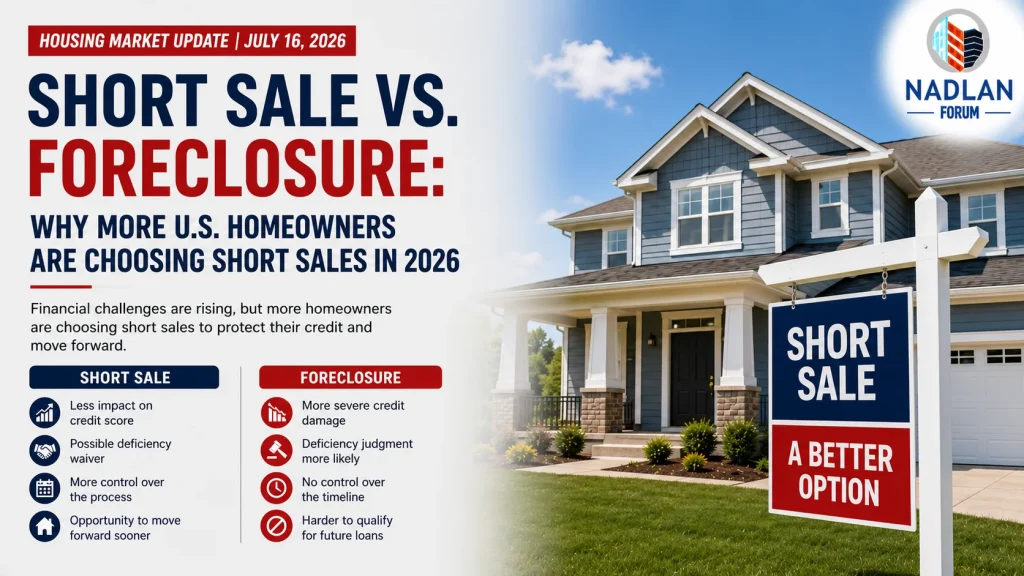
Although short sales still represent only a small portion of the U.S. housing market, they are becoming more common as some homeowners struggle with negative equity and higher housing costs. Rising mortgage rates, slower home price growth, increasing insurance premiums, and higher monthly expenses are pushing more financially stressed homeowners to consider alternatives before falling into foreclosure.
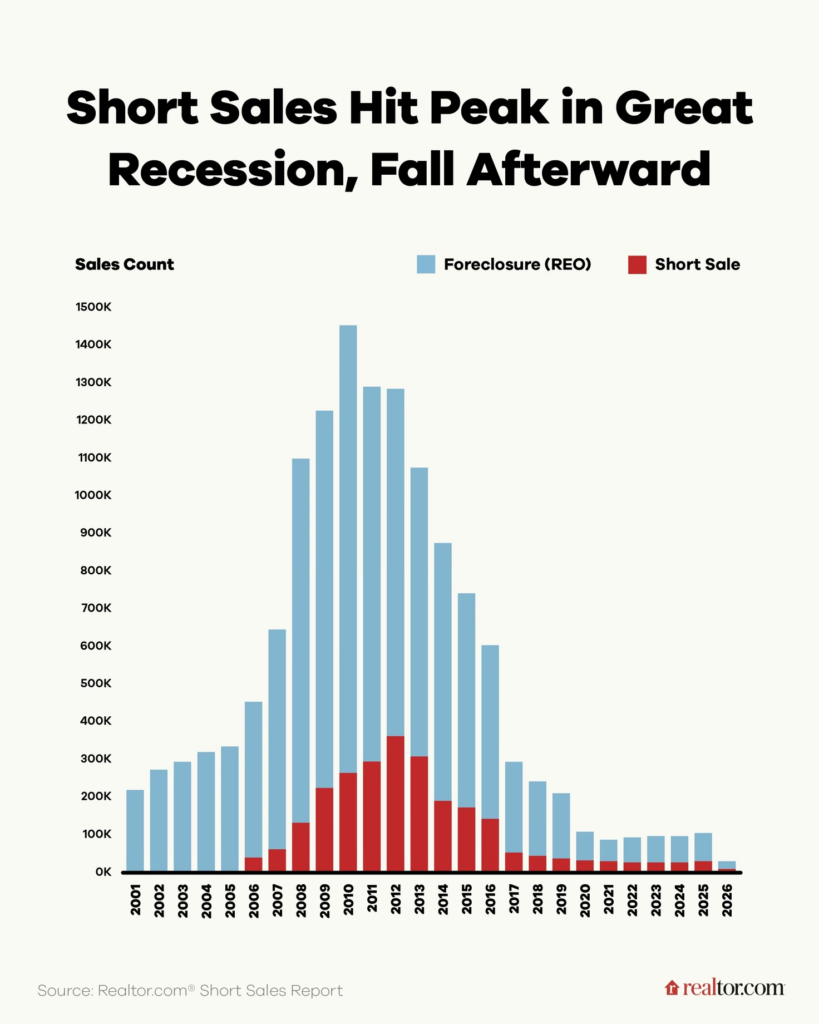
A recent housing market report shows that while foreclosure activity remains much higher than short sales, the number of homeowners choosing a short sale has steadily increased over the past few years. The trend remains well below the levels seen during the housing crash more than a decade ago, but market experts say it is worth watching as affordability pressures continue across many parts of the country.
What Is a Short Sale?
A short sale occurs when a homeowner sells a property for less than the remaining mortgage balance after receiving approval from the lender. Instead of forcing the property into foreclosure, the lender agrees to accept a lower payoff to recover part of the outstanding loan.
Unlike foreclosure, which is initiated by the lender after missed mortgage payments, a short sale is generally a voluntary decision made by the homeowner. Many borrowers view it as a way to reduce long-term financial damage while avoiding the legal process and additional costs associated with foreclosure.
Although lenders lose part of the loan balance in a short sale, the process is often less expensive than completing a foreclosure and maintaining an empty property before resale.

Short Sales Remain Rare but Are Increasing
Despite recent growth, short sales continue to represent only a small share of all home sales nationwide.
During 2025, approximately 30,000 short sales were completed across the United States. That represented roughly 0.6% of all conventional home sales and about 28% of distressed property transactions.
Those numbers remain dramatically below the aftermath of the Great Recession. At their peak in 2012, short sales accounted for nearly 9% of all U.S. home sales as millions of homeowners found themselves underwater on their mortgages.
As home prices recovered during the following decade, homeowners rebuilt equity, foreclosure rates declined, and short sales became much less common. Today, however, housing affordability challenges are beginning to push the trend upward again.
Activity Has Accelerated Since 2023
The pace of growth has become more noticeable over the past several years.
Short-sale transactions increased approximately 4% between 2023 and 2024, followed by a 10% increase during 2025. During the first quarter of 2026 alone, activity climbed another 16%, suggesting distressed sales are gradually becoming more common as pandemic-era mortgage assistance programs disappear.
Housing analysts note that many borrowers who received temporary payment relief during the pandemic have now exhausted those options. Combined with elevated interest rates and slower price appreciation, some owners no longer have enough equity to sell traditionally.
Markets Seeing the Most Short Sale Activity
While short sales remain uncommon nationally, several mid-sized housing markets stand out because of their unusually high concentration of distressed listings.
Top Markets by Share of Short Sales (May 2026)
- Lakeland, Florida — 6.7%
- Colorado Springs, Colorado — 5.8%
- Putnam, Connecticut — 5.6%
- Pueblo, Colorado — 5.2%
- Vallejo, California — 4.5%
These cities share several characteristics.
Most experienced rapid home price appreciation between 2020 and 2022, followed by cooling demand, growing inventory, and slower price growth. As values leveled off or declined, some homeowners who purchased near the market peak found themselves owing more than their homes were worth.
That combination creates the conditions where short sales become a practical option. For direct financing consultations or mortgage options for you visit 👉 Nadlan Capital Group.
