


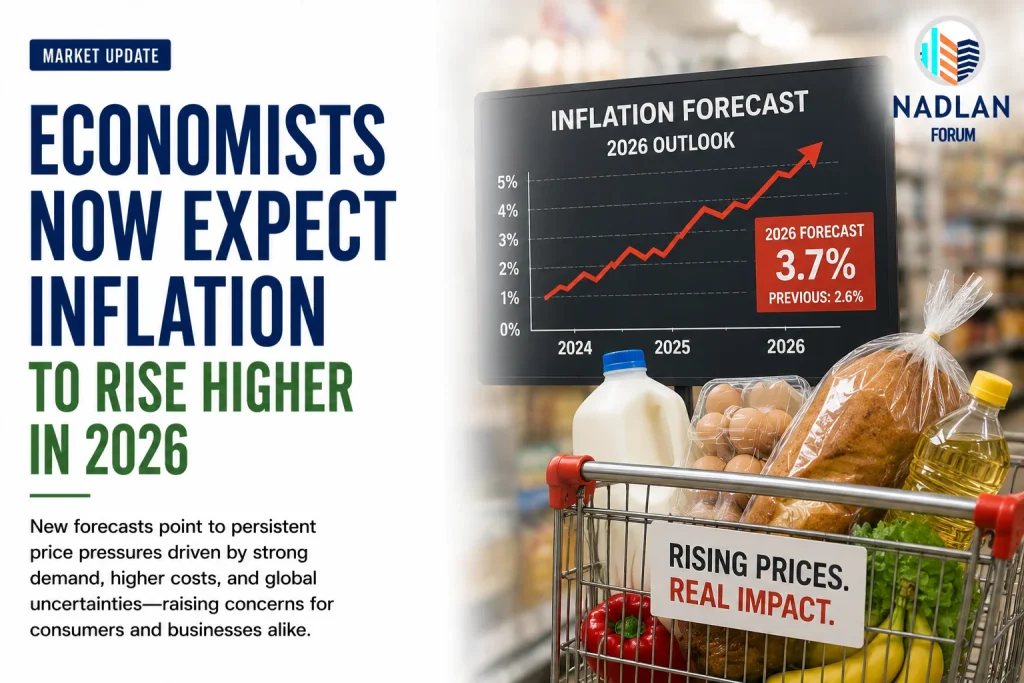
Inflation in the United States may become a bigger problem over the next several months, according to a new survey from leading economic forecasters.
The latest Survey of Professional Forecasters from the Federal Reserve Bank of Philadelphia shows that economists now expect consumer inflation to reach 6% during the second quarter of 2026. Just a few months ago, the same group projected inflation closer to 2.7%.
The sharp jump in expectations reflects growing concern that higher prices are spreading across the economy faster than many analysts previously expected.
Energy Prices Continue Driving Inflation
One of the biggest reasons behind the rising inflation outlook is the sharp increase in energy prices since the Iran conflict intensified earlier this year.
Oil prices and gasoline costs have climbed quickly, increasing transportation and production expenses across many industries.
Higher fuel prices are now affecting:
- Grocery costs
- Shipping expenses
- Airline tickets
- Manufacturing prices
- Retail products
- Utility bills
Economists say the impact is no longer limited to energy markets alone. Rising costs are now spreading into everyday consumer spending categories.
Inflation Data Has Been Moving Higher
Recent government reports already show inflation accelerating faster than expected.
The Consumer Price Index (CPI), which measures the cost of everyday goods and services, recently climbed to 3.8% annually. That marked the highest inflation reading in nearly three years.
At the same time, wholesale inflation also surged. The Producer Price Index (PPI) jumped 6% year over year in April, reaching its highest level since late 2022.
Higher wholesale prices often eventually lead to higher prices for consumers.
Core Inflation Remains a Problem
Even after removing food and energy prices, inflation remains above the Federal Reserve’s target.
Economists now expect:
- Full-year CPI inflation near 3.5%
- Core inflation around 2.9%
- Elevated inflation through the third quarter
- Slower progress toward the Fed’s 2% goal
The report suggests inflation may cool slightly later in the year, but most forecasters do not expect inflation to fully return to normal anytime soon.
Federal Reserve May Keep Rates Higher for Longer
The latest inflation outlook is making it harder for the Federal Reserve to justify lowering interest rates.
Earlier this year, many investors expected multiple rate cuts in 2026. However, stronger inflation data and a relatively stable labor market have changed those expectations.
Markets now believe the Fed is more likely to keep interest rates steady for an extended period.
Some traders are even starting to consider the possibility of another rate hike if inflation continues worsening during the summer months.
Mortgage Rates Could Stay Elevated
The housing market continues feeling pressure from higher borrowing costs.
Mortgage rates have remained above 6% throughout much of 2026 as investors react to inflation concerns and uncertainty around Federal Reserve policy.
Higher rates continue affecting:
- Home affordability
- Monthly mortgage payments
- Refinancing demand
- Homebuyer activity
- New home sales
Housing analysts say inflation remains one of the biggest reasons mortgage rates are not falling meaningfully this year.
Slower Economic Growth Ahead
While inflation expectations are rising, forecasts for economic growth are moving lower.
The survey now projects U.S. economic growth around 2.2% for 2026, with growth expected to slow further in 2027.
Economists say this creates a difficult situation because the economy is slowing while inflation remains elevated.
That combination can make policymaking more challenging for the Federal Reserve.
Labor Market Remains Relatively Stable
Despite concerns about inflation, the labor market has continued showing resilience.
Unemployment is expected to remain near 4.5% this year, only slightly above current levels.
Hiring has slowed compared to previous years, but layoffs remain relatively low overall.
This stability in employment reduces pressure on the Federal Reserve to cut rates quickly.
Consumers Continue Feeling Financial Pressure
Although inflation has slowed from pandemic-era peaks, many Americans still feel squeezed financially.
Consumers are continuing to deal with higher prices for:
- Food
- Gasoline
- Rent
- Insurance
- Healthcare
- Utilities
- Household goods
Many families remain focused on the total increase in prices over the past several years rather than the monthly inflation rate alone.
That ongoing cost pressure continues affecting consumer confidence across the country.
Grocery and Transportation Costs Are Rising Again
Food prices are also beginning to move higher as transportation and fuel costs increase.
According to recent data, grocery prices posted one of their largest monthly increases in several years during April.
Higher diesel and shipping expenses are making it more expensive for businesses to transport products nationwide.
That pressure is now showing up in supermarket prices and household budgets.
Inflation Expectations Matter to the Economy
Economists closely monitor inflation expectations because they can influence future economic behavior.
If consumers and businesses believe prices will continue rising, companies may raise prices more aggressively while workers demand higher wages.
That cycle can make inflation much more difficult to control over time.
Some analysts believe the recent rise in inflation expectations could become an additional challenge for the Federal Reserve later this year.
Housing and Consumer Spending Face More Uncertainty
Higher inflation and elevated borrowing costs may continue slowing parts of the economy, especially housing and consumer spending.
While the U.S. economy has remained relatively stable so far, many economists believe rising costs are beginning to put more pressure on households.
Consumers are still spending, but confidence levels remain weak as many Americans worry about:
- Inflation
- High interest rates
- Energy prices
- Housing affordability
- Economic uncertainty
Final Thoughts
The latest inflation forecasts suggest price pressures in the U.S. economy may remain a major concern throughout 2026.
Rising energy prices, transportation costs, and broader inflation trends are making it more difficult for the Federal Reserve to lower interest rates anytime soon.
While the labor market remains stable for now, consumers and businesses may continue facing higher costs in housing, groceries, transportation, and borrowing over the coming months. For direct financing consultations or mortgage options for you visit 👉 Nadlan Capital Group.
