
Consumer Sentiment Crisis: Why Americans Remain Worried About Inflation

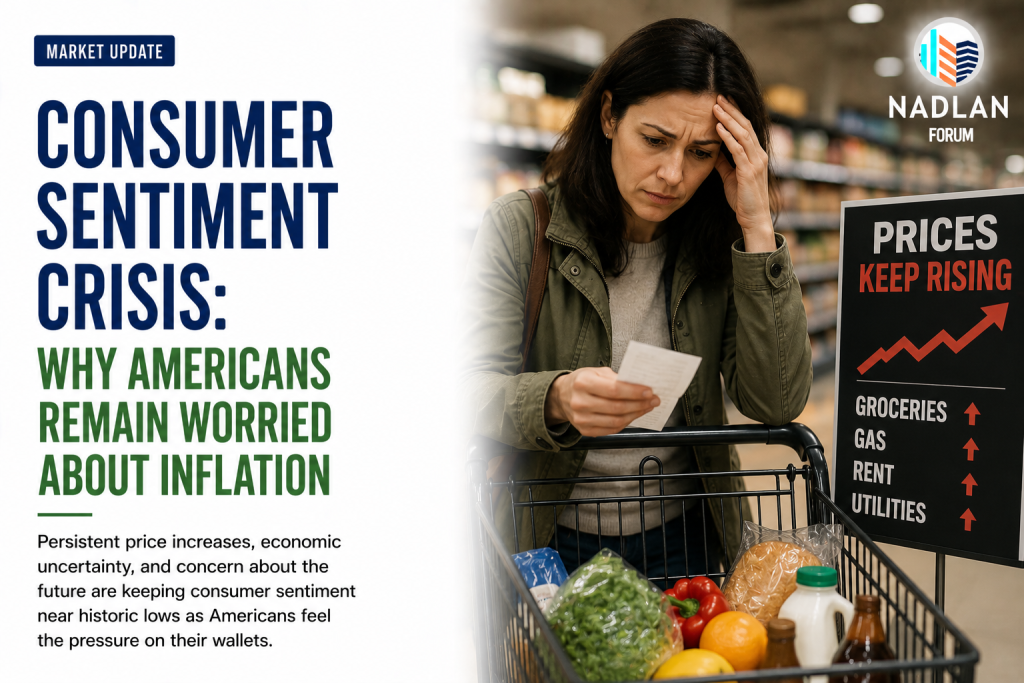
Consumer Sentiment Remains Near Record Lows
Even though the U.S. economy continues showing signs of resilience, many Americans still feel deeply negative about their financial situation and the broader economy.
Recent consumer sentiment surveys show confidence levels remain near historic lows despite stable employment and continued consumer spending.
Economists say years of inflation, repeated economic shocks, and rising living costs have changed how many households view the economy.
Inflation Continues Shaping Consumer Attitudes
One of the biggest reasons behind weak confidence is the lasting impact of inflation.
While inflation growth has slowed compared to the highs seen earlier in the decade, consumers are still dealing with much higher prices than they were before the pandemic.
Many households focus less on the annual inflation rate and more on the total increase in prices over several years.
Items such as:
- Groceries
- Gasoline
- Housing
- Insurance
- Utilities
remain significantly more expensive than they were just a few years ago.
Consumers Feel the Impact of Higher Living Costs
Economists note that inflation affects daily emotional and financial behavior more than many traditional economic indicators.
Even when wage growth improves, many consumers still feel financially strained because household expenses rose so quickly over a short period.
For many families, the issue is not whether inflation is slowing — it is whether prices are returning to affordable levels.
In most cases, prices remain elevated.
Years of Economic Shocks Have Created Fatigue
Analysts also believe consumer confidence remains weak because Americans have faced several major disruptions in a relatively short time period.
Over the last several years, households have dealt with:
- The pandemic
- High inflation
- Global conflicts
- Supply chain disruptions
- Rising interest rates
- Energy price spikes
- Tariff concerns
Economists say consumers have had little time to fully recover from one challenge before another emerged.
Gas Prices Continue Adding Pressure
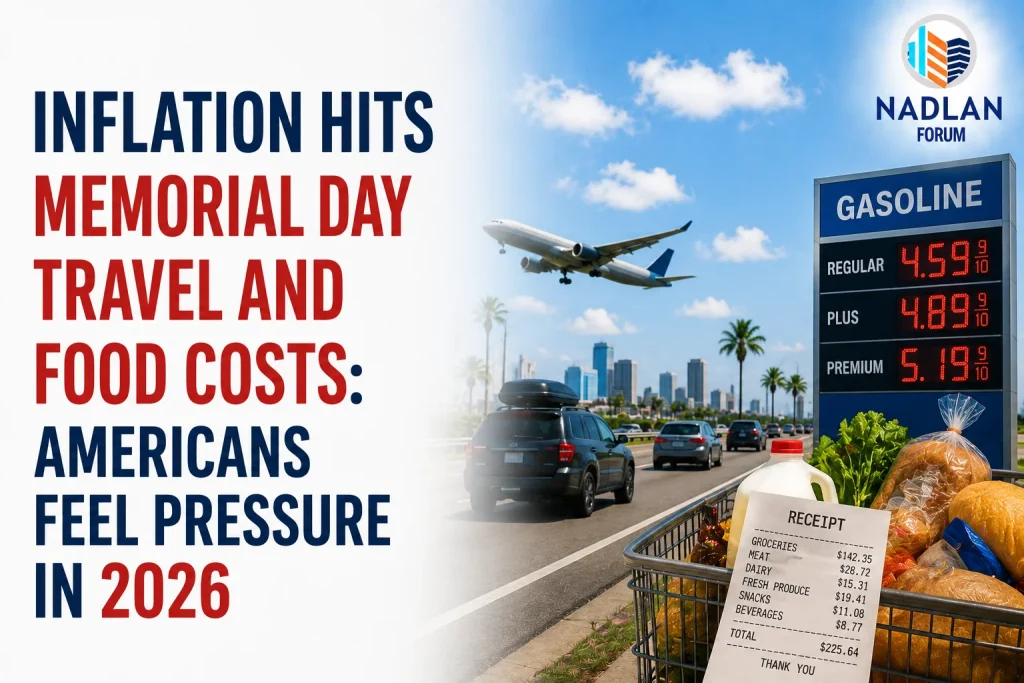
Higher fuel costs are once again becoming a major concern for households.
Oil prices have remained elevated due to geopolitical tensions and conflict in the Middle East, pushing gasoline prices above $4 per gallon nationally in many areas.
Higher gas prices affect consumers directly while also increasing transportation and shipping costs throughout the economy.
Businesses ranging from restaurants to retail stores continue warning that energy costs may pressure consumer spending.
Housing Costs Remain a Major Problem
Housing affordability also continues hurting confidence.
Higher mortgage rates and elevated home prices have made homeownership more difficult for many Americans.
At the same time, renters continue facing rising lease costs, insurance expenses, and utility bills.
Even though some housing markets are beginning to stabilize, affordability challenges remain widespread across much of the country.
Consumer Spending Has Stayed Surprisingly Strong
Despite negative sentiment, consumer spending has remained relatively resilient.
Large companies across multiple industries continue reporting stable or improving demand from customers.
Economists say this unusual disconnect between weak sentiment and continued spending has become one of the defining economic trends of the post-pandemic period.
Historically, lower confidence often led to weaker spending, but that relationship appears less predictable today.
Stock Market and Consumer Mood Moving Separately
Another unusual trend is the growing disconnect between financial markets and public sentiment.
The S&P 500 has continued reaching strong levels while consumer confidence surveys remain weak.
This reflects how many Americans feel disconnected from broader market performance, especially if rising asset prices do not improve their personal financial situation.
Labor Market Still Supporting the Economy
The labor market continues helping support overall economic stability.
Job growth has slowed compared to earlier years, but unemployment remains relatively stable.
Economists describe the current labor environment as “low-hire, low-fire,” meaning companies are hiring cautiously while also avoiding large layoffs.
As long as employment remains stable, many analysts believe consumer spending may continue holding up despite weaker confidence.
Inflation Expectations Still Matter
The biggest risk for policymakers is that consumers begin expecting permanently higher inflation.
If households and businesses assume prices will continue rising rapidly, inflation pressures can become harder to control.
That is one reason the Federal Reserve continues closely monitoring inflation expectations alongside employment and spending data.
What Could Improve Consumer Confidence?
Economists say confidence may improve if Americans experience several quarters of:
- Stable inflation
- Lower gas prices
- Strong employment
- Reduced geopolitical uncertainty
- More predictable economic conditions
However, ongoing inflation concerns and global uncertainty continue delaying that recovery.
Final Thoughts
Consumer confidence in 2026 remains weak even though the broader U.S. economy continues showing resilience.
Years of inflation, rising living costs, and repeated economic disruptions have left many Americans financially exhausted, and analysts believe rebuilding confidence may take much longer than expected. For direct financing consultations or mortgage options for you visit 👉 Nadlan Capital Group.























Responses