


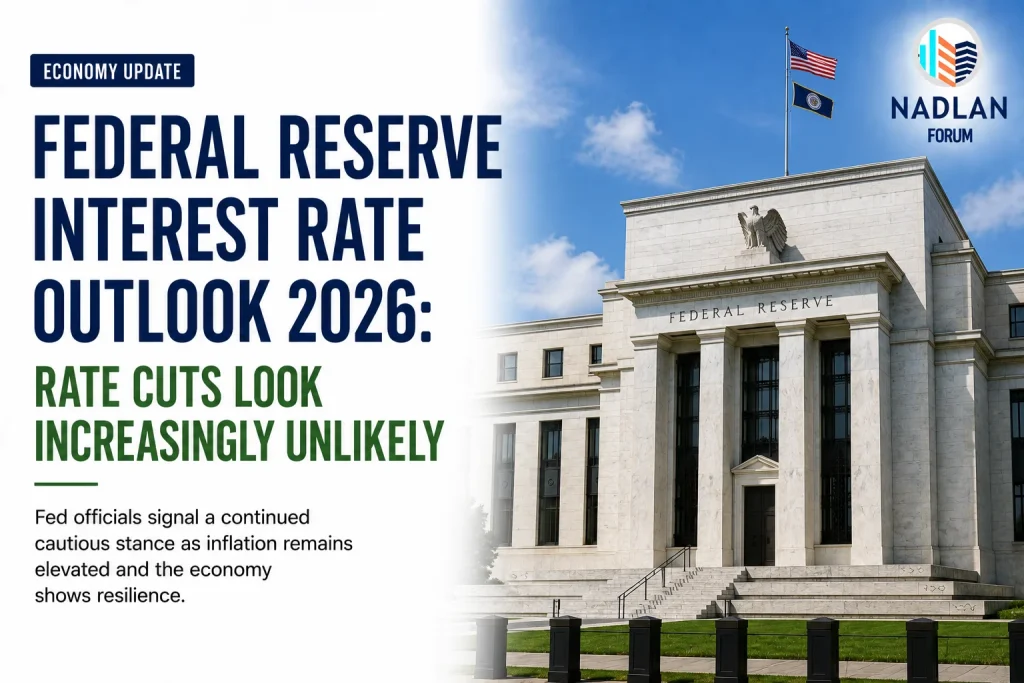
Fed Faces Fewer Reasons to Lower Rates
The Federal Reserve may be running out of reasons to lower interest rates anytime soon as the U.S. economy continues to show stable job growth while inflation remains above target.
Recent economic data has strengthened the argument for keeping rates steady for a longer period. While growth has slowed compared to previous years, the labor market is still holding up well enough to reduce pressure on policymakers to cut borrowing costs.
At the same time, inflation continues to create challenges for households and remains one of the Fed’s biggest concerns.
Jobs Market Remains Stable
The latest labor report showed the U.S. economy added 115,000 jobs in April. Although this number was lower than March’s stronger pace, it still came in above expectations.
The unemployment rate also remained unchanged at 4.3%, suggesting the labor market has reached a more stable phase where moderate hiring is enough to maintain current employment levels.
For the Fed, this reduces the urgency to stimulate the economy with lower interest rates.
Inflation Still Above Target
While the labor market appears relatively steady, inflation continues to stay well above the Fed’s long-term 2% target.
Recent consumer price data showed inflation running near 3.3%, with service costs remaining particularly strong. Policymakers are increasingly worried that inflation may remain persistent rather than moving steadily lower.
Some Fed officials have warned that inflation pressures are no longer limited to energy prices or tariffs. Instead, price increases are spreading more broadly across the economy.
Fed Officials Shift Toward a More Hawkish Tone
Several central bank officials are now signaling support for a more cautious approach to future policy.
Rather than suggesting rate cuts are likely, some policymakers want the Fed to maintain flexibility and avoid giving markets the impression that easing is coming soon.
This shift became more visible during the most recent Federal Open Market Committee meeting, where several officials objected not to holding rates steady, but to language that implied future cuts were the most likely next move.
The growing focus now is on maintaining credibility in the fight against inflation.
Markets Expect Rates to Stay High
Financial markets have also adjusted expectations.
Investors are increasingly pricing in the possibility that interest rates may stay elevated for much longer than previously expected. Some market forecasts now show little expectation for rate cuts over the next several years unless economic conditions weaken significantly.
There is even growing discussion about the possibility of future rate increases if inflation fails to slow further.
Why the Fed Is Being Careful
The Fed faces a difficult balancing act.
Cutting rates too early could risk allowing inflation to rise again, which would make it even harder to control later. On the other hand, keeping rates high for too long could eventually slow economic growth too much.
For now, policymakers appear more concerned about inflation than labor market weakness.
This reflects a broader view that the economy remains resilient enough to handle current interest rate levels.
Incoming Leadership May Face Challenges
The interest rate outlook could become even more complicated as leadership changes approach at the central bank.
Former Fed Governor Kevin Warsh is expected to take a larger role in future monetary policy discussions. Warsh has previously expressed support for lower rates and alternative approaches to managing inflation.
However, lowering rates while inflation remains above 3% could face resistance from other members of the committee.
This may create more debate within the Fed over how policy should move forward.
Higher Rates Continue to Affect Consumers
Higher interest rates continue to impact many parts of the economy, including:
- Mortgage rates
- Credit card borrowing
- Auto loans
- Business financing
For consumers, borrowing remains more expensive compared to the low-rate environment seen during 2020 and 2021.
However, the Fed believes keeping inflation under control is necessary for long-term economic stability.
What This Means Going Forward
Current economic trends suggest the Fed is likely to maintain a wait-and-see approach for the foreseeable future.
As long as the labor market remains stable and inflation stays elevated, policymakers may feel comfortable holding interest rates steady.
Upcoming inflation reports and economic data will continue to play a major role in shaping future decisions.
Final Thoughts
The Federal Reserve interest rate outlook for 2026 is shifting toward a higher-for-longer strategy. Stable job growth and persistent inflation are giving policymakers fewer reasons to cut rates anytime soon.
For markets, businesses, and consumers, this means borrowing costs may remain elevated longer than many originally expected. For direct financing consultations or mortgage options for you visit 👉 Nadlan Capital Group.