


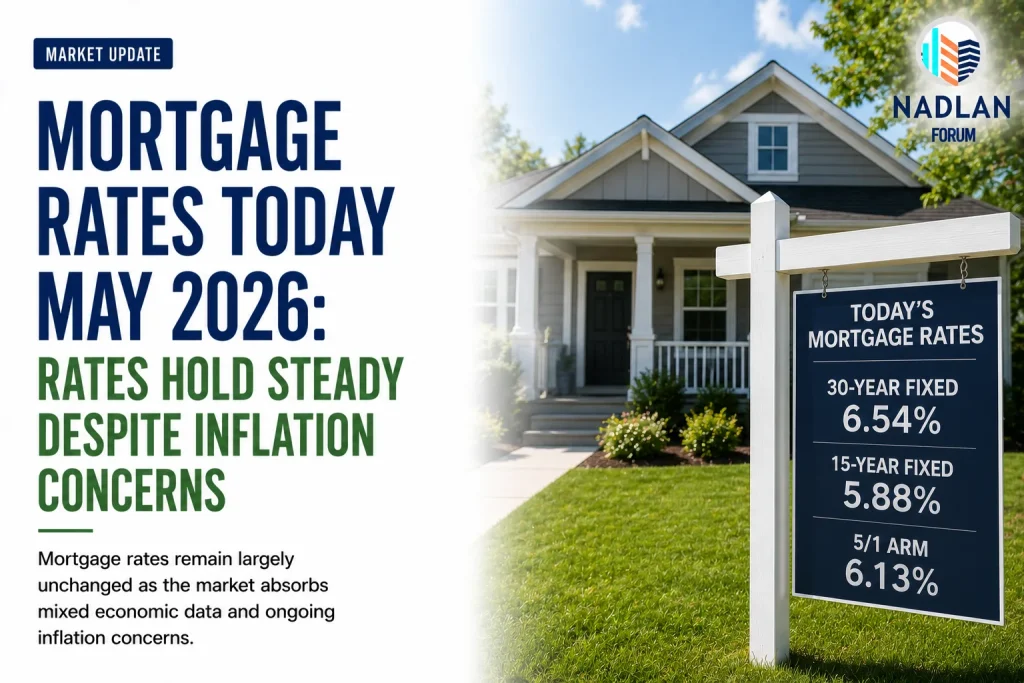
Mortgage Rates Show Limited Movement
Mortgage rates remained relatively stable this week despite new inflation data showing continued price pressure across the U.S. economy.
According to recent market data, the average 30-year fixed mortgage rate changed very little compared to the previous week, even as investors reduced expectations for future interest rate cuts from the Federal Reserve.
While some daily mortgage indexes moved higher following recent inflation reports, broader weekly averages showed only limited changes overall.
Current Mortgage Rates
National average mortgage rates currently include:
- 30-year fixed: 6.34%
- 20-year fixed: 6.19%
- 15-year fixed: 5.67%
- 5/1 ARM: 6.16%
- 7/1 ARM: 6.10%
- 30-year VA: 5.86%
- 15-year VA: 5.41%
Although rates remain elevated compared to pandemic-era lows, they are still below some of the peaks reached earlier this year.
Refinance Rates Remain Elevated
Refinance rates also stayed relatively stable but continued hovering at elevated levels.
Current refinance averages include:
- 30-year fixed refinance: 6.33%
- 20-year fixed refinance: 6.29%
- 15-year fixed refinance: 5.80%
- 5/1 ARM refinance: 6.20%
- 7/1 ARM refinance: 6.40%
Refinancing activity remains limited because many homeowners still hold mortgages with rates far below current market levels.
Inflation Continues Affecting Mortgage Markets
Mortgage markets remain highly sensitive to inflation reports and Federal Reserve expectations.
Recent inflation data showed consumer prices accelerating to approximately 3.8%, marking the highest inflation reading in several years.
The stronger-than-expected inflation report reduced investor expectations that the Fed will lower benchmark interest rates anytime soon.
Markets are now increasingly expecting rates to remain elevated through the rest of 2026.
Rate Cut Expectations Continue Falling
Financial markets now assign very low odds to Federal Reserve rate cuts later this year.
Some investors are even beginning to consider the possibility of future rate hikes if inflation pressures continue rising.
Although the Federal Reserve does not directly set mortgage rates, mortgage pricing is heavily influenced by:
- Treasury yields
- Inflation expectations
- Federal Reserve policy outlook
- Bond market conditions
As inflation concerns grow, mortgage borrowing costs often remain elevated.
Labor Market Stability Also Supporting Higher Rates
Recent employment reports showed the labor market continuing to stabilize.
Job growth remains slower than earlier years, but unemployment levels have stayed relatively steady.
This combination of stable employment and persistent inflation gives the Federal Reserve less urgency to lower interest rates quickly.
30-Year Mortgage Remains Most Common Option
The 30-year fixed-rate mortgage continues to be the most popular home loan product in the U.S. housing market.
Advantages of a 30-Year Mortgage
- Lower monthly payments
- Stable payment structure
- Long repayment timeline
- Predictable budgeting
Because repayment stretches over three decades, monthly payments remain more manageable for many households.
Drawbacks
The longer loan term results in significantly higher total interest costs over time.
Borrowers may ultimately pay hundreds of thousands of dollars in interest depending on loan size and rate levels.
15-Year Mortgages Offer Lower Long-Term Costs
Many financially stronger borrowers continue choosing 15-year fixed mortgages to reduce long-term interest expenses.
Benefits of 15-Year Loans
- Lower interest rates
- Faster loan payoff
- Lower lifetime borrowing costs
Challenges
Monthly payments are substantially higher because the loan balance must be repaid in half the time.
Adjustable-Rate Mortgages Still Carry Risk
Adjustable-rate mortgages, or ARMs, remain an option for some borrowers looking for lower initial payments.
With products like a 5/1 ARM:
- The interest rate remains fixed for five years
- The rate then adjusts annually afterward
ARMs may work well for buyers planning to move or refinance before the adjustment period begins.
However, borrowers still face the risk of higher payments if rates remain elevated in future years.
Housing Affordability Remains Challenging
Mortgage affordability remains one of the largest issues facing homebuyers in 2026.
Buyers continue dealing with:
- Elevated mortgage rates
- High home prices
- Insurance cost increases
- Property tax growth
- Limited inventory in some regions
Even small mortgage rate increases can significantly impact monthly payments and purchasing power.
Market Volatility Likely to Continue
Mortgage markets are expected to remain volatile as investors react to:
- Inflation data
- Federal Reserve statements
- Oil prices
- Economic growth reports
- Labor market trends
Borrowing costs may continue shifting quickly as economic conditions evolve.
What Buyers Should Watch Next
Future mortgage movements will likely depend heavily on whether inflation begins slowing later this year.
If inflation remains stubbornly high, rates could stay elevated or even move higher.
If inflation cools more consistently, mortgage rates may gradually stabilize or decline.
Final Thoughts
Mortgage rates in May 2026 remained mostly steady despite stronger inflation data and fading expectations for Federal Reserve rate cuts.
Although rates have not surged dramatically this week, affordability pressures continue weighing heavily on buyers and the broader housing market. For direct financing consultations or mortgage options for you visit 👉 Nadlan Capital Group.
