
Title Seasoning Trap


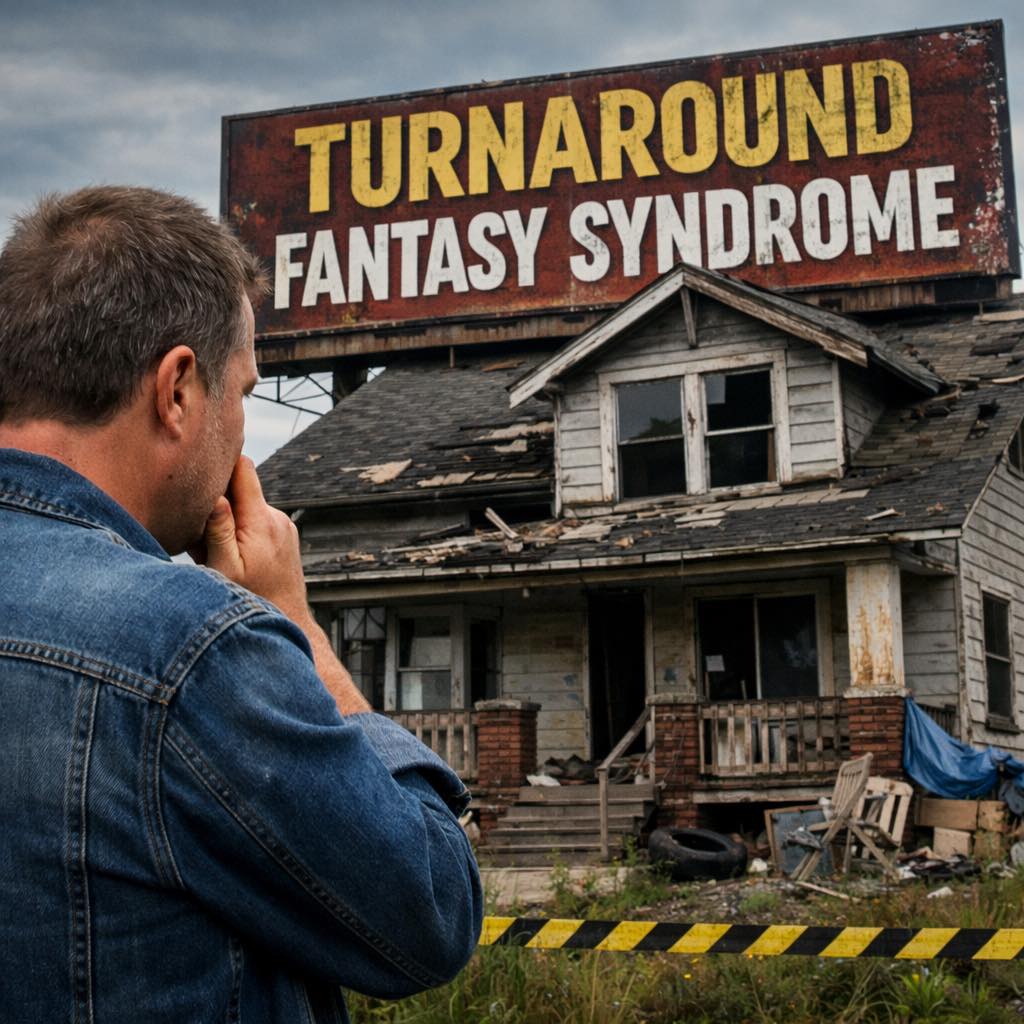
The deal looks perfect on paper… until time kills it
You find a property:
- Good price
- Clean renovation
- Solid returns
Then a buyer comes in, brings financing…
and the deal gets stuck.
Not because of the property—
because of time.
This is called the Title Seasoning Trap
The bank doesn’t just look at value.
It looks at ownership history.
If you bought a property two months ago and are trying to sell at a profit, many lenders see that as a red flag.
They want to see “seasoning” of the title—typically:
- 90 days
- 6 months
- Sometimes even longer
What does that mean in practice?
- You can be right on price—and still be unsellable to financed buyers
- Your buyer gets pre-approved… and then fails at underwriting
- The appraiser may need to justify a rapid price increase—and that doesn’t always pass
Here’s where the real problem begins
You’re no longer selling to the market.
You’re selling to a very small subset of buyers:
- Cash buyers
- Buyers with non-conventional financing
Without realizing it, you just cut your demand pool dramatically.
Now add time pressure
- Taxes
- Insurance
- Financing costs
- Maintenance
Every day that passes starts eating into the profit you saw on paper.
The psychological mistake
Investors price based on the future value they believe in.
The market prices based on who can actually buy today.
Those are two completely different things.
How do people fall into this?
- Buy below market
- Do a quick renovation
- Try to flip in 30–60 days
Without realizing they’ve blocked most of their buyers.
How do you handle it correctly?
- Check lender seasoning requirements in advance
- Plan an exit to cash buyers
- Build creative financing into the deal מראש
- Or price the deal to survive a longer hold period
Bottom line
A deal isn’t measured only by purchase price and sale price.
It’s measured by your ability to actually sell—on time.
If you didn’t check who your buyer is,
you may have bought right…
but you’re stuck holding the asset.
And this is exactly where many “great deals” quietly fall apart.




















Responses