
The real estate market is a dynamic entity, constantly shifting in response to economic changes, societal needs, and technological advancements. As we move through 2026, understanding the current real estate trends is essential for investors, developers, and those looking to enter the market. This article will explore key insights into emerging residential property trends, provide actionable investment strategies, and outline housing market predictions that will shape the future of real estate.
Understanding Current Real Estate Trends
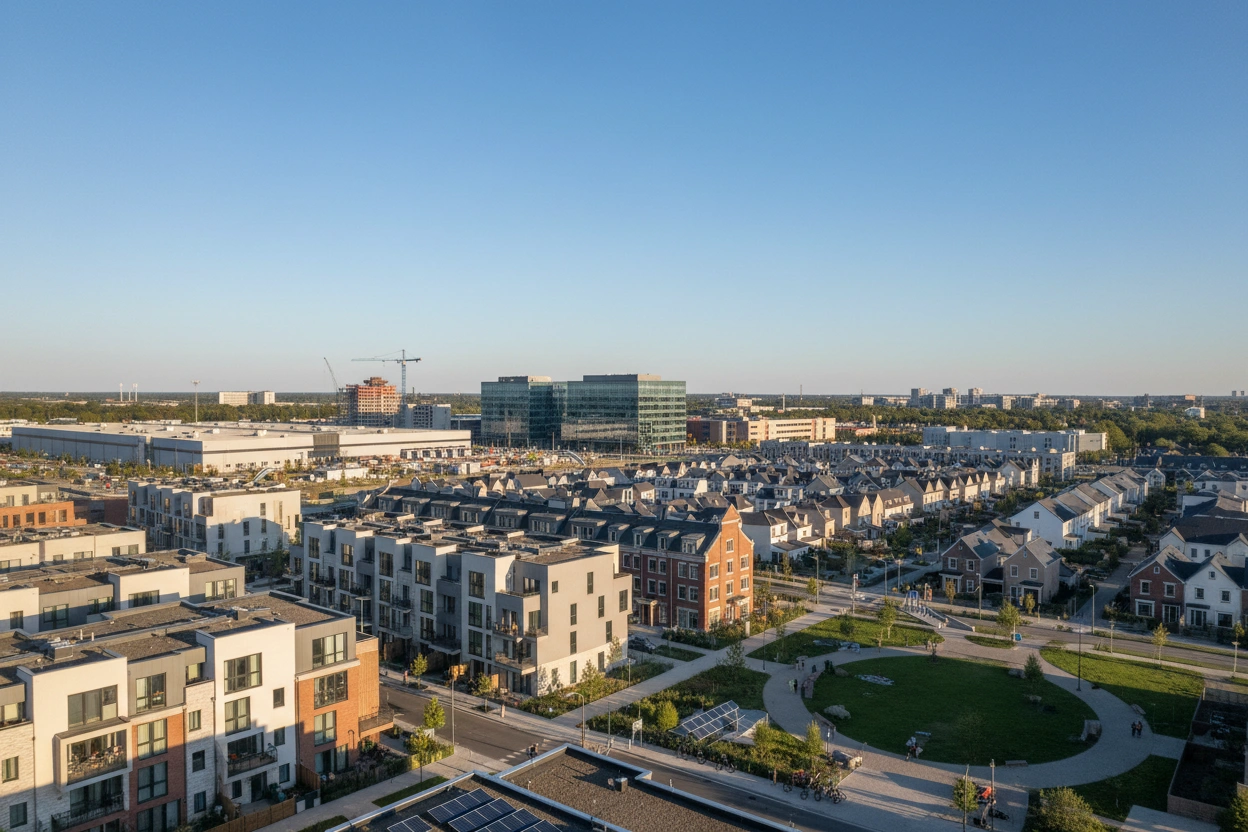
The landscape of real estate has transformed significantly over the past few years. Factors such as remote work, demographic shifts, and technological innovations have altered how people view housing and investment opportunities. As of 2026, several notable trends are shaping the residential property market.
The Shift Toward Suburban Living
As urban areas become increasingly crowded and expensive, many individuals and families are opting for suburban living. This trend has been accelerated by the rise of remote work, allowing people to live further away from their workplaces without the daily commute. Suburbs are not only more affordable but often offer larger living spaces and a better quality of life.
- Increased demand for single-family homes in suburban areas
- Growth in the development of mixed-use communities that combine residential, retail, and recreational spaces
- Greater emphasis on outdoor spaces, parks, and community amenities
Technological Integration in Real Estate
Technology continues to influence the real estate industry, enhancing how properties are bought, sold, and managed. From virtual tours to advanced property management software, technology is streamlining processes and improving user experiences. In 2026, we see an increased reliance on technology for:
- Virtual and augmented reality tools that enhance property viewing experiences
- AI-driven analytics to evaluate market trends and property values
- Smart home technologies that appeal to modern buyers and tenants
Sustainability and Eco-Friendly Developments
Sustainability is no longer a niche concern but a mainstream expectation among homebuyers and investors. Eco-friendly building practices and energy-efficient homes are becoming more popular, driven by both consumer demand and regulatory requirements. Key aspects include:
- Use of sustainable materials and construction methods
- Incorporation of renewable energy sources, such as solar panels
- Enhanced building codes focused on energy efficiency and environmental impact
Housing Market Predictions for 2026
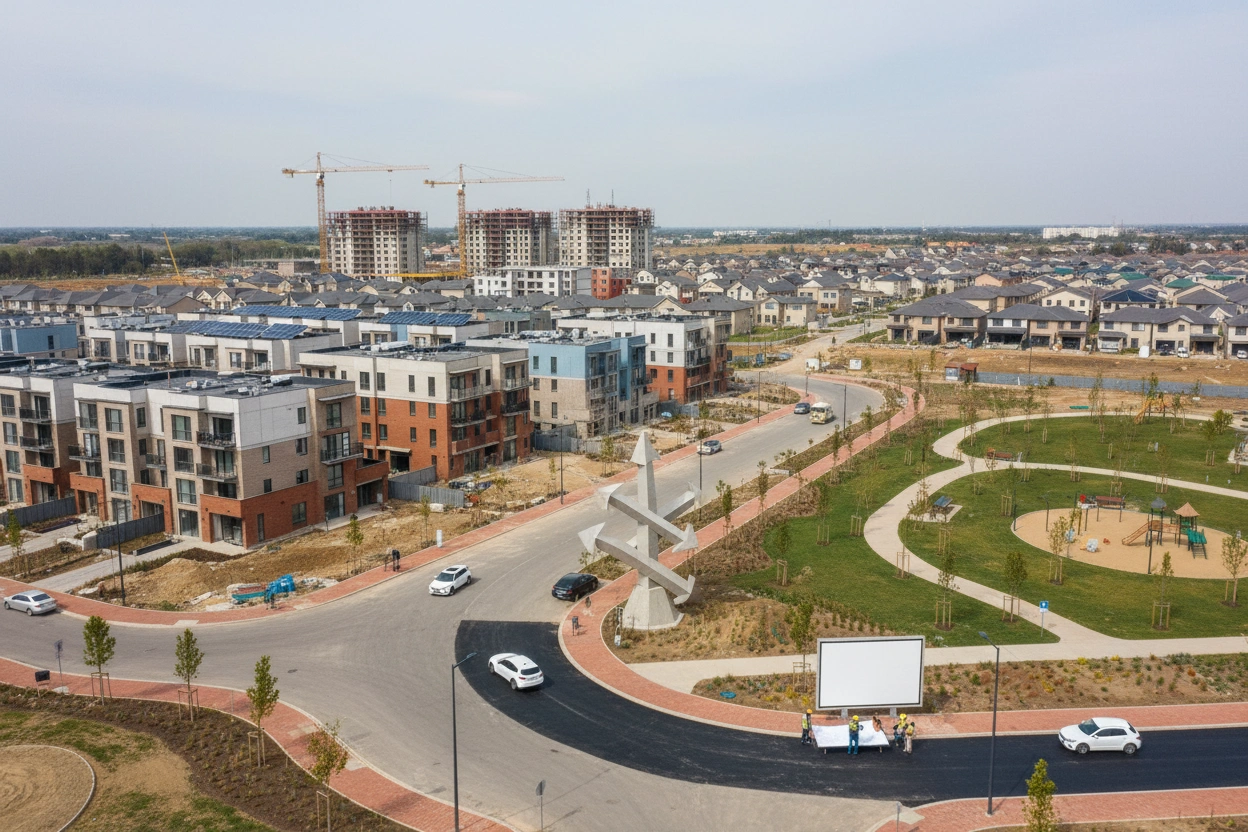
As we analyze the current landscape, several predictions can be made about the housing market for 2026. Understanding these predictions can help investors make informed decisions.
Continued Price Appreciation
Experts predict that home prices will continue to rise in many markets, driven by low inventory and high demand. While interest rates may fluctuate, the overall trend points toward sustained appreciation in property values, particularly in suburban and desirable urban areas.
- Properties in growing regions are expected to appreciate faster than those in stagnant markets
- Investors should focus on emerging neighborhoods with potential for growth
Increased Rental Demand
With many people unable to afford homeownership in high-demand areas, the rental market is expected to remain strong. This trend presents opportunities for investors to acquire rental properties and build portfolios.
- Growth in demand for affordable rental units, particularly in urban and suburban locations
- Investors should consider multi-family properties or single-family rentals to capitalize on this trend
Evolving Financing Options
Traditional financing methods are being challenged by alternative funding options, catering to a diverse range of borrowers. As the market evolves, investors should be aware of these options:
- Crowdfunding platforms that allow multiple investors to fund real estate projects
- Short-term loans for fix-and-flip investors looking for quick capital
- Innovative financing solutions for those with non-traditional income or credit challenges
Top Real Estate Investment Strategies for Novice Investors
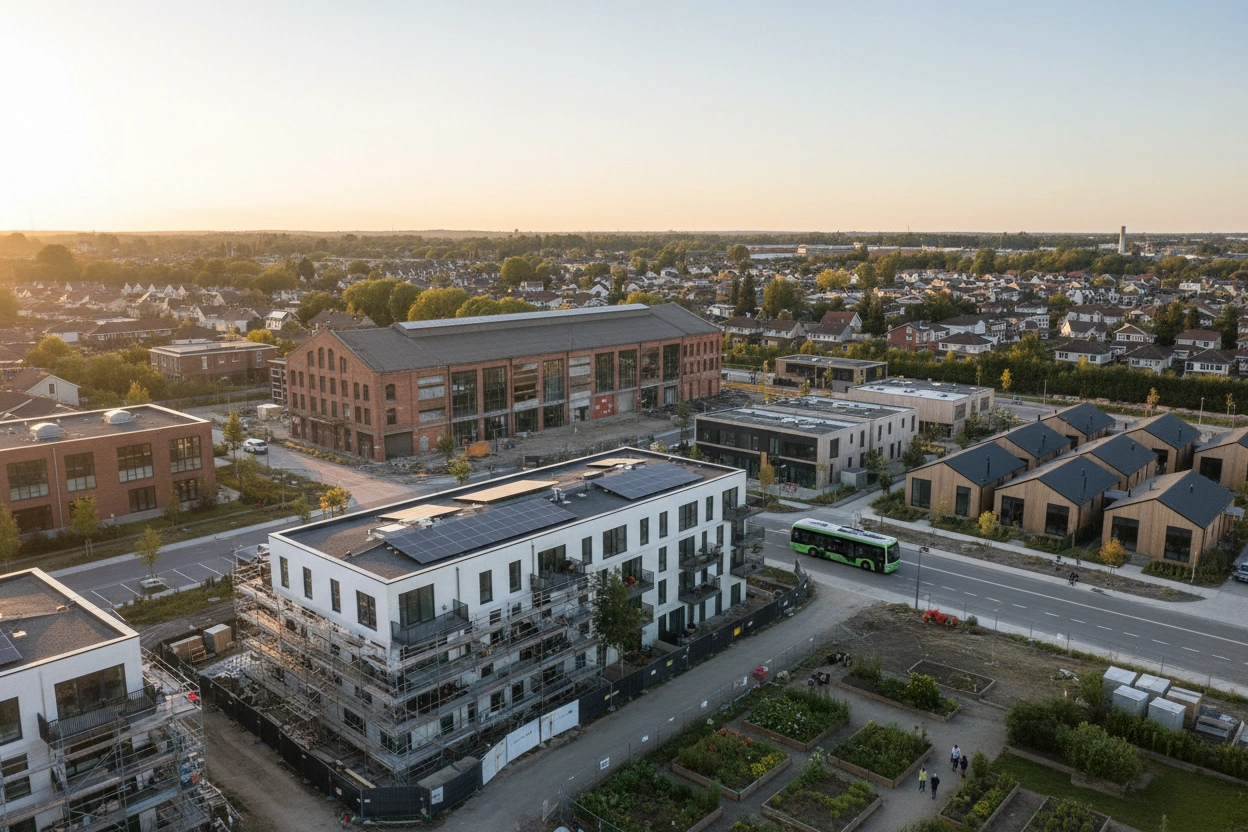
For those new to real estate investing, understanding effective strategies is vital to success. Here are several key approaches that can help novice investors navigate the market.
1. Focus on Cash Flow
Investors should prioritize properties that generate positive cash flow. This means ensuring that rental income exceeds expenses, including mortgage payments, property taxes, and maintenance costs.
- Analyze potential rental income versus expenses to determine profitability
- Consider markets with high rental demand to secure consistent cash flow
2. Leverage Financing Wisely
Understanding financing options is crucial for new investors. Utilizing leverage can amplify returns but also increases risk.
- Explore various financing options, including traditional mortgages, private loans, and partnerships
- Ensure a solid understanding of interest rates and loan terms to avoid financial pitfalls
3. Invest in Value-Add Properties
Identifying properties that require renovations can lead to significant returns. Value-add strategies involve purchasing underperforming properties and improving them to increase value.
- Look for properties that need cosmetic upgrades, such as kitchens and bathrooms
- Assess the local market to ensure that renovations will yield a return on investment
4. Build a Strong Network
Networking with other investors, real estate agents, and industry professionals can provide valuable insights and opportunities.
- Attend local real estate investment meetings or join online forums
- Collaborate with experienced investors to learn best practices and avoid common mistakes
5. Stay Informed on Market Trends
Keeping up with real estate trends is essential for making informed investment decisions.
- Subscribe to industry publications and follow market reports
- Utilize tools and resources that provide insights into local market conditions and forecasts
Common Mistakes to Avoid in Real Estate Investing
While real estate investing can be lucrative, many novice investors make mistakes that hinder their success. Here are common pitfalls and how to avoid them.
Underestimating Costs
Many new investors fail to accurately estimate all costs associated with property ownership.
- Consider all expenses, including maintenance, property management, and unexpected repairs
- Conduct thorough due diligence before purchasing to avoid surprises
Skipping the Research Phase
Investing without adequate research can lead to poor decisions.
- Analyze local market conditions, including supply and demand dynamics
- Understand the demographic trends affecting the area to make informed predictions
Overextending Financially
Taking on too much debt can be detrimental to an investor's financial health.
- Establish a budget and stick to it, ensuring that investments align with financial goals
- Avoid the temptation to over-leverage, which can lead to financial strain during downturns
The Future of Real Estate Trends
As we look ahead, the real estate market will continue to evolve in response to societal shifts, technological advancements, and economic changes. Investors must remain adaptable and informed to navigate these changes successfully.
Embracing Flexibility in Investment Strategies
The ability to pivot and adjust strategies in response to market conditions will be essential for success. Investors should remain open to new opportunities and be prepared to adapt to changing consumer preferences and economic factors.
Prioritizing Sustainability
With a growing emphasis on sustainability, investors should consider eco-friendly practices and properties that appeal to environmentally conscious buyers. This includes investing in energy-efficient homes and supporting sustainable development projects.
Leveraging Real Estate Trends with Nadlan Capital Group
Understanding real estate trends is integral to making informed investment decisions. As we have explored, the current landscape is shaped by suburban migration, technological advancements, and a focus on sustainability. Nadlan Capital Group stands ready to assist investors in navigating this evolving market.
For more information on how to apply these insights to your investment strategy, contact Nadlan Capital Group today. Our team is equipped to provide the resources and support you need to thrive in the current real estate environment.