
Trump Signals Sweeping Housing Changes in 2026 as Market Looks for Reset

After several years of high mortgage rates and fast-rising home prices, many Americans remain locked out of homeownership. But heading into 2026, economists see early signs that conditions could begin to shift. According to reporting from CNN, the housing market may be approaching a turning point, supported by higher incomes, easing price pressure, and a possible increase in available homes.
Some housing analysts are already labeling next year as a reset. Redfin has called 2026 “The Great Housing Reset,” while Compass describes it as the start of a “new era” after years of unusually low sales activity.
Home Sales Could Finally Move Higher
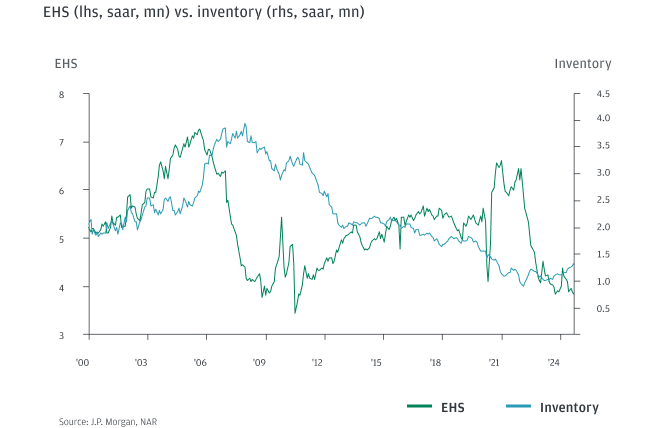
Home sales have stayed near historic lows, even as prices climbed. That unusual mix has defined much of the post-pandemic housing market. Mike Simonsen, chief economist at Compass, says that may change next year as more homes come onto the market.
“The market has felt stuck,” Simonsen said, noting that low inventory limited transactions even when buyers were interested. He expects 2026 to bring more balanced conditions, with enough listings nationwide to allow sales to rise modestly.
However, analysts caution that any improvement is likely to be gradual rather than dramatic.
Prices Likely to Stay Flat, Not Fall
Home values surged after 2020 as demand outpaced supply. Between early 2020 and the third quarter of 2025, prices rose nearly 55% nationwide, according to data cited by National Association of Home Builders.
While some states including Florida, Texas, and California saw prices slip from their peaks in 2025, economists do not expect a sharp nationwide decline. Simonsen forecasts home prices to rise about 0.5% in 2026, which would effectively mean flat pricing.
That stability could still feel like relief for buyers after years of rapid increases.
Inventory Depends on Sellers Adjusting to Higher Rates
One of the biggest hurdles remains homeowners who locked in mortgage rates near 3% during the pandemic. Many have delayed selling to avoid higher borrowing costs. As rates remain above 6%, more owners may decide that waiting no longer makes sense.
“As people accept that rates above 6% are the new normal, more listings should come to market,” Simonsen said. That shift could ease pressure on prices and give buyers more choices.
Mortgage Rates May Stay Above 6%, But Risks Remain
Mortgage rates fell during the second half of 2025. The average 30-year fixed rate recently hovered near 6.2%, down from close to 7% earlier in the year. Still, rates are expected to remain above 6% for much of 2026.
Changes in inflation or a weaker job market could alter that outlook. While mortgage rates do not directly follow the Federal Reserve, they closely track the 10-year Treasury yield, which reacts to Fed policy signals.
Confidence Will Shape Buyer Behavior
Jason Waugh, president of Coldwell Banker Affiliates, says consumer confidence will be critical. Buying a home is a long-term commitment, and job security matters.
“If people feel uncertain about their income, they’re more likely to pause,” Waugh said. “That hesitation can slow the market, even if prices and rates improve slightly.”
Rent Relief May Be Short-Lived
Renters saw some relief in 2025 as rent growth cooled. Data from Bank of America showed rents were flat year over year in October for the first time in more than three years.
That pause may not last. With many households still unable to buy, Redfin expects rental demand to remain strong. Rents could rise 2% to 3% annually by the end of 2026, especially as fewer new apartments come online.
Trump Promises Aggressive Housing Reform
President Donald Trump has signaled that housing affordability will be a major focus in 2026. Earlier this month, he said his administration plans to pursue the “most aggressive housing reform” in U.S. history, though few details have been released.
National Economic Council Director Kevin Hassett suggested reforms could center on reducing regulatory delays and encouraging states to make it easier to build new homes. Incentives for faster approvals and expanded construction are among the ideas being discussed.
A White House spokesperson later confirmed that boosting homeownership is a top priority for the administration’s affordability agenda.
Looking Ahead to 2026
While no single policy change is expected to fix housing affordability overnight, economists agree that more supply is the key long-term solution. If inventory rises, prices stabilize, and incomes continue to grow, 2026 could mark the start of a healthier, more balanced housing market.
For buyers and renters alike, the year ahead may not bring dramatic change but it could finally bring progress. For direct financing consultations or mortgage options for you visit 👉 Nadlan Capital Group.


















Responses