
Fractional Property Investment Guide: Your 2026 Success Roadmap


Imagine owning a piece of luxury real estate without needing a huge bank account or dealing with midnight repair calls. Fractional property investment is changing how people access wealth, making prime properties available to more investors than ever before.
This guide will break down fractional property investment, exploring its benefits, risks, and the step-by-step strategies you need to succeed in 2026. You will discover what this investment model involves, why it is gaining popularity, how to start, which platforms to trust, and what trends to watch.
Get ready for a clear, actionable roadmap to real estate success.
Understanding Fractional Property Investment
Imagine having the ability to invest in real estate without needing to buy an entire property or manage tenants yourself. That's the core idea behind fractional property investment. This approach allows multiple investors to pool resources and collectively own a share of high-value real estate. Unlike traditional real estate investment, where individuals purchase whole properties, fractional property investment uses technology and legal frameworks to divide ownership and streamline management. For example, real estate crowdfunding and REITs both offer access to property markets, but true fractional ownership lets investors directly hold a stake in specific assets. According to recent data, the global fractional property investment market is projected to reach $8.9 billion by 2026, reflecting surging demand and innovation. For more detailed statistics and future projections, see the Global Fractional Investing Market Growth report.

Definition and Core Concepts
Fractional property investment enables individuals to purchase a portion of a property, rather than the entire asset. This is achieved through platforms that handle legal structuring and facilitate shared ownership, making real estate more accessible. The key difference from traditional investment lies in ownership division and the use of digital platforms for transactions and management.
Technological advances have made it possible to track ownership, distribute income, and streamline reporting. Legal structures such as LLCs or trusts are often used to protect investor rights. Examples include real estate crowdfunding, which gathers many small investments, and REITs, which pool capital for larger projects. However, fractional ownership gives investors a direct share in specific properties, often with more transparency and control.
Recent industry reports indicate that the global fractional property investment market could reach $8.9 billion by 2026, underscoring its rapid growth and increasing investor interest.
Types of Fractional Property Investment Models
There are several models within fractional property investment, each offering unique features and benefits. The three primary types are direct ownership, managed platforms, and tokenized assets.
| Model | Minimum Investment | Liquidity | Example Platform |
|---|---|---|---|
| Direct Ownership | High | Low | Private syndicates |
| Managed Platforms | Low | Moderate | Lofty, RealtyMogul |
| Tokenized Assets | Very Low | High (varies) | Blockchain platforms |
Direct ownership typically requires larger capital and offers less liquidity, but provides more control. Managed platforms lower the entry barrier and handle property management, making them attractive for passive investors. Tokenized assets use blockchain to divide ownership into digital tokens, increasing flexibility and potential liquidity. Each model carries distinct pros and cons, so investors should assess their goals and risk tolerance before choosing.
Key Benefits for Investors
Fractional property investment offers several compelling benefits for modern investors. It significantly lowers the entry barrier, enabling participation with much smaller amounts of capital than traditional real estate. This approach promotes diversification, as investors can spread their funds across multiple properties and locations.
Another advantage is the potential for passive income, since most platforms manage tenants, maintenance, and distributions. Risk exposure is reduced, as losses on a single property have less overall impact. Importantly, fractional property investment gives access to premium real estate that might otherwise be out of reach.
Leading platforms have reported average annual returns of 7 to 12 percent, making this an attractive option for those seeking steady, long-term growth. These benefits are driving increased adoption among both new and seasoned investors.
Common Risks and Challenges
Despite its advantages, fractional property investment is not without risks. Illiquidity can be a challenge, as selling shares may take time depending on the platform. Market volatility and property underperformance can affect returns, while platform reliability is critical—shutdowns can disrupt investments.
Legal and regulatory issues also play a role, especially with evolving rules. For instance, some investors have experienced losses when platforms closed unexpectedly or properties failed to meet projections. Careful research and due diligence are essential to manage these challenges.
How Fractional Property Investment Works: Step-by-Step
Navigating fractional property investment can feel complex at first, but breaking the process into clear steps makes it accessible to investors of all backgrounds. Whether you are new to real estate or seeking to diversify, following a structured approach sets the foundation for successful investing in 2026.

Step 1: Research and Education
The first step in fractional property investment is building a solid knowledge base. Understanding market trends, platform mechanics, and legal considerations is essential to making informed decisions. Start by exploring reputable online courses, attending webinars, and engaging in investment communities focused on real estate.
Many investors begin their journey by learning from real-world success stories between 2024 and 2025. These stories highlight how individuals with limited capital accessed premium properties and earned steady returns. Key learning resources include:
- Real estate investment courses
- Industry podcasts
- Investor forums
By prioritizing research, you ensure that your approach to fractional property investment is both strategic and sustainable.
Step 2: Selecting the Right Platform
Choosing the right platform is critical in fractional property investment. Focus on factors such as reputation, fee structure, property types, and user experience. Compare features and user reviews to determine which platform aligns with your investment goals.
Consider the following when making your selection:
| Feature | Platform A | Platform B |
|---|---|---|
| Minimum Investment | $500 | $1,000 |
| Property Types | Residential, Commercial | Residential |
| Fees | 0.5% annual | 1% annual |
| User Rating | 4.8/5 | 4.5/5 |
For a comprehensive breakdown of leading platforms, including minimum investments and historical returns, explore the Top Fractional Real Estate Platforms 2026 guide.
Evaluating platforms thoroughly increases your chances of long-term success in fractional property investment.
Step 3: Evaluating Properties and Investment Terms
Once you have chosen a platform, the next step is to evaluate available properties and their investment terms. Important metrics include location, expected ROI, management structures, and projected cash flows.
Use a due diligence checklist to guide your review:
- Examine property location and market outlook
- Assess projected returns and risks
- Review management company experience
- Analyze exit strategies and liquidity options
For example, a sample property listing may detail neighborhood trends, forecasted income, and clear management responsibilities. This step ensures your fractional property investment aligns with your financial objectives.
Step 4: Making Your First Investment
With research and evaluation complete, you are ready to make your first fractional property investment. Begin by setting up your account on the selected platform. Fund your account according to the platform’s minimum requirements, which typically range from $500 to $1,000.
After funding, you will receive confirmation of your share allocation. The entire process, from deposit to ownership, can take as little as a few days, depending on the platform.
Step 5: Managing and Monitoring Investments
Effective management and regular monitoring are vital for ongoing success in fractional property investment. Platforms provide tools for tracking performance, receiving quarterly updates, and reviewing financial distributions.
Many offer user-friendly dashboards that display metrics such as occupancy rates, rental income, and asset appreciation. Establishing an exit strategy early helps you respond to changing market conditions and optimize your returns.
Fractional Property Investment Platforms: What to Look For
Choosing the right platform is essential for success in fractional property investment. With the market expanding rapidly, investors have more choices than ever before. Evaluating platforms thoroughly helps ensure your experience is secure, transparent, and profitable. Understanding what to look for will help you develop strong real estate investment strategies tailored to your goals.

Platform Security and Transparency
Security and transparency are critical when selecting a fractional property investment platform. Start by verifying regulatory compliance, such as SEC registration in the United States. Platforms that offer audited financial statements and clear reporting give you greater confidence in their operations.
Look for platforms that:
- Disclose legal ownership structures
- Provide regular performance updates
- Offer accessible documentation on property management
Comparing SEC-registered platforms to unregulated ones, regulated options generally offer more investor protections and accountability. Transparency ensures you understand where your money goes and how your investment is managed. Prioritizing these factors reduces risk in fractional property investment.
Fees, Returns, and Liquidity
Understanding the fee structure is essential for maximizing returns in fractional property investment. Common fees include management, transaction, and exit charges. Leading platforms publish historical return data, often showing 7 to 12 percent annual returns for stable properties.
| Platform | Management Fee | Transaction Fee | Avg. Annual Return | Liquidity Option |
|---|---|---|---|---|
| Platform A | 1% | $50 | 8% | Secondary marketplace |
| Platform B | 1.5% | $100 | 10% | Buyback program |
Liquidity varies, with some platforms offering secondary markets or scheduled buybacks. The average time to sell shares can range from weeks to several months, depending on demand. Evaluating these aspects ensures you select a fractional property investment platform that aligns with your financial needs.
User Experience and Support
A seamless user experience is vital when managing your fractional property investment portfolio. Top platforms prioritize intuitive navigation, mobile access, and responsive customer support. Investor education resources, such as webinars and tutorials, help users make informed decisions.
User testimonials and platform ratings can provide valuable insights into real-world experiences. Platforms that offer clear dashboards and regular updates simplify portfolio management, making it easier for investors to monitor returns and performance. These features can significantly impact your satisfaction with fractional property investment.
Community and Networking Opportunities
Strong investor communities enhance the value of fractional property investment platforms. Forums, webinars, and peer-to-peer support channels foster knowledge sharing and collaboration. Engaging with other investors can lead to new opportunities and deeper insights into market trends.
Participating in these communities helps you stay updated on platform changes and best practices. Networking with peers and industry experts is a key advantage, supporting your long-term success in fractional property investment.
Legal, Tax, and Regulatory Considerations
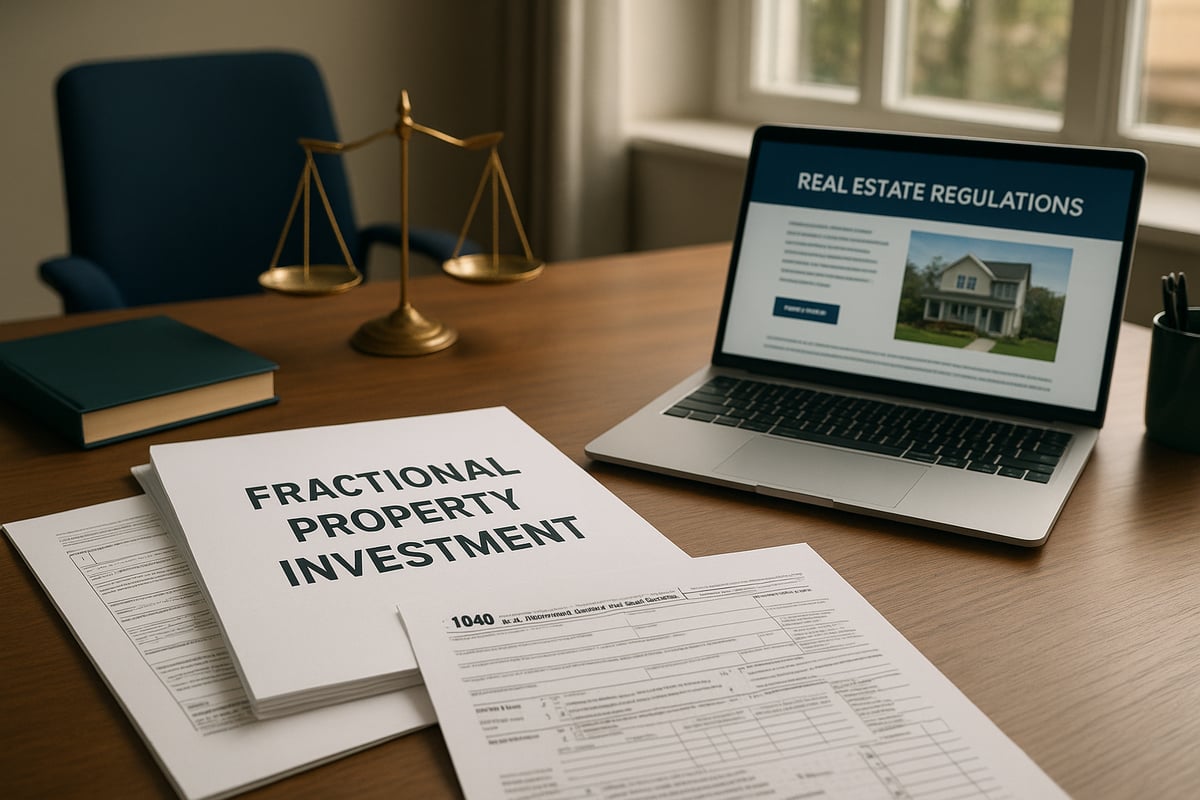
Navigating the legal, tax, and regulatory landscape is essential for any investor exploring fractional property investment. Understanding these factors can help protect your interests, optimize returns, and ensure compliance as this investment model expands globally.
Ownership Structures and Legal Protections
Fractional property investment relies on clear legal frameworks to safeguard investors. Most platforms use structures like LLCs, trusts, or tokenized assets to define ownership shares and responsibilities. Each model offers varying degrees of investor rights and liability protection. For example, an LLC typically shields investors from personal liability beyond their investment, while tokenized ownership leverages blockchain for transparent record-keeping.
| Structure | Investor Rights | Liability Protection |
|---|---|---|
| LLC | Voting, income | High |
| Trust | Beneficiary | Moderate |
| Tokenized | Digital shares | Varies |
Understanding how your fractional property investment is legally recorded is key to ensuring your rights are preserved and your risk exposure minimized.
Tax Implications for Investors
Taxes play a pivotal role in fractional property investment outcomes. Income from rental distributions, capital gains on share sales, and cross-border transactions each trigger unique tax obligations. U.S. investors must report earnings according to IRS rules, while international participants face additional layers of complexity.
For foreign investors, navigating banking logistics and tax reporting can be challenging. Resources like U.S. banking for foreign investors provide valuable insights for managing accounts and complying with regulations. Always consult a tax professional to optimize your strategy and remain compliant.
Regulatory Landscape in 2026
Fractional property investment is governed by evolving regulations. In the U.S., SEC guidelines set standards for investor accreditation, disclosure, and platform operations. Recent changes, such as the 2025 expansion of crowdfunding limits, have opened doors for more participants.
Globally, countries are adapting their frameworks to address digital ownership and investor protection. Staying informed about regulatory updates is crucial, as compliance ensures access to reputable platforms and mitigates risks in your fractional property investment journey.
Due Diligence and Risk Mitigation
Thorough due diligence is fundamental to reducing risk in fractional property investment. Review legal documents, verify platform credentials, and assess property management structures before committing funds. Engaging third-party advisors or legal counsel can offer additional safeguards.
Professional services like investment consultant services connect you with experts who can evaluate opportunities, review contracts, and guide you through the regulatory maze. By prioritizing diligence, you position yourself for long-term success.
Future Trends in Fractional Property Investment
As the real estate sector embraces innovation, fractional property investment is poised for significant transformation in 2026. Investors will see new opportunities and challenges, driven by technology, evolving market dynamics, and changing investor priorities.
Technology and Tokenization
Technology is rapidly reshaping the landscape of fractional property investment. Blockchain and smart contracts now enable the secure, transparent trading of tokenized property shares, reducing administrative friction and increasing investor confidence.
Platforms leveraging blockchain technology allow for instant settlements, immutable ownership records, and fractionalization of high-value assets. For example, several leading platforms now offer blockchain-based ownership, making real estate investing more accessible than ever. According to Real Estate Tokenization Trends, tokenized real estate is expected to play a strategic role in portfolio diversification through 2026.
As tokenization matures, expect more platforms to adopt these innovations, making fractional property investment even more flexible and secure.
Market Growth and New Opportunities
The global fractional property investment market is expanding beyond residential assets. Commercial real estate, vacation properties, and international opportunities are drawing investor attention. This sector is forecasted to reach $8.9 billion by 2026, with strong growth anticipated in regions like Asia-Pacific and Europe.
Key drivers include:
- Broader access to premium properties
- Lower minimum investments
- New investor demographics, including younger tech-savvy participants
For a detailed outlook on regional and sector-specific trends, see the U.S. Real Estate Market Outlook 2026. With new markets opening up, fractional property investment is set to become a truly global phenomenon.
Evolving Investor Preferences
Investor preferences are evolving in the fractional property investment space. There is a rising demand for sustainable and ESG-focused properties, as well as flexible investment options that allow for easy entry and exit.
Many platforms are now offering ESG-compliant fractional property investment opportunities, catering to investors who prioritize environmental and social impact. Additionally, features like secondary markets and automated reporting are becoming standard, enhancing the overall investor experience.
As preferences shift, platforms that align with these values and offer innovative features will stand out.
Potential Challenges and How to Prepare
While the outlook is optimistic, challenges remain for fractional property investment. Regulatory risks, market saturation, and rapid technology adoption can affect returns and platform stability.
To stay ahead, investors should:
- Monitor regulatory updates
- Diversify across property types and regions
- Evaluate platform reliability and security features
By remaining proactive and informed, investors can navigate the evolving landscape of fractional property investment with confidence.
Now that you understand how fractional property investment opens doors to U.S. real estate with less capital and risk, you might be thinking about your next step. Whether you’re ready to diversify your portfolio or start building wealth in prime markets, securing the right financing is key. At Nadlan Forum, we’re committed to providing the resources and guidance you need to succeed. If you want to take real action toward your 2026 investment goals, consider your financing options—especially if you’re an international investor. You can explore tailored solutions right here: Get a mortgage in the US today.






















Responses