
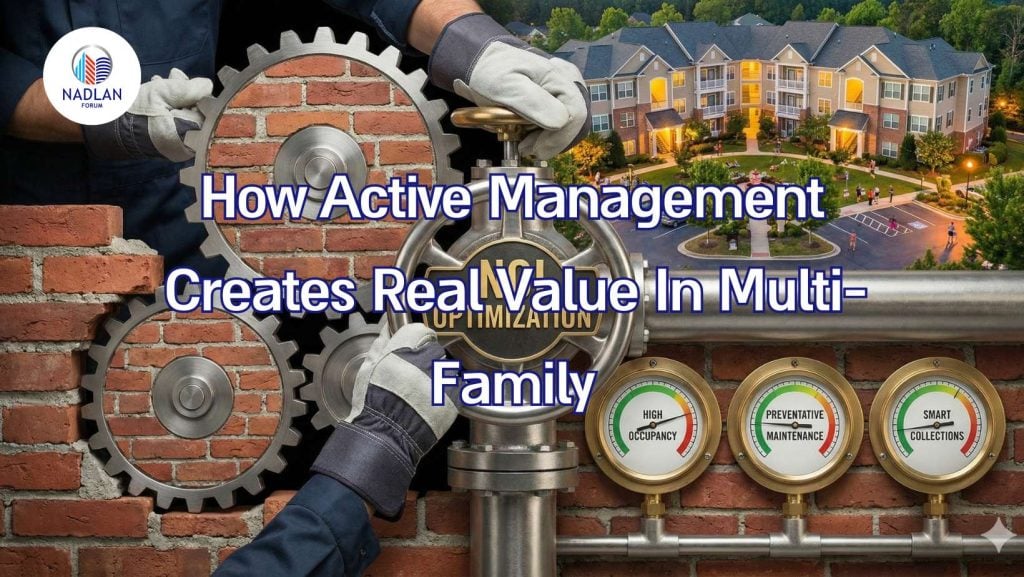
How Active Management Creates Real Value In Multi-Family

#EntrepreneurOfTheWeek – Omer Matityahu
#Post 5
One of the most common mistakes in income-producing real estate is assuming that value comes mainly from the market: price appreciation, interest rates, regional demand.
But in multifamily, most of the value is created by management, not macro conditions.
Two assets can look identical on paper—same street, same size, same purchase price—and yet one will produce stable returns for years while the other stagnates.
The difference is almost always management.
What Is “Active Management,” Really?
Active management doesn’t mean working harder.
It means working smarter.
It involves:
Daily involvement, not remote oversight
Operational decisions based on data
Continuous process improvement
Viewing the property as a business, not just a physical asset
Where Does Active Management Actually Create Value?
1. Rents: Not Just “How Much,” but How
Active management looks at:
Real-time gaps versus the market
Proper timing of rent increases
Smart lease structures
Managing long-term tenants vs. new tenants
Selecting new tenants with long-term stability in mind
An efficient, cost-effective team for maintenance and value-add work
Improvements tailored to the local tenant base and investment optimization
Sometimes a smart, consistent 3–5% rent increase, applied thoughtfully and not aggressively, is more valuable than a sharp increase that causes turnover.
2. Occupancy & Turnover: The Silent Enemy of Returns
A vacant unit is not just lost rent. It also means:
Lost time
Renovation costs
Brokerage fees
Operational friction
Active management invests in:
Tenant service
Fast response to issues
Clear communication
Building community stability
High occupancy over time creates stable NOI—and that’s the foundation of value creation.
3. Maintenance: Expense or Investment?
Passive management sees maintenance as a cost.
Active management sees it as an investment that reduces future expenses.
Preventive maintenance
Consistent standards
Reliable vendors
Fixing root causes, not just symptoms
The result: fewer emergencies, fewer unexpected costs, and an asset that holds its value over time.
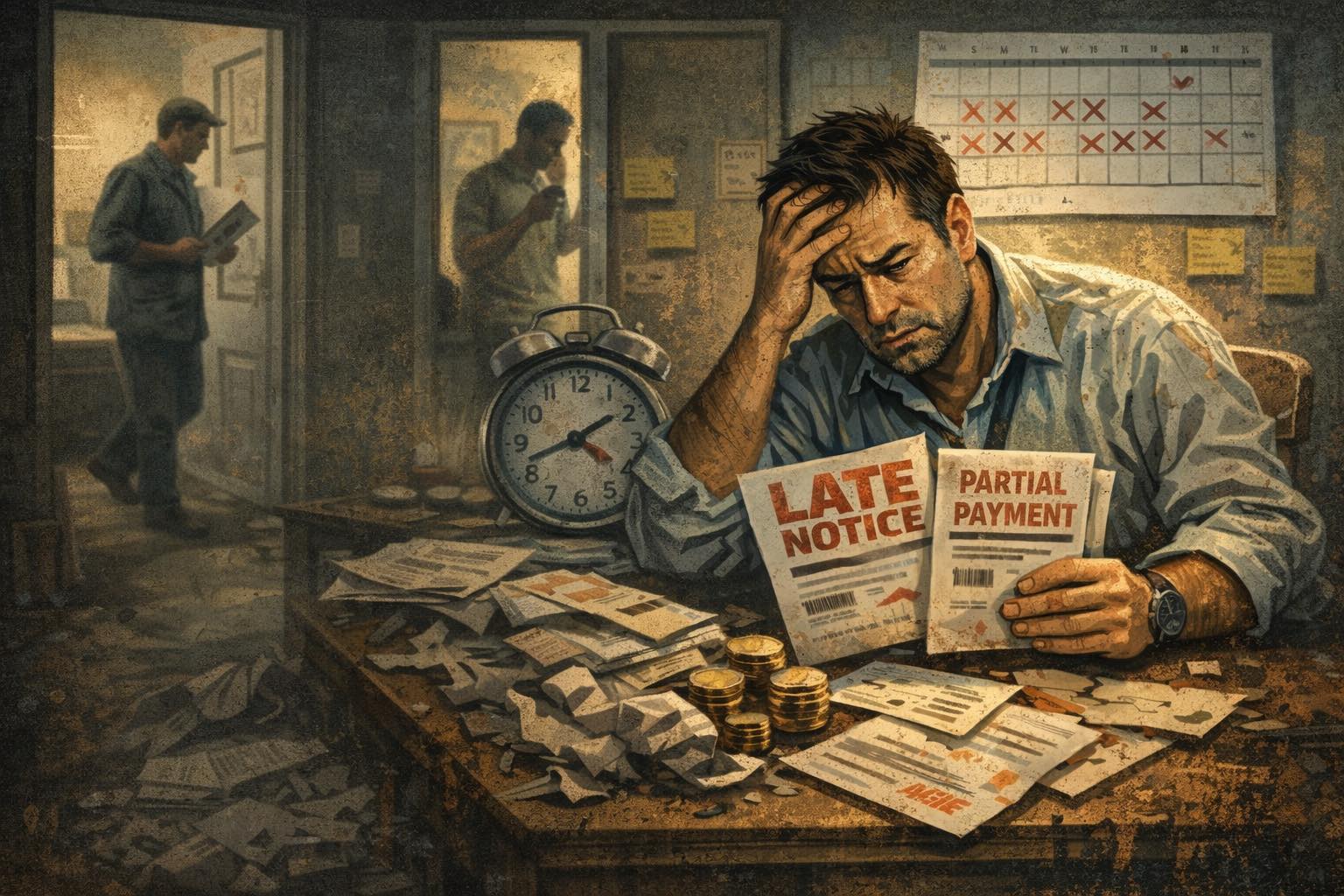
4. Operations & Collections: Where Money “Leaks”
Small gaps in collections quickly become big numbers.
Active management includes:
Organized collection and accounting systems
Ongoing oversight, monthly/quarterly closes, and budget-vs-actual analysis
Early intervention when issues arise
Clear processes for edge cases
5. Smart Value-Add: Not Just a Pretty Renovation
A good renovation is one that produces a return:
Units aligned with real demand
Upgrades that justify higher rents
Not “nice-to-have” expenses that don’t move the numbers
Active management knows the difference between what looks good and what actually improves performance.
6. Risk Management: The Profit You Don’t See
Active management isn’t measured only by what happens—but by what doesn’t happen:
Fewer lawsuits
Fewer regulatory violations
Fewer surprises
Fewer crises
Why Is This Especially Critical in Multifamily?
Because multifamily has:
Many tenants
Many decisions
Many potential points of failure
Passive management increases risk.
Active management creates control.
Active management isn’t a bonus—it’s the foundation of real value creation.
Those who manage multifamily like a business earn more, suffer less, and build assets that perform over the long term.
This is my final post for the week. I really enjoyed sharing, and I hope the posts created value for you as well.
Feel free to reach out privately with questions, consultations, or anything else. We’re also currently raising investors for a new project in Boston—happy to share details if relevant.



















Responses