
Top Real Estate Trends Influencing Commercial Properties in 2026


The commercial real estate sector is continuously evolving, shaped by various economic, technological, and social factors. As we progress through 2026, certain trends are emerging that are set to significantly impact investment strategies and market dynamics. Understanding these real estate trends is essential for investors, developers, and stakeholders aiming to make informed decisions and capitalize on opportunities.
In this article, we will explore the most influential real estate trends affecting commercial properties today, provide insights into market demand analysis, and offer top investment strategies for novice investors seeking to navigate this complex landscape.
The Rise of Remote Work and Its Impact on Office Spaces
[image:img_1770768566454_u8kopm9b1]
The shift towards remote work has fundamentally altered the office space market. Many companies are re-evaluating their need for traditional office environments, leading to a decline in demand for large corporate offices. Instead, there is an increasing preference for flexible workspaces that accommodate hybrid working models.
Flexible Office Spaces
Businesses are now prioritizing flexible office solutions, such as co-working spaces and serviced offices. These environments allow companies to scale their space according to their needs without committing to long-term leases. The demand for flexible workspaces has surged, with many landlords adapting their properties to meet this new requirement.
- Many companies are looking for spaces that can accommodate a mix of remote and in-office work.
- Landlords are investing in amenities that foster collaboration and enhance employee experience, such as coffee shops, fitness centers, and communal areas.
- The trend is projected to continue growing as remote work becomes a permanent fixture in many organizations.
Suburban Office Growth
The demand for suburban office spaces is on the rise, as companies are looking to establish locations closer to where their employees live. This trend is particularly prevalent in metropolitan areas where commuting times have become a significant concern.
- Companies are increasingly seeking properties that provide easy access to residential neighborhoods, reducing travel time for employees.
- Suburban offices often offer larger spaces at lower costs compared to urban centers, making them an attractive option for businesses aiming to cut expenses.
- This shift can lead to a revitalization of suburban areas, with increased investment in infrastructure and amenities.
Sustainability and Green Building Practices
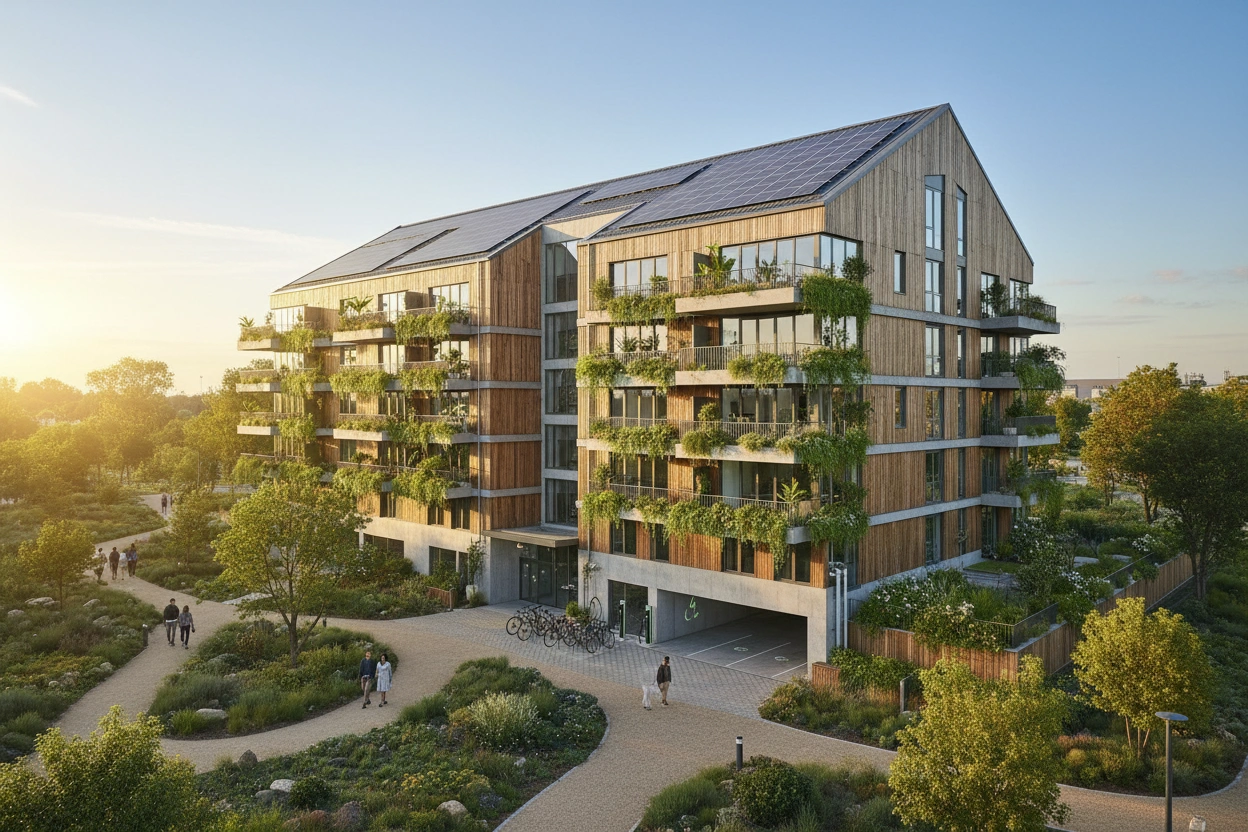
Sustainability has become a priority for many investors and developers in the commercial real estate sector. The growing emphasis on environmental responsibility is influencing property design, construction, and operation.
Energy Efficiency Standards
In 2026, energy efficiency is not just a trend; it is becoming a requirement for many commercial properties. Regulatory bodies are implementing stricter energy codes that mandate the use of sustainable materials and energy-efficient technologies.
- Properties that meet or exceed these standards are often more attractive to tenants and investors, leading to higher occupancy rates and rental income.
- Many companies are also looking to reduce their carbon footprint, making energy-efficient buildings a priority in their real estate strategies.
- Investors are increasingly considering the long-term cost savings associated with energy-efficient properties, which can lead to better returns on investment.
Green Certifications
The demand for buildings with green certifications, such as LEED (Leadership in Energy and Environmental Design), is rising. These certifications not only signify a commitment to sustainability but also enhance the marketability of a property.
- Tenants are more likely to choose buildings with green certifications, as they align with corporate sustainability goals and provide healthier work environments.
- Properties with green certifications typically see lower operational costs and improved asset value, making them appealing to investors.
- Developers are encouraged to pursue these certifications to differentiate their properties in a competitive market.
Technology Integration in Commercial Real Estate

Technological advancements are transforming the way commercial properties are managed, marketed, and utilized. The integration of technology is influencing everything from property management to tenant experiences.
Smart Buildings
The concept of smart buildings is gaining traction, where technology is used to enhance operational efficiency and tenant comfort. These buildings utilize Internet of Things (IoT) devices to monitor and manage various systems, such as lighting, heating, and security.
- Smart buildings can significantly reduce operating costs through automation and predictive maintenance.
- Tenants are increasingly attracted to properties that offer advanced technology features, such as smart access controls and energy management systems.
- The implementation of smart building technology can lead to improved tenant satisfaction and retention.
Virtual and Augmented Reality
Virtual and augmented reality (VR and AR) technologies are changing how properties are marketed and viewed. These technologies allow potential tenants and buyers to experience properties in immersive ways without being physically present.
- VR and AR can enhance property tours, making them more engaging and informative.
- These technologies can also streamline the leasing process by allowing prospective tenants to visualize spaces before making commitments.
- As these tools become more accessible, they are likely to become standard practice in the commercial real estate industry.
Market Demand Analysis for Commercial Properties
Understanding market demand is critical for making informed investment decisions in commercial real estate. Analyzing local and national trends provides insights into which sectors are poised for growth and which may face challenges.
Current Market Dynamics
As of 2026, the commercial real estate market is experiencing various dynamics influenced by economic conditions, consumer preferences, and technological advancements.
- Retail properties are facing challenges due to the rise of e-commerce, leading to increased vacancies in traditional retail spaces. However, properties that adapt to mixed-use developments are seeing success.
- The industrial sector continues to thrive, driven by e-commerce growth and the need for logistics and warehousing spaces. Investors are increasingly focusing on acquiring properties that serve this sector.
- Multifamily residential properties remain in high demand, particularly in urban areas where housing shortages persist.
Key Factors to Monitor
Investors should closely monitor several factors to gauge market demand effectively:
- Economic Indicators
- Interest rates
- Employment rates
- Consumer spending patterns
- Demographic Trends
- Population growth
- Urbanization rates
- Shifts in consumer preferences
- Technological Advancements
- Impact of automation on various sectors
- Adoption of remote work and its influence on office space demand
By staying informed about these key factors, investors can better position themselves to capitalize on emerging opportunities in the commercial real estate market.
Top Real Estate Investment Strategies for Novice Investors
For novice investors entering the commercial real estate market, understanding effective investment strategies is essential. Here are some key approaches to consider:
1. Focus on Cash Flow
Investors should prioritize properties that generate consistent cash flow. This involves analyzing potential rental income against operating expenses to ensure positive cash flow.
- Look for properties in high-demand locations with low vacancy rates.
- Consider properties that have the potential for rent increases or value-add opportunities.
2. Diversify Your Portfolio
Diversification is a crucial strategy for mitigating risk in real estate investments. By investing in different property types or geographic locations, investors can spread their risk and enhance overall returns.
- Consider a mix of asset classes, such as retail, industrial, and multifamily properties.
- Explore opportunities in emerging markets that may offer higher growth potential.
3. Leverage Financing Options
Understanding financing options can significantly impact investment success. Novice investors should explore various financing avenues to determine what works best for their investment strategy.
- Traditional bank loans may be challenging for some investors, so consider alternative financing solutions, such as private lenders or crowdfunding platforms.
- Evaluate the terms of different financing options and choose those that align with your investment goals.
4. Engage with Professionals
Building a network of professionals, including real estate agents, property managers, and financial advisors, can provide valuable insights and support.
- Professionals can help novice investors navigate the complexities of the commercial real estate market.
- Seek mentors who can offer guidance based on their experiences in the industry.
5. Conduct Thorough Research
Investors should conduct comprehensive research before making any investment decisions. This includes analyzing market trends, property values, and potential risks associated with each investment.
- Utilize market demand analysis tools to assess local conditions.
- Stay updated on industry news and trends to identify emerging opportunities.
Understanding the Future of Commercial Real Estate
The landscape of commercial real estate is continuously changing, shaped by various trends and factors. As we look towards the future, the ability to adapt to these changes will be essential for investors and developers alike.
Adapting to Changing Consumer Preferences
Consumer preferences are evolving, and commercial properties must adapt to meet these new demands. Whether it’s through offering flexible workspaces or incorporating sustainable practices, staying attuned to market needs will drive success.
Embracing Technological Advancements
Technology will play an increasingly vital role in shaping the future of commercial real estate. Investors should remain open to adopting new technologies that enhance property management and tenant experiences.
The Intersection of Real Estate Trends and Investment Opportunities
Understanding the current real estate trends is essential for navigating the commercial property landscape effectively. As trends continue to evolve, investors can leverage this knowledge to identify opportunities that align with their investment strategies.
Nadlan Capital Group is committed to helping investors navigate these trends and make informed decisions. Whether you are a novice investor or an experienced developer, our expertise can assist you in capitalizing on the opportunities presented by the changing market landscape. real estate investment journey, contact Nadlan Capital Group today.
By staying informed about these key factors, investors can better position themselves to capitalize on emerging opportunities in the commercial real estate market. investment strategies.





















Responses