
New Mortgage Relief Bill Offers Lifeline to Homeowners in Disaster Zones

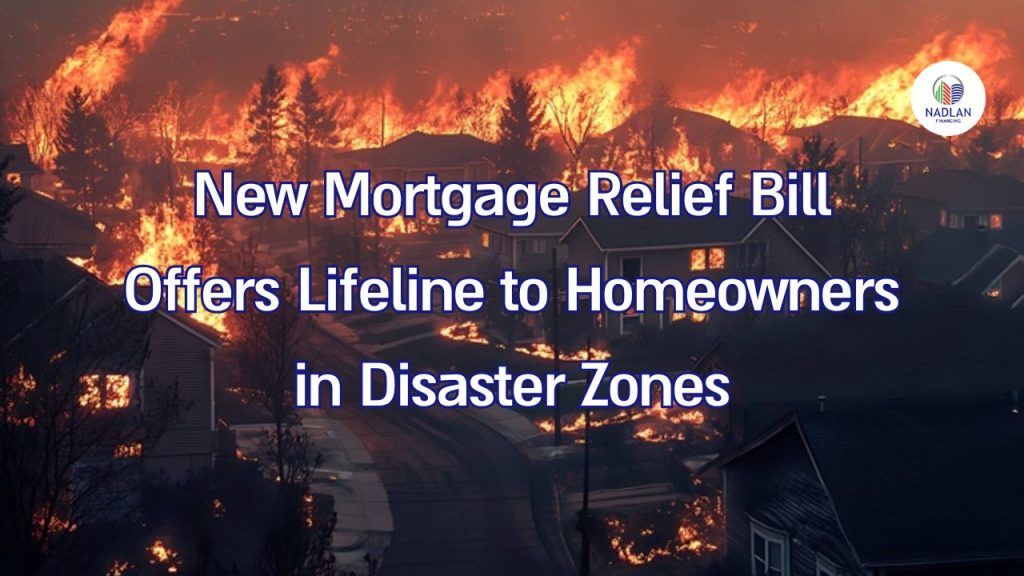
In a major push to provide financial stability for homeowners impacted by natural disasters, U.S. Senators Adam Schiff (D-CA) and Michael Bennet (D-CO) have introduced the Mortgage Relief for Disaster Survivors Act a bill aimed at granting critical breathing room for households recovering from federally, state, or tribally declared disaster events.
The legislation proposes an initial 180-day mortgage forbearance for affected borrowers, with an optional 180-day extension, all free from penalties, interest, or fees. This relief would be available to any homeowner residing in a disaster-declared area as of January 1, 2025, and applies regardless of whether the declaration comes from the President, state governors, or tribal authorities.
“Families across Los Angeles are still trying to pick up the pieces after this year’s wildfires,” said Senator Schiff. “This bill is designed to give them time and space to rebuild without the added pressure of looming mortgage payments.”
The Growing Financial Toll of Natural Disasters
The proposal comes on the heels of devastating wildfires that swept through Los Angeles County earlier this year. The Palisades Fire, which erupted on January 7, scorched over 23,000 acres, destroying more than 6,800 structures. Hours later, the Eaton Fire ignited nearby, burning another 14,000 acres and damaging 10,500 additional properties, according to Cal Fire.
Economists at the UCLA Anderson Forecast estimate the financial fallout from these fires ranges between $76 billion and $131 billion in total capital and property losses. Insured losses alone could hit $45 billion, and the fires have already shaved 0.48% off Los Angeles County’s GDP, translating to a $4.6 billion economic loss in 2025. The region also experienced a $297 million dip in total wages, severely affecting both small businesses and working families.
Building a Resilient Policy Infrastructure
This bill is the latest in a series of legislative efforts led by Senator Schiff to bolster disaster preparedness and recovery. Earlier this year, he co-sponsored the bipartisan FIREWALL Act, which promotes local resiliency through federal tax credits. He also introduced the INSURE Act in June 2025, which would create a federal catastrophic reinsurance program, designed to stabilize insurance markets and reduce premium spikes in high-risk states like California.
“Climate-driven disasters aren’t slowing down,” said Schiff. “We need to ensure homeowners have a path to financial recovery that keeps them in their homes and communities.”
Addressing the Home Insurance Crisis
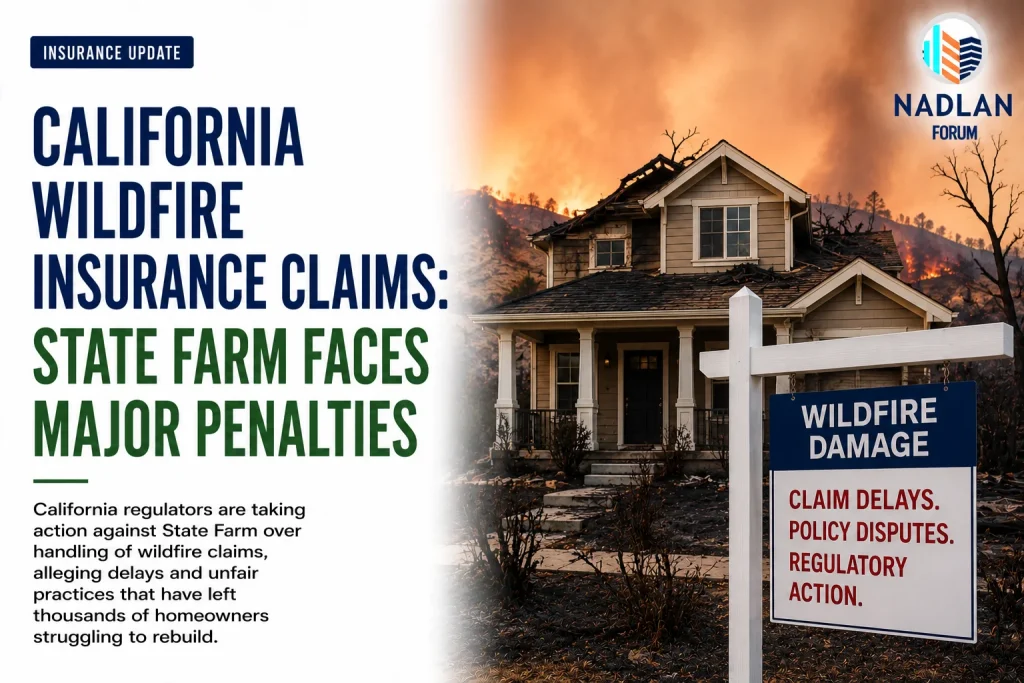
California’s housing and insurance sectors have been under immense strain. Several major insurance carriers including State Farm, Allstate, Nationwide, Chubb, and others have either exited the market, paused new home policy sales, or reduced coverage availability altogether. These decisions are largely in response to increasing wildfire risks, mounting replacement costs, and what insurers argue are outdated state-level price regulations.
As a result, many homeowners are struggling not only to rebuild but even to retain basic coverage on their properties.
Mortgage Forbearance: A Vital Safety Net
Housing advocates say this new legislation is essential for vulnerable populations. Alys Cohen, Director of Federal Housing Advocacy at the National Consumer Law Center, stressed the importance of immediate financial relief:
“After a disaster, survivors face skyrocketing expenses temporary relocation, job loss, medical bills. This bill gives them the time they need to get back on their feet.”
The Mortgage Relief for Disaster Survivors Act would work by pausing mortgage payments for half a year, with an option for an additional six-month extension. Crucially, these deferred payments would not accrue interest or late fees an element that distinguishes the bill from traditional forbearance programs.
Bipartisan Backing and a House Companion Bill
The Senate bill is accompanied by a House version (H.R. 2928), co-sponsored by Reps. Judy Chu (D-CA) and Brad Sherman (D-CA). That measure would specifically apply to federally backed mortgages in areas with a presidential disaster declaration. It mirrors the Senate’s timeline for forbearance and contains the same protections from penalties or interest accumulation.
“Disasters don’t just take homes they deepen economic inequality,” said Renee Willis, President and CEO of the National Low Income Housing Coalition. “This bill is a chance to prevent displacement and protect the most vulnerable homeowners from financial collapse.”
What’s Next?
As climate-related disasters continue to intensify, legislation like the Mortgage Relief for Disaster Survivors Act is likely to gain more traction. The bill’s broad applicability to red and blue states alike suggests it could receive bipartisan support in both chambers of Congress.
If passed, the legislation would serve as a cornerstone of post-disaster housing policy, giving families the ability to focus on recovery not foreclosure. For direct financing consultations or mortgage options for you visit 👉 Nadlan Capital Group.





















Responses