
Rising Home Equity Is Driving Up Entry Barriers in the Housing Market


As home values continue to climb, long-term homeowners are reaping substantial equity gains, but this shift is also presenting new challenges for potential buyers, especially those trying to enter the market. The combination of rising equity and a competitive housing environment is reshaping the way homeowners approach the market particularly when it comes to timing and strategy. Recent data and expert insights suggest that those hoping to sell or buy in the near future will need to plan more carefully than in previous years, especially given the increasing barriers to entry.
Equity Gains for Long-Time Homeowners
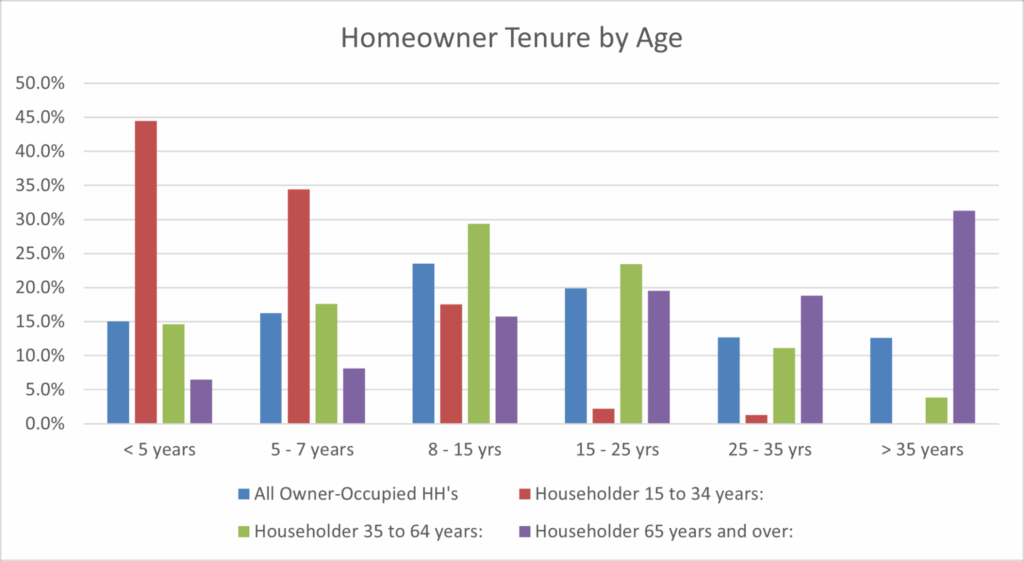
According to recent figures from Realtor.com, one in four homeowners have lived in their homes for over 25 years, and almost half (45.2%) have owned their properties for more than 15 years. Many of these homeowners are sitting on significant amounts of equity, thanks to the steady rise in home values over the past few decades.
For example, homes that were purchased in 2000 for an average of $145,000 have now appreciated to an average of $435,300 by June 2025. This represents a nearly tripling in home prices, providing long-term homeowners with an equity boost of hundreds of thousands of dollars.
This dramatic rise in home equity has created a strong financial position for many, but it also poses a challenge for first-time buyers, especially in the face of ongoing affordability issues and an anticipated 4 million homes shortfall in the market. These changes are driving long-term homeowners to rethink how and when to sell, with more emphasis on preparation and strategic planning than ever before.
Changing Market Dynamics and Seller Preparation
While home prices remain high, they have not been increasing as rapidly as in the previous few years, and homes are taking longer to sell. The shift in market dynamics means that sellers today must approach the market more thoughtfully. Danielle Hale, Chief Economist at Realtor.com, points out that “today’s housing market is very different from the one many long-time owners last sold in. Even though homes are taking longer to sell and buyers have more options than a few years ago, sellers who plan ahead and price strategically can still come away with meaningful financial gains.”
For homeowners who wish to take advantage of rising prices but avoid the pitfalls of market volatility, early planning is crucial. Starting the process well in advance of peak spring selling season can make the difference between success and missed opportunity. Sellers who begin preparing early have the advantage of selecting the right agent, addressing needed repairs, and positioning their homes effectively for maximum impact.
National Market Trends: Equity and Affordability
For those contemplating selling, it’s essential to understand the growing disparity between home equity and affordability. Homeowners who bought their homes in the mid-2000s have seen an average equity gain of 90%, which translates into a home value increase of more than $200,000. In contrast, prospective buyers now face the challenge of needing $200,000 more than they did just ten years ago to afford a median-priced home.
This disparity is compounded by a chronic housing shortage, with experts predicting a shortfall of about 4 million homes in the U.S. due to the lag in recovery following the 2006–2009 housing crisis. Despite the increase in available listings in recent months, affordability remains a significant barrier for many, particularly first-time buyers. Higher mortgage rates and the aftermath of the pandemic-era housing demand have made it even harder for many to access the market.
Seller’s Market: Navigating the Shifting Landscape
Although inventory levels are rising, the market remains more competitive for buyers than for sellers. Many properties are still being listed at prices higher than the median, and while sellers can still make a profit, the days of receiving multiple offers quickly are fading. In fact, 50% of sellers nationwide reported receiving fewer offers, and more homes are selling below asking prices in markets like Los Angeles and Washington, D.C. This trend highlights the shifting balance between supply and demand, particularly in areas where affordability is most constrained.
Even so, sellers are still in a relatively strong position compared to previous decades. The average sales time for homes in June 2025 was around 4.1 months, which, while an improvement from previous years, reflects an evolving dynamic that requires homeowners to stay ahead of the curve. Danielle Hale adds, “Unlike in recent years, when sellers could list quickly and attract multiple offers, today’s environment rewards preparation.” Sellers who are proactive and strategic whether it’s by interviewing multiple agents, addressing necessary repairs, or setting realistic expectations can maximize the return on their home.
The Importance of Working With a Real Estate Agent
A recurring theme in the current market is the growing importance of working with an experienced real estate agent. According to recent survey data, 36.1% of sellers reported that their agents provided better access to market data, and 37.1% said their agent’s guidance on pricing and timelines was critical to the success of the sale. Early engagement with an agent helps sellers avoid common pitfalls and enables them to tap into local market knowledge that can position their homes better within their target area.
Seller Regrets and the Need for Better Planning
Recent seller surveys indicate that 80% of sellers regret not acting sooner, particularly in terms of listing their homes earlier in the process. Among these regrets, the most common was failing to interview enough agents. This highlights the importance of early planning, which can prevent unnecessary delays and missed opportunities down the line. Sellers who wait too long or rush the process may not take full advantage of the market’s current dynamics.
Conclusion
In conclusion, while home equity gains continue to benefit long-time homeowners, the rising costs and competitive conditions in the housing market make it more important than ever for sellers to plan ahead. As home prices continue to increase in certain regions, sellers who take proactive steps by choosing the right agents, understanding market trends, and making necessary home improvements are in the best position to capitalize on their equity. For buyers, though, affordability remains a key concern, and the ongoing shortage of homes underscores the need for careful consideration before entering the market.
In this ever-evolving landscape, timing and preparation will be critical for both sellers and buyers to navigate the housing market successfully. For direct financing consultations or mortgage options for you visit 👉 Nadlan Capital Group.



























Responses