
What A Joyful Morning With The Return Of The Kidnapped!


Rani Tamari – #EntrepreneurOfTheWeek – Monday, Post 2
Hi friends,
This is Rani Tamari, and what a joyful morning with the return of the hostages!
In the previous post, I shared how I got exposed to the world of investments, my attraction to real estate, and financial freedom.
How do you make money while sleeping?
Answer: Leverage, inflation, rent, and the American mortgage.
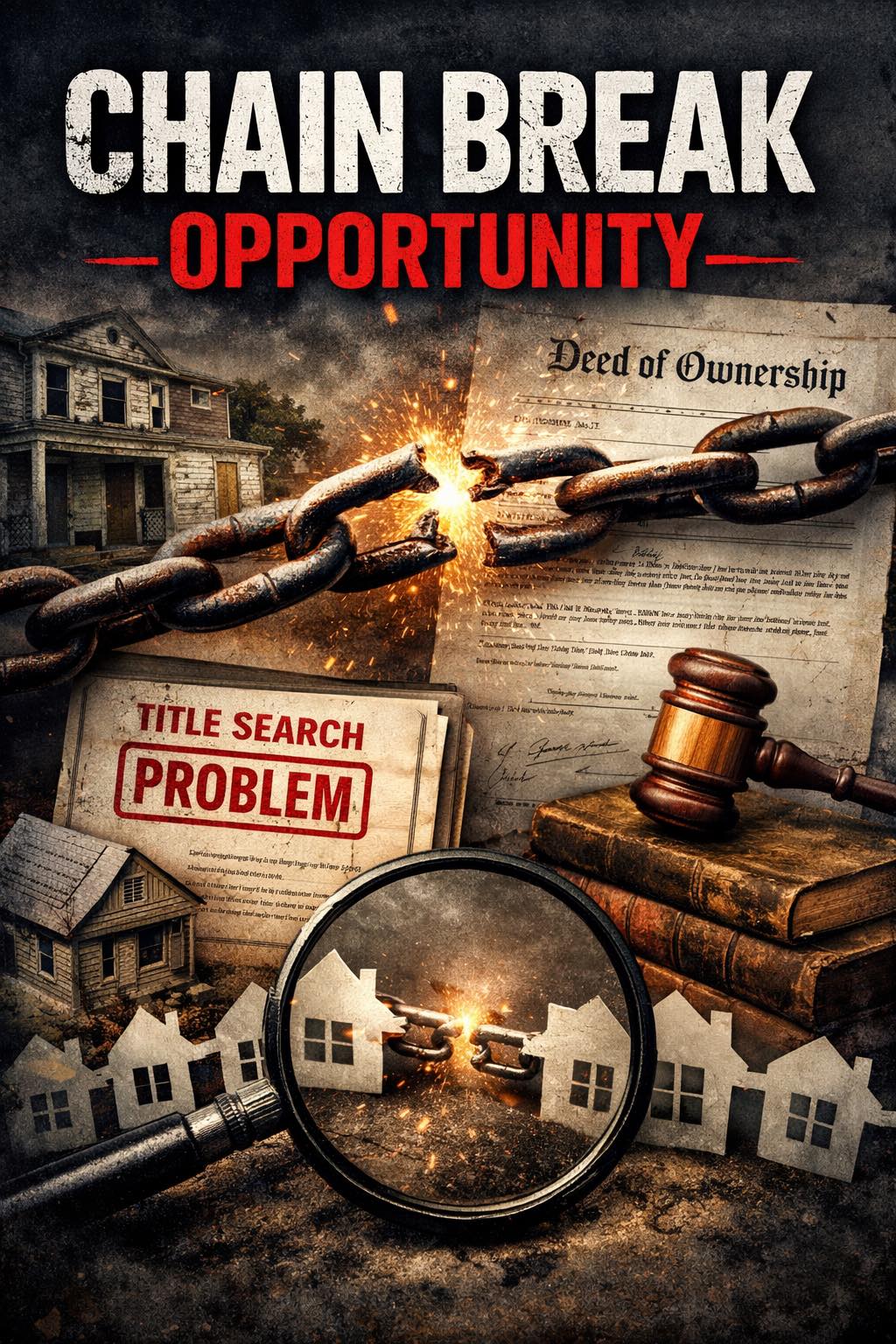
Today, I’ll talk about real estate investments during a crisis and the #BRRRR strategy.
A bit of hindsight and the stock market
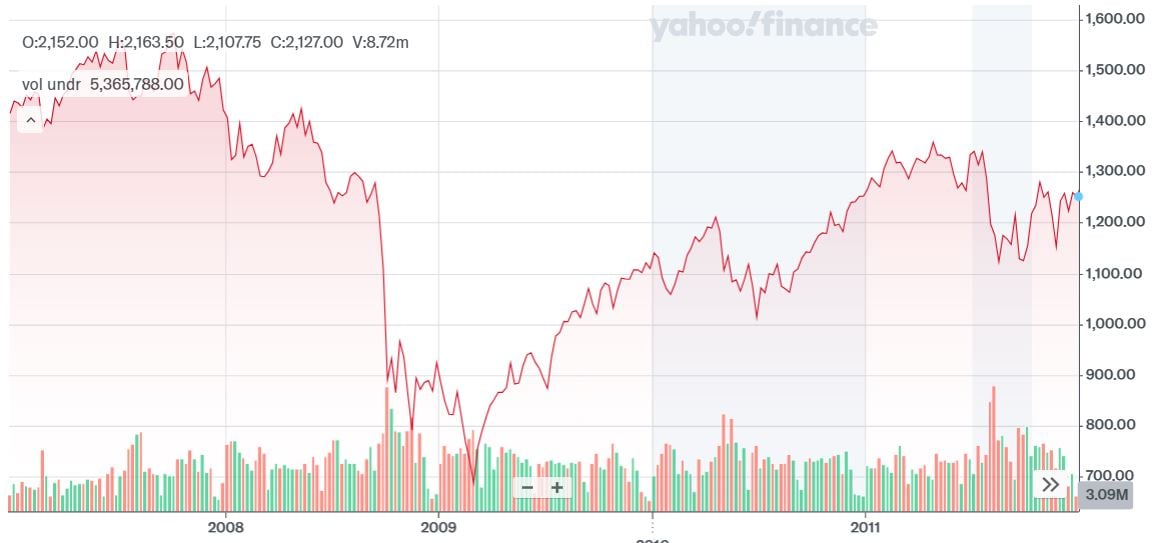
2008 opened with #Snoppy at 1,400.
By November, the index had fallen to 800 after Lehman Brothers went bankrupt—a 43% drop.
By March 2009, the index fell further to 666.
A few days ago, this index stood at 6,550.
Here’s an important point: hindsight is 20/20.
Someone who bought in March 2009, reinvested all dividends, and sold recently, made 770% in 16.5 years—over 16% annualized!
But as I learned at the Technion, there’s no person like that.
Many think they could have been that person.
The stock market is a rollercoaster. Most of us think we can ride it peacefully without working—but we cannot predict how we’ll react to sharp ups and downs.
So theoretically, you could earn a lot doing nothing—but in reality, timing the market is impossible.
You also cannot predict reactions to economic news or market volatility.
Severe crisis: #BRRRR in Denver, living in San Diego
The impact of the 2008 crisis on tech—and how snowboarding relates to real estate:
The tech companies we worked at did not lay off staff during the crisis.
We didn’t feel the worst recession in 70 years on our own skin.
Prices in San Diego fell, but the numbers didn’t make sense yet.
In winter 2008, I went snowboarding near Denver, Colorado, and decided to study the market.
I liked the idea that the next flights to Denver for snowboarding would be tax-deductible.
I focused on poor neighborhoods.
I saw homes whose prices dropped over 50% in one year, selling for less than construction cost.
The Malaya Property
July 2008: I bought a foreclosed property from Citibank US for $93,000.
Renovation: $5,000.
Rented it to a Section 8 tenant.
Two and a half years later, I refinanced for $99,000, effectively not paying for the investment.
The whole process—from acquisition to refinance—was scary, but it sparked my desire for another #BRRRR deal.
2009, Banks Desperate for Cash Buyers
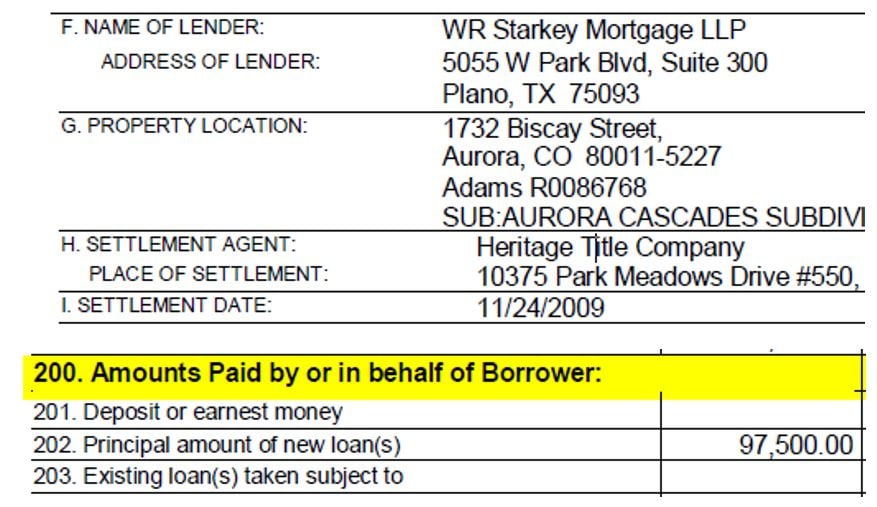
Biscay Property
March 2009: I had three singles and another daughter on the way—each girl needed two bedrooms. 😊
I believed the Federal Reserve would rescue the economy.
Bought another property for $70,000.
The house was in poor condition; renovation cost $15,000—stressful and sleepless nights.
Later in 2009, I refinanced for $97,500.
Not only did I not spend my own money, I received a gift of $8,000 (after fees).
By 2016, back in Israel, with a translated high-paying paycheck, the property had appreciated significantly.
Time to approach the real estate ATM (#refinance) again.
Refinanced for $157,000, fixed rate 4.625% for 30 years.
After paying off the previous loan and fees: $64,000 in cash remained.
Cash flow remained positive.
By 2021, I sold the property for $400,000—a huge exit.
A small California adventure
2010: Bought two more homes in Lancaster, California.
Both rented via Section 8 all those years.
Sold within five years for a nice profit, but I don’t consider them wise investments.
California is a terrible state to invest in—a “blue” state.
Lessons from BRRRR in Colorado
Don’t invest in a blue state.
Profit can be phenomenal, but risk is high.
The two Colorado properties were bought in tough neighborhoods.
Renovations were a rollercoaster.
Getting a mortgage was bureaucratic.
After my 2008–09 Colorado adventure, I stopped doing #BRRRR.
It’s a strategy that works well during severe crises, which is not the current situation.
Today
I only invest in new construction in good neighborhoods.
Back to San Diego → Haifa
2011: Against all logic, we resigned and returned to Haifa during the tent protest and rising cost of living.
Since then, prices in Israel (and the U.S.) have only risen.
More on real inflation on Wednesday.
We returned with 6 homes (3 per daughter), but my love for real estate remained.
After moving back to Israel, alongside tech work, I also invested in Florida, Oklahoma, and Illinois.
Smart U.S. real estate investment beats any stock market investment in the long run.




















Responses