The Federal Reserve’s latest 25-basis-point interest rate cut its second in as many meetings has sparked questions about what it means for everyday Americans. The central bank’s move lowers the federal funds rate to a range of 3.75%–4.00%, a shift that, while technical, sends ripple effects across virtually every aspect of household finances from credit cards and mortgages to car loans, student debt, and savings accounts.
This decision follows growing political and market pressure for the Fed to provide relief amid signs of slowing growth and high borrowing costs. President Donald Trump has been among the most vocal advocates for steeper rate cuts, arguing that easier credit conditions will help businesses expand and make it more affordable for consumers to borrow and spend.
Although the Fed’s rate doesn’t directly set what consumers pay or earn, it influences the prime rate, which in turn affects most short-term lending products. The result? Americans could soon see modest relief on some borrowing costs but also slightly smaller returns on savings.
“For households stretched thin by debt, this could offer a little breathing room,” said Mark Zandi, Chief Economist at Moody’s Analytics. “People have been borrowing more to maintain their standard of living, and the interest they’re paying on that debt has become a burden.”
💳 Credit Cards: Tiny Relief, Still Big Balances
Credit cards are one of the most immediately affected products when the Fed moves rates. Because most cards carry variable APRs tied to the prime rate, borrowers can expect their interest charges to adjust within one or two billing cycles.
However, the relief is likely to be small. Credit card APRs currently average just over 20%, near record highs, according to Bankrate. Even after a quarter-point cut, that number might only drop by a few tenths of a percent.
“A quarter-point rate cut is helpful, but it’s not going to dramatically lower your monthly payment,” said Stephen Kates, financial analyst at Bankrate.
For example, someone carrying $7,000 in credit card debt at 24.19% interest, paying $250 a month, would save just about $60 over the life of the loan from this rate cut, according to LendingTree’s chief credit analyst, Matt Schulz.
The takeaway: while rate cuts help at the margins, the best way to save on credit card debt is still to pay it down or transfer to a lower-rate balance card before APRs climb again
🏠 Mortgages: Fixed Loans Unchanged, But Adjustable Rates Could Shift
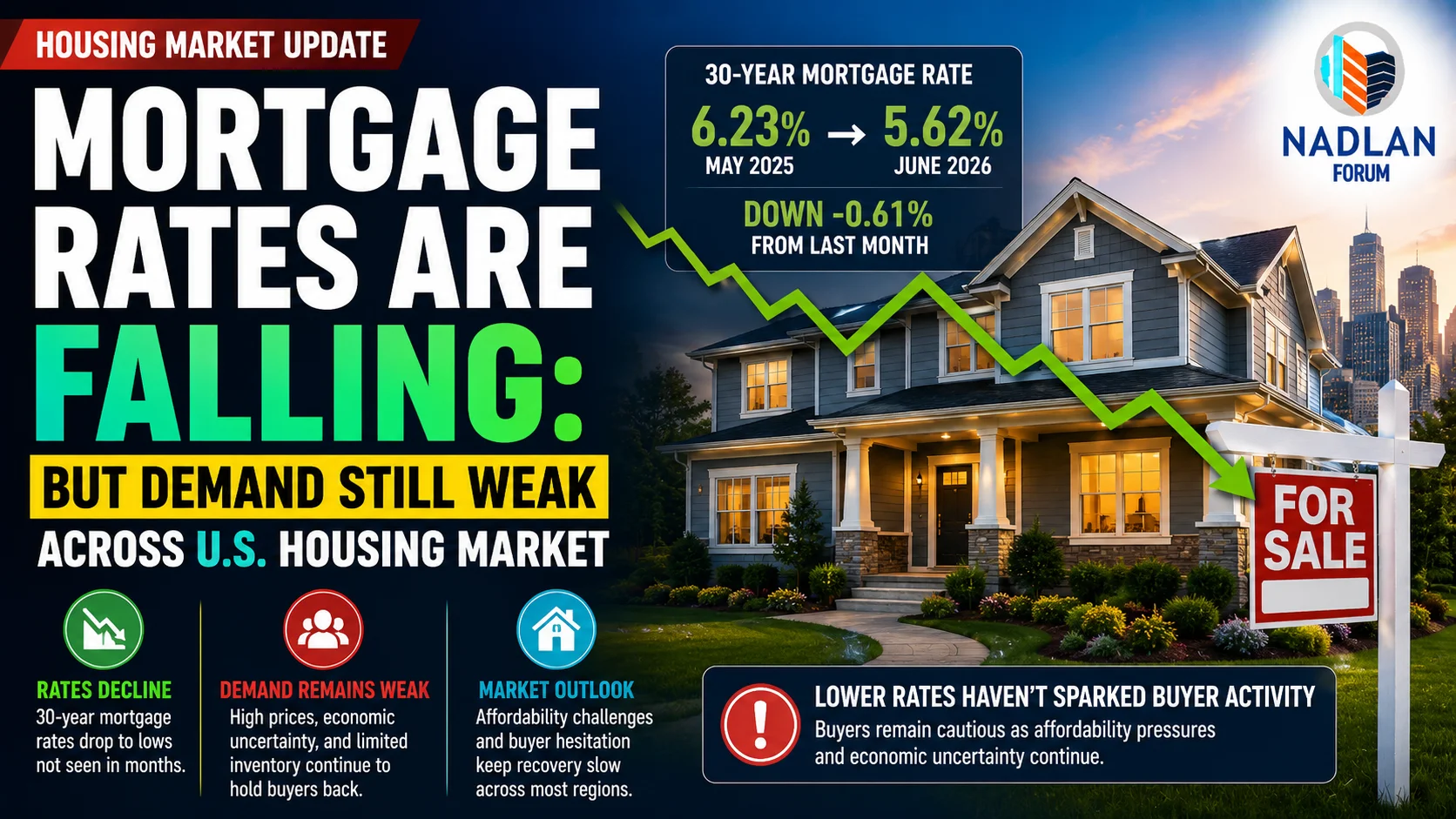
Mortgages make up the largest share of consumer borrowing but most homeowners won’t see an immediate change. That’s because fixed-rate loans (such as 15- and 30-year mortgages) are tied more to long-term Treasury yields and market expectations for inflation than to the Fed’s short-term moves.
Still, expectations of future rate cuts can drive mortgage rates lower indirectly, as investors adjust their forecasts.
“This presents a tangible opportunity for consumers,” said Michele Raneri, Vice President of U.S. Research at TransUnion. “A borrower taking out a $350,000 loan could see their monthly payments fall by nearly $150 as rates edge lower.”
Meanwhile, adjustable-rate mortgages (ARMs) and home equity lines of credit (HELOCs) both of which track the prime rate will likely see faster changes. Borrowers with these variable-rate loans could see a reduction in interest charges within weeks.
🚗 Auto Loans: Limited Impact, But Confidence Could Rise
Like mortgages, most auto loans are fixed for their entire term, meaning the rate cut won’t immediately affect existing borrowers. However, it could slightly improve terms for new buyers, especially if banks and automakers introduce promotional offers heading into the holiday car-buying season.
“We’re unlikely to see massive savings on monthly payments, but a rate cut can help restore consumer confidence,” said Joseph Yoon, consumer insights analyst at Edmunds. “It also gives lenders and manufacturers more room to offer financing incentives or rebates.”
High vehicle prices, compounded by tariffs and supply chain costs, continue to challenge affordability but even small reductions in borrowing rates can make a difference for consumers financing large purchases.
🎓 Student Loans: Refinancing Opportunities on the Horizon
For borrowers with federal student loans, there won’t be any immediate change. Federal rates are fixed and only reset once a year on July 1 based on the 10-year Treasury yield.
However, borrowers with private student loans especially those with variable rates may see their interest costs decline soon. And for those with fixed private loans, refinancing could become a more attractive option if rates continue to fall in 2026.
“Refinancing may make sense as rates trend lower, but federal borrowers should be cautious,” advised higher education expert Mark Kantrowitz. “Switching to a private loan means giving up federal protections like income-driven repayment and forgiveness programs.”
It’s worth noting that under President Trump’s proposed education policy, some income-driven repayment plans are expected to phase out by 2028, making future flexibility for borrowers more limited.
💰 Savings Accounts: Lock In High Yields While You Can
While rate cuts are designed to reduce borrowing costs, they also make saving less rewarding. Deposit yields tend to move in tandem with the Fed’s benchmark rate meaning savings accounts, money markets, and CDs could soon start paying less.
“Yields on high-yield savings accounts and CDs are likely to decline further,” warned Matt Schulz of LendingTree. “Now may be the time to lock in a higher rate if you can.”
Currently, top online savings accounts and one-year CDs are offering returns above 4%, still comfortably outpacing inflation. Experts suggest savers lock in longer-term CDs or promotional rates now to preserve those earnings before banks adjust downward.
The Bottom Line: A Modest Relief in a Complex Economy
The Fed’s latest rate cut offers a mixed bag for American consumers. Borrowers may see slightly cheaper financing across some credit lines, but the impact will likely be small and gradual, especially given how elevated base rates remain.
For homeowners and savers, the message is clear: act strategically. Lock in favorable rates where possible, pay down high-interest debt, and stay alert for better refinance or lending opportunities.
“The Fed’s rate moves don’t transform household finances overnight,” Zandi said. “But in today’s environment, even small changes in the cost of money can make a real difference in people’s day-to-day lives.” For direct financing consultations or mortgage options for you visit 👉 Nadlan Capital Group.
If you’ve ever been denied a home loan due to a less-than-perfect credit score or inconsistent income, you’re not alone. That’s where Non-Qualified Mortgages (Non-QM)…
Get clear on apartment mortgage rates, what affects them, and how to secure the best terms for your next investment property as a new or experienced investor.
Imagine waking up one morning, logging into your digital wallet, and seeing a message: “Your account is currently under review. Access to funds is temporarily…
Get clear, actionable advice on apartment building financing. Learn loan types, requirements, and tips to secure funding for your next multifamily investment.
Find the best hard money lenders for house flipping. Compare top options, learn what to look for, and choose the right lender for your next investment project.
Property Details Price: $477,000 Property Type: Single Family Home Bedrooms: 4 Bathrooms: 2.5 Total Size: 2,439 SQ FT Lot Size: 2.91 Acres Year Built: 1971…
What the Latest Fed Rate Cut Means for Your Wallet: Credit Cards, Mortgages, Auto Loans, Student Debt, and Savings
Report
There was a problem reporting this post.
Block Member?
Please confirm you want to block this member.
You will no longer be able to:
See blocked member's posts
Mention this member in posts
Invite this member to groups
Message this member
Add this member as a connection
Please note:
This action will also remove this member from your connections and send a report to the site admin.
Please allow a few minutes for this process to complete.


























Responses