
Mortgage Rate Movements in 2026: How Global Events and Economic Data Affect Rates


In a dramatic turn of events, mortgage rates have experienced significant volatility this week, a stark contrast to the calm and low rates seen just last week. After hitting multi-year lows on February 23rd, mortgage rates set a record for lowest weekly volatility in recent times. However, the past few days have shown a different story as interest rates took a noticeable jump back into earlier February ranges.
While this may appear as a significant shift in the bond market, it’s essential to recognize that this change, in the broader context, is not as dramatic as it may seem at first glance.

Reasons Behind the Recent Mortgage Rate Movement
The causes for the recent interest rate fluctuations are up for debate, but several key factors are dominating the conversation. The primary catalyst for the volatility has been the surge in oil prices, driven by geopolitical tensions in Iran. This sharp increase in oil prices directly impacts shipping and production costs, leading to inflationary pressures that are closely tied to interest rates.
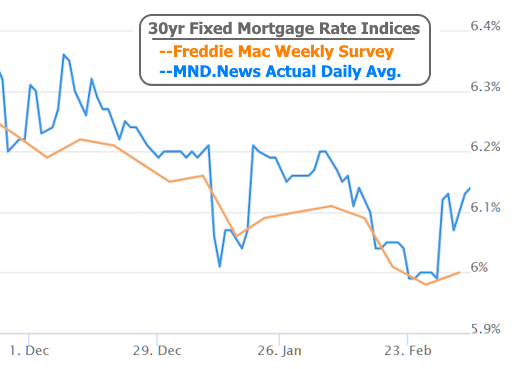
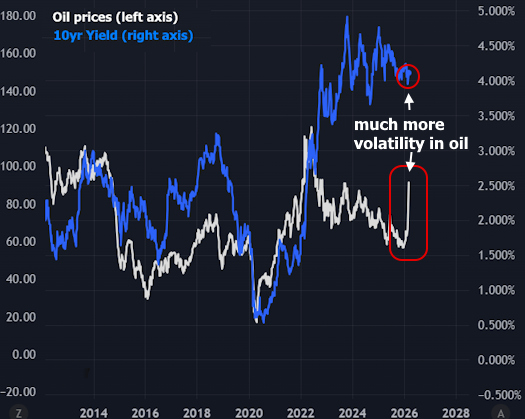
Typically, oil price changes must be quite significant to impact the bond market meaningfully. However, this week, the correlation between oil price increases and interest rate shifts has been clearly visible. Bonds have historically been less volatile compared to oil prices, but as shown in this week’s chart, a surge in oil prices triggered a noticeable reaction in the bond market.

The Impact of the February Jobs Report
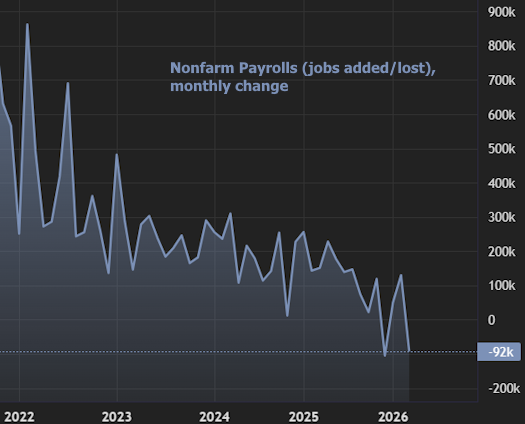
While the bond market responded to the oil price surge, the jobs report on Friday, March 6, added further complexity to the situation. The Nonfarm Payrolls for February showed a surprising drop of 92,000, far below the expected 59,000 jobs. This weak reading raised questions about the overall strength of the economy and could signal a slowdown in hiring momentum.
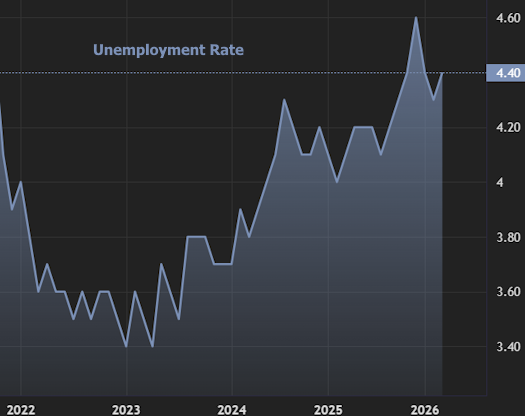
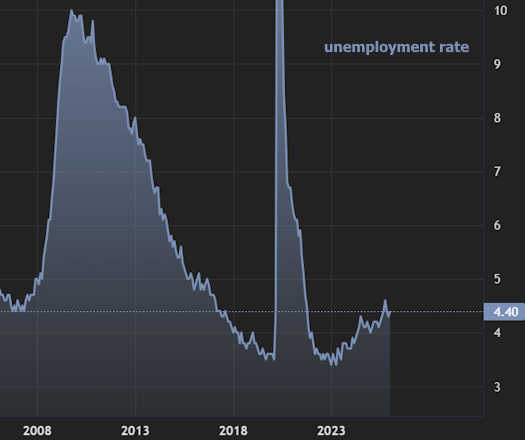
Although the jobs report was disappointing, the market also placed significant attention on the unemployment rate, which saw a small uptick to 4.4% from 4.3% last month. While the increase is minor, it’s worth noting that the unemployment rate is still at historically low levels. The trend, rather than the raw number, is what concerns the market as it might suggest a slowdown in the labor market’s recovery.

Inflation and Economic Resilience
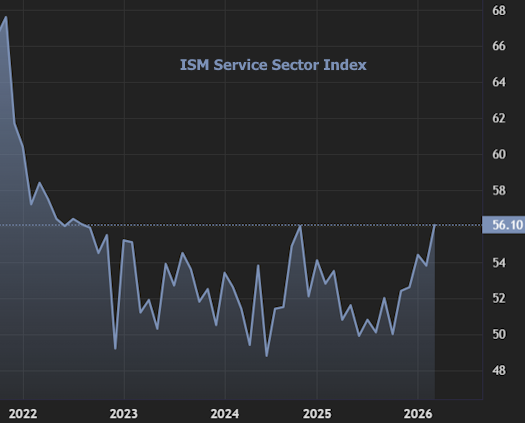
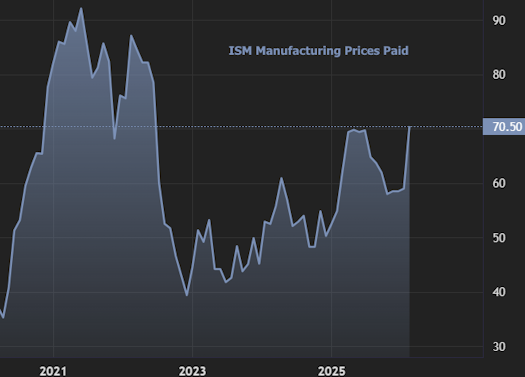
Aside from the jobs data, this week’s economic reports have shown resilience in specific sectors. On Monday, the ISM Manufacturing Index revealed that the “prices paid” component reached its highest level since 2022, signaling continued inflationary pressures. Meanwhile, on Wednesday, the ISM Service Sector Index came in strong, indicating economic resilience and robust demand in the services sector.
These conflicting signs economic strength versus inflationary pressure—are what have kept the market on edge. With oil prices soaring and inflation concerns mounting, the outlook for interest rates is becoming increasingly uncertain.
The Push and Pull Between Economic Growth and Inflation
For the last two years, the market has grappled with the economic resilience of specific sectors like services, despite rising inflationary pressures. However, with the recent surge in oil prices, the issue has become more pressing. If inflation continues to accelerate due to higher commodity prices, mortgage rates may face upward pressure.
That said, if upcoming economic reports show signs of weaker growth or a slowdown in inflation, interest rates could stabilize or even decrease. The market will be watching closely for any signs that either inflation or economic growth will take a turn, as these trends will be the key drivers of future mortgage rate movements.
Looking Ahead: What’s Next for Mortgage Rates?
In the coming weeks, the mortgage rate market will continue to track inflationary signals from commodity prices, especially oil. Alongside this, key economic data, including consumer and jobs reports, will provide further clues as to the direction of interest rates.
Traders and analysts alike are keeping a close eye on any shifts in the inflationary landscape or signs that economic growth may be slowing, as these factors will ultimately dictate the trajectory of mortgage rates for the remainder of 2026.
Given the global uncertainty and sensitive nature of bond markets, mortgage rates are likely to remain volatile in the short term. Investors and homeowners alike must stay alert to global events and economic data, which continue to influence the market’s outlook for interest rates.
In conclusion, this week’s mortgage rate movements underscore the delicate balance between global events, economic growth, and inflation. While mortgage rates are not experiencing drastic swings, the underlying volatility suggests that interest rates will continue to be influenced by both international and domestic factors for the foreseeable future. For direct financing consultations or mortgage options for you visit 👉 Nadlan Capital Group.





















Responses