
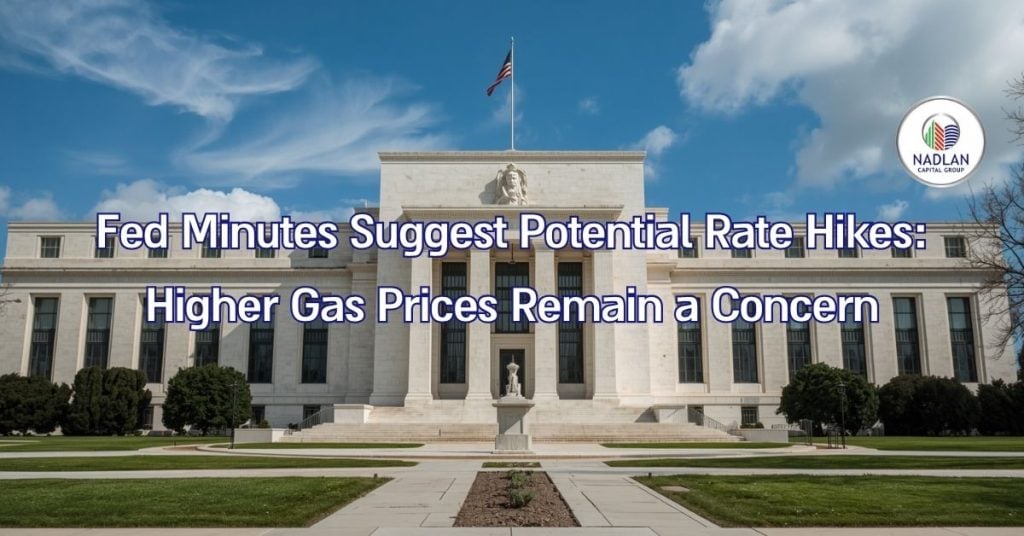
Fed Minutes Suggest Potential Rate Hikes: Higher Gas Prices Remain a Concern

Growing Openness to Rate Increases
Minutes from the Federal Reserve’s March 17-18 meeting, released on Wednesday, reveal that some policymakers are now more inclined to consider raising interest rates. This comes as concerns about rising oil prices continue to drive inflationary pressures across the economy. According to the minutes, the Federal Open Market Committee (FOMC) members are increasingly aware of the potential risks higher oil and gas prices could pose to long-term inflation, which has remained above the Fed’s 2% target.
While the Fed traditionally takes a cautious approach to adjusting interest rates, the latest minutes suggest that policymakers are ready to act more decisively if inflation proves to be more persistent than expected. “Some” members of the FOMC now support altering the post-meeting statement to reflect the possibility of a rate increase, which marks a shift from the previous consensus that leaned more towards maintaining rates.
Impact of Geopolitical Events on Inflation and Rates
The ongoing situation in the Middle East has raised concerns about its impact on global oil prices, which in turn affects domestic inflation. While the Fed is continuing to monitor the situation closely, some members have indicated that it may become necessary to raise rates to contain inflation if the geopolitical tensions lead to sustained increases in oil prices.
“Many participants pointed to the risk that rising oil prices could keep inflation elevated for longer than expected,” the minutes noted. These concerns suggest that the Fed is increasingly focused on how external factors, like international conflicts, could shape the U.S. economy and its monetary policy.
The most recent data shows that oil prices have already begun to tick upward again, following a brief period of stabilization, which could further complicate the Fed’s decisions on how to balance inflation and economic growth.
Inflation and the Path Forward
Fed Chair Jerome Powell and other officials have consistently stated that they aim to keep inflation under control while ensuring the economy remains stable. However, the current inflation situation is complicated by rising energy prices, which could lead to higher consumer costs across the board.
As the minutes suggest, the Fed is prepared to take action if inflation remains uncontained, but it is also cautious about raising rates too quickly. The central bank’s current target is to maintain steady rates to allow the economy to adjust gradually. However, some officials are now considering whether a modest rate hike could be necessary in the near future to curb inflation before it becomes entrenched.
Labor Market Concerns and the Fed’s Strategy
In addition to inflation, the Fed is also focused on the labor market, which has shown mixed results. While unemployment remains low, job growth has been concentrated in the healthcare sector, which raises concerns about the overall stability and sustainability of the economy.
The minutes reveal that many officials are concerned about the labor market’s vulnerability to shocks. Despite the relatively low unemployment rate, the job market has shown limited growth in other sectors, which could signal potential weaknesses moving forward.
Some Fed members have expressed worries that a slowdown in job creation could further constrain economic growth, making it more difficult to sustain inflation control without sacrificing employment.
Future Outlook: One Rate Cut Expected
While some officials are opening the door to rate hikes, the general consensus among the Fed board remains cautious. The minutes revealed that policymakers are still optimistic about the long-term outlook but remain prepared to make adjustments if necessary. Many participants believe that it will likely be appropriate to lower rates in the future, but only if inflation trends downward as expected.
Despite these concerns, the Fed is committed to maintaining a balanced approach, with officials noting that they need to remain “nimble” as they evaluate the impact of external factors like geopolitical instability and inflation trends. The central bank’s ultimate goal remains to ensure a stable economic environment without triggering unnecessary disruptions.
Conclusion: Navigating Uncertainty with Caution
The Fed’s minutes from the March meeting underscore a delicate balancing act. While some members have shown a greater willingness to raise rates, they are also mindful of the risks associated with acting too aggressively. As inflation remains a significant concern, particularly with the rising cost of oil, the Fed may take a more proactive approach in the coming months if necessary.
Policymakers are aware that inflation could persist longer than expected, but they are also cautious about raising rates too quickly, as this could destabilize other areas of the economy. For now, the Fed continues to monitor both domestic and international economic factors, staying ready to adjust its policies as the situation evolves. For direct financing consultations or mortgage options for you visit 👉 Nadlan Capital Group.


















Responses