
The real estate market is continuously evolving, influenced by a variety of factors such as economic shifts, demographic changes, and technological advancements. As we move through 2026, several key trends are emerging that are significantly impacting property values and investment strategies. Understanding these trends is essential for investors, developers, and anyone involved in real estate. This article will outline the top five real estate trends shaping property value in 2026, providing insights that can guide investment decisions and strategies.
1. The Rise of Remote Work and Its Impact on Housing Preferences
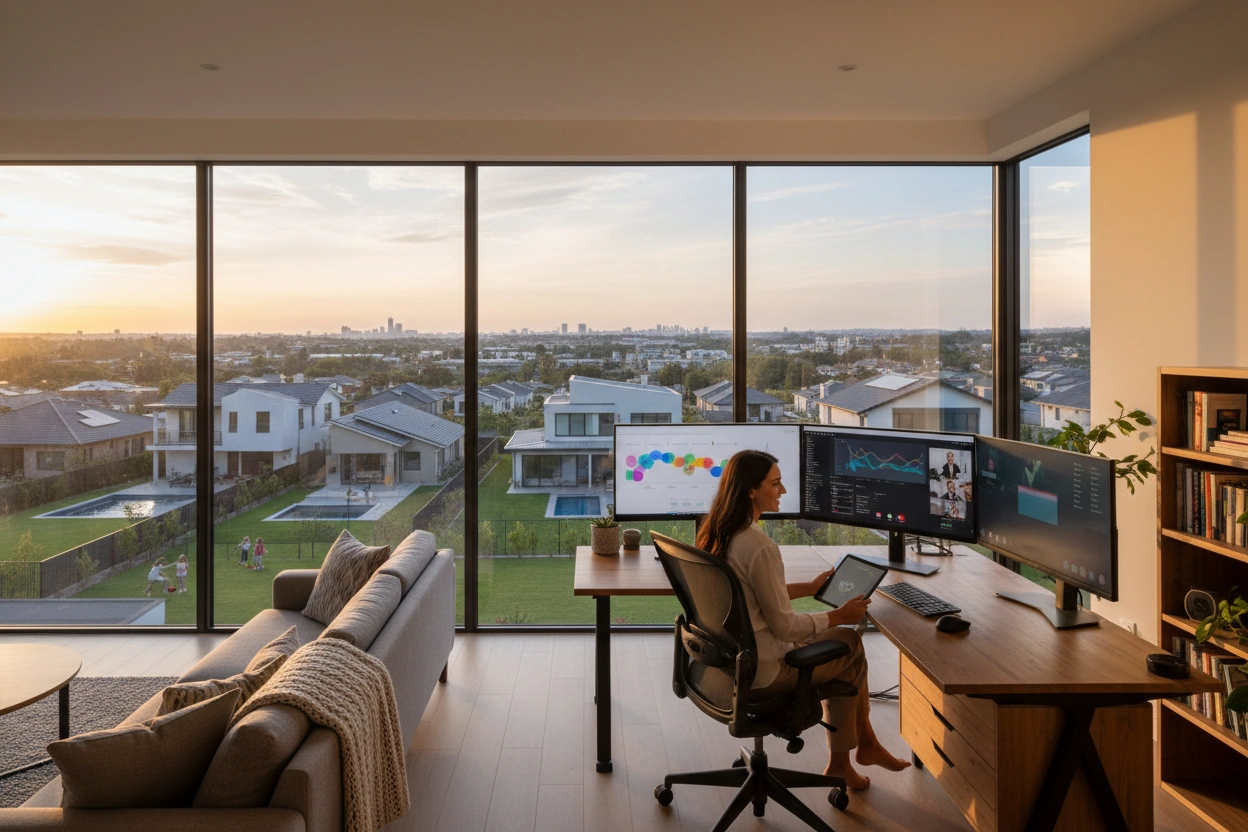
The shift to remote work, which accelerated during the pandemic, continues to influence housing preferences in 2026. As companies adopt flexible work policies, many individuals are reevaluating their living situations. This trend has led to an increased demand for homes in suburban and rural areas, where larger properties and more space are available at a lower cost compared to urban centers.
Suburban Migration Patterns
Many professionals are opting to leave crowded cities for suburban locations, seeking larger homes with dedicated office spaces. This migration has caused property values in suburban areas to rise significantly. For example, cities like Austin, Texas, and Boise, Idaho, have seen substantial increases in home prices as remote workers flock to these areas for better quality of life and affordability. Investors should consider focusing on suburban properties, which may offer better returns as demand continues to rise.
The Shift in Property Features
As remote work becomes a permanent fixture for many, homebuyers are prioritizing features that accommodate their new lifestyles. Homes with dedicated office spaces, high-speed internet access, and outdoor areas are in high demand. Investors looking to enhance property values should consider renovations that cater to these preferences, such as creating home offices or improving outdoor spaces for leisure and work.
2. Sustainable and Eco-Friendly Housing Developments
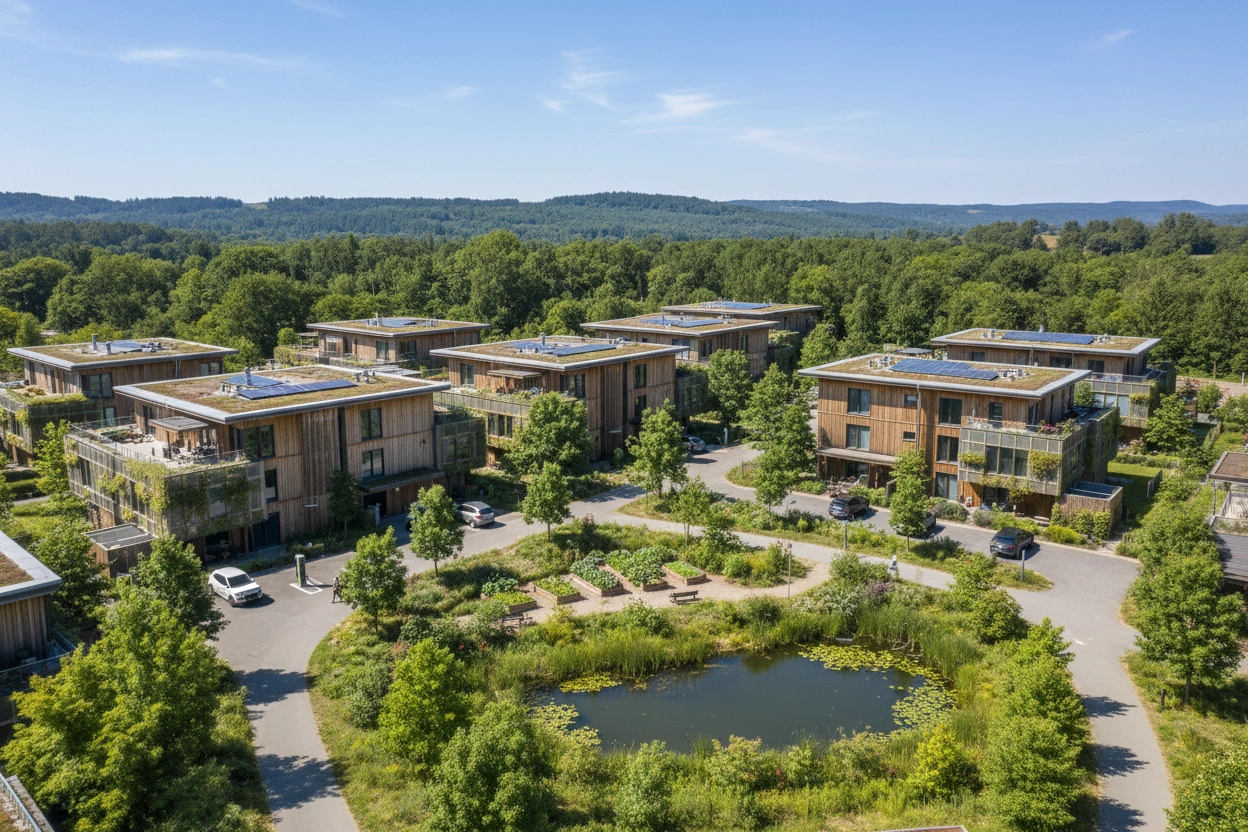
Sustainability has become a significant factor influencing property values in 2026. Buyers are increasingly drawn to eco-friendly homes that incorporate sustainable materials and energy-efficient technologies. This trend is driven by a growing awareness of climate change and the desire for lower utility costs.
Green Building Practices
Developers are now adopting green building practices, which not only reduce environmental impact but also enhance property values. Features such as solar panels, energy-efficient appliances, and sustainable landscaping are becoming standard in new developments. Properties that meet green certification standards, such as LEED (Leadership in Energy and Environmental Design), often command higher prices and attract environmentally conscious buyers.
Market Demand for Eco-Friendly Features
The demand for sustainable housing is reflected in market trends. According to recent studies, homes with energy-efficient features can sell for up to 10% more than comparable properties without such features. Investors should consider incorporating sustainable practices into their property portfolios to meet this growing demand and improve long-term value.
3. The Influence of Technology on Real Estate Transactions

Technology continues to reshape the real estate landscape, affecting everything from property management to the buying and selling process. In 2026, innovations such as virtual reality (VR), artificial intelligence (AI), and blockchain are becoming integral to real estate transactions.
Virtual Reality and Property Tours
Virtual reality has transformed how potential buyers view properties. Virtual tours allow buyers to explore homes remotely, saving time and resources for both buyers and sellers. This technology has become especially relevant in a post-pandemic world where in-person showings may still be limited. Investors can leverage VR to market properties more effectively, reaching a broader audience.
Blockchain and Real Estate Transactions
Blockchain technology is also making waves in real estate by streamlining transactions and enhancing security. Smart contracts, which automatically execute transactions when conditions are met, reduce the need for intermediaries and can lower transaction costs. As more investors and developers adopt these technologies, properties utilizing blockchain may see increased value due to their efficiency and security.
4. Increasing Interest in Mixed-Use Developments
Mixed-use developments are gaining popularity as urban planners and developers respond to changing consumer preferences. These developments combine residential, commercial, and recreational spaces, creating vibrant communities that cater to diverse needs.
Benefits of Mixed-Use Developments
One of the main attractions of mixed-use properties is their ability to create walkable communities. Residents benefit from easy access to shops, restaurants, and workplaces, which enhances the overall quality of life. This trend is particularly appealing to younger generations who prioritize convenience and community. Investors should consider the potential for higher returns in mixed-use developments, which often attract a broader demographic.
Case Studies in Successful Mixed-Use Projects
Cities like Atlanta and Seattle have successfully implemented mixed-use developments, resulting in increased property values and community engagement. These projects often see a surge in demand, making them a lucrative opportunity for investors. By investing in mixed-use developments, investors can capitalize on the growing trend of urban living that offers both convenience and lifestyle benefits.
5. The Impact of Economic Conditions on Real Estate Investment Strategies
Economic factors, including inflation rates, interest rates, and overall economic growth, play a critical role in shaping real estate trends. As of 2026, the economy is showing signs of recovery, but challenges such as rising interest rates may impact property values and investment strategies.
Understanding Economic Indicators
Investors must stay informed about economic indicators that can influence the housing market. For instance, rising interest rates typically lead to higher mortgage costs, which can dampen buyer enthusiasm and slow down property sales. Understanding economic indicators allows investors to time their purchases and sales more effectively, maximizing returns.
Adapting Investment Strategies
In light of current economic conditions, investors may need to adjust their strategies. For example, focusing on cash-flow-positive properties can provide stability during economic fluctuations. Additionally, diversifying investments across different property types—such as residential, commercial, and industrial—can mitigate risks and enhance overall portfolio performance.
Aligning with Nadlan Capital Group's Vision
The real estate trends shaping property value in 2026 present numerous opportunities for investors, developers, and those involved in the housing market. By understanding these trends, stakeholders can make informed decisions that align with current market demands. Nadlan Capital Group is positioned to assist investors in navigating these trends effectively.
Whether you're a short-term investor seeking quick profits, a long-term passive investor building a rental portfolio, or a developer looking for capital on value-add projects, Nadlan Capital Group can provide the insights and resources you need. For more information on how we can support your real estate endeavors, contact Nadlan Capital Group today.