
U.S. Economy Accelerates in Q2, Surpassing Expectations Amid Strong Consumer Spending


The U.S. economy grew at a faster-than-anticipated pace in the second quarter, as consumer and business activity remained resilient despite ongoing trade tensions and tariff-related uncertainties. The Commerce Department reported Thursday that gross domestic product (GDP) expanded at a 3.3% annualized rate from April through June, a noticeable increase from the first estimate of 3.0% and above the 3.1% forecast from economists surveyed by Dow Jones.
Consumer spending, a major driver of economic growth, played a critical role in lifting the numbers. Adjusted figures show that spending increased by 1.6% during the quarter, slightly higher than the initial 1.4% estimate. Economists view this as a sign that Americans continue to support economic growth, even as rising tariffs and global uncertainties weigh on business confidence.
A closely watched metric known as “final sales to private domestic purchasers” surged 1.9%, up from the previous estimate of 1.2%. This gauge, which measures domestic demand and excludes government activity and inventories, is particularly important to Federal Reserve officials, as it provides a clearer picture of underlying economic strength and consumer resilience within U.S. borders.
Trade flows, heavily influenced by tariffs, also left an unusual imprint on the GDP figures. Imports, which are subtracted from GDP calculations, fell sharply by 29.8% during the quarter. This decline followed a spike in import activity earlier in the year, when businesses stockpiled goods ahead of President Donald Trump’s April 2 “liberation day” tariff announcement. Meanwhile, exports, which contribute positively to GDP, declined 1.3%, slightly less than the prior estimate of a 1.8% drop. When combined, the net trade impact added nearly five percentage points to second-quarter growth a rare and significant contribution.
Despite the strong Q2 performance, the economy remains on a moderate growth trajectory for the year. GDP growth for the first half of 2025 averages roughly 2.1%, or just over 1% per quarter, reflecting a contraction of 0.5% in the first quarter largely caused by pre-tariff stockpiling and other disruptions to trade flows.
The encouraging takeaway is that consumption came in stronger than expected, said Heather Long, chief economist at Navy Federal Credit Union. Americans are continuing to spend despite tariffs and global uncertainty, although the pace is slower than in previous years. Looking ahead, the economy is likely to maintain this measured growth pace, roughly 1.5%, as the effects of tariffs and other trade policies become clearer to consumers and businesses.
Preliminary data for the third quarter also suggests continued, albeit slower, expansion. According to the Atlanta Federal Reserve’s GDPNow model, the economy is tracking at approximately a 2.2% growth rate for the current quarter, signaling ongoing resilience even amid global and domestic headwinds.
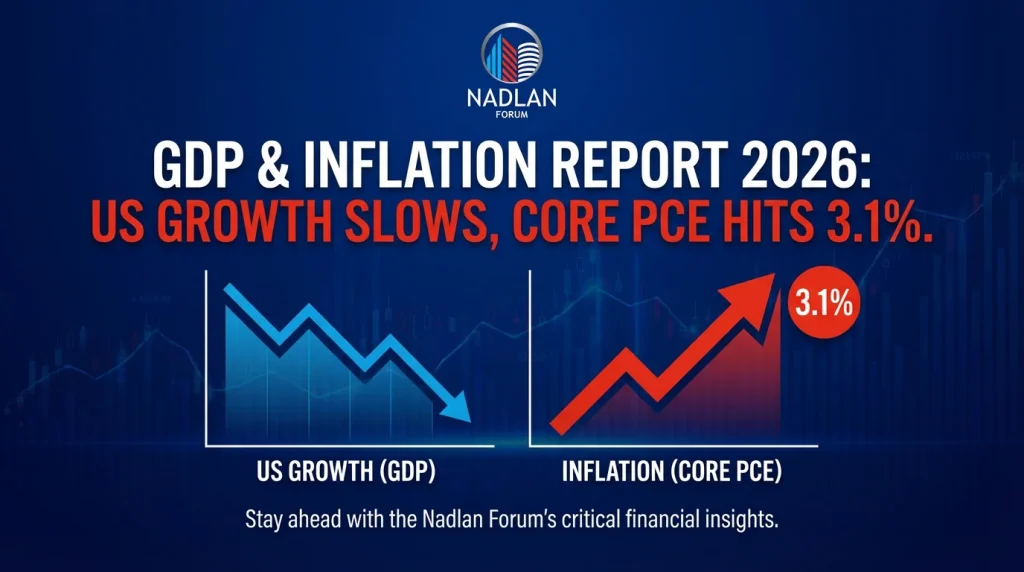
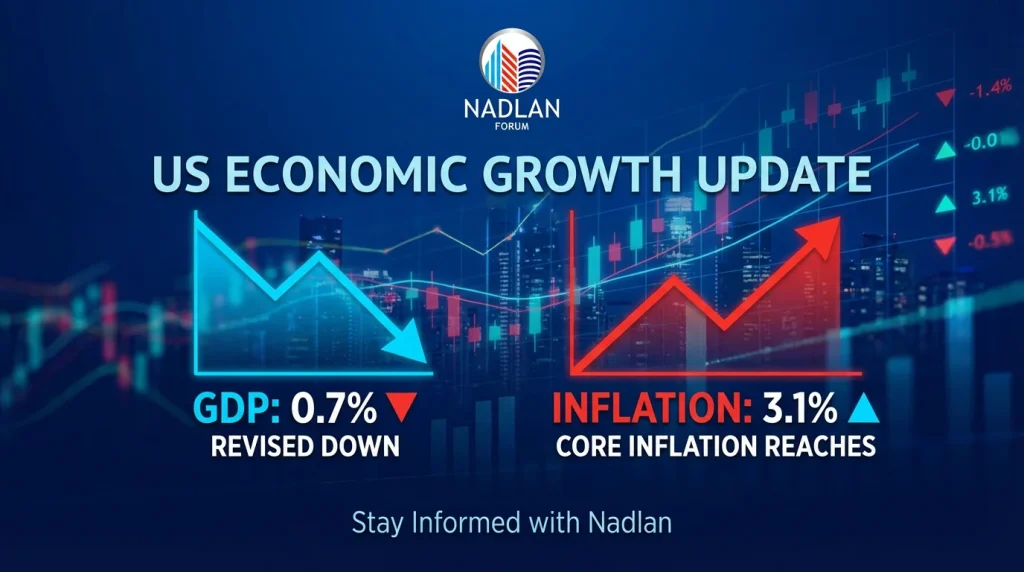
Inflation trends showed relative stability in the quarter. Core personal consumption expenditures (PCE) prices, which strip out volatile food and energy costs, increased 2.5%, unchanged from previous estimates. Meanwhile, the headline PCE price index edged slightly lower to 2%, aligning with the Federal Reserve’s long-term target and indicating that inflation pressures remain manageable for now.
Analysts note that while the GDP figures are encouraging, the underlying dynamics of trade, tariffs, and consumer behavior will likely define the pace of growth for the remainder of the year. Businesses are still adjusting to tariff-driven cost changes, and some sectors may experience slower expansion as global supply chains continue to adapt. Yet strong consumer spending, supported by steady employment and wage growth, continues to underpin the U.S. economy, providing a buffer against external shocks.
Economists and policymakers will continue to monitor these trends closely, particularly the interplay between domestic demand, trade activity, and inflation. The second-quarter growth figure underscores the economy’s resilience but also highlights the ongoing complexity of navigating a global environment marked by trade uncertainty and evolving economic policies. For direct financing consultations or mortgage options for you visit 👉 Nadlan Capital Group.























Responses