
Black Homeownership Rate Declines in Q2 as Unemployment Affects Housing Market Access


The latest Redfin data highlights concerning trends in U.S. homeownership rates, particularly among the Black community. In the second quarter of 2025, the Black homeownership rate fell to 43.9%, marking its lowest point since Q4 of 2021. This represents a significant decline from the previous year’s 45.3% the largest year-over-year drop since Q3 2021.
Meanwhile, homeownership rates for other racial and ethnic groups showed mixed results. The Hispanic homeownership rate saw a modest increase, rising from 48.5% to 48.8%, while the non-Hispanic white rate remained largely unchanged at 74.4%. The Asian/Native Hawaiian/Pacific Islander homeownership rate dropped slightly, from 62.8% to 62.1%.
The Role of Unemployment in Black Homeownership Decline
Daryl Fairweather, Redfin’s Chief Economist, attributed the drop in the Black homeownership rate to multiple factors, with rising unemployment being a significant contributor. In particular, Black households were hit hard by recent federal layoffs, a source of economic stability for many within the Black community due to the historical opportunities government jobs have provided. Additionally, the dismantling of Diversity, Equity, and Inclusion (DEI) programs in both public and private sectors has likely contributed to fewer job opportunities and promotions for Black workers.
“Black families have faced a unique set of challenges recently, from job losses in sectors that traditionally provided upward mobility, to shrinking opportunities for growth and wealth accumulation,” Fairweather noted. “As a result, many families are now facing increased barriers to homeownership, which has long been a primary avenue for building wealth in America.”

Racial Disparities in Unemployment and Housing
As of July 2025, the unemployment rate for Black or African American individuals stood at 7.2%, the highest rate since October 2021, reflecting a significant rise from 6.3% the previous year. This increase stands in contrast to the relatively stable unemployment rates for other racial and ethnic groups. The Asian unemployment rate rose slightly from 3.7% to 3.9%, while the white unemployment rate decreased marginally from 3.8% to 3.7%. Meanwhile, the Hispanic unemployment rate decreased from 5.3% to 5%.
Among Black workers, the rise in unemployment has disproportionately affected Black women, whose unemployment rate climbed from 5.5% in July 2024 to 6.3% in July 2025. The unemployment rate for Black men also saw an increase, though it was less pronounced, rising from 6.6% to 7%.
A 2024 National Association of Realtors survey revealed that 33% of Black homebuyers were women, a significantly higher share compared to 12% of men within the same demographic. This data underscores the important role women, particularly Black women, play in the homebuying market. Despite the challenges, Black women have continued to be resilient homebuyers, but they are not immune to the broader economic forces impacting the market.
Challenges for Homeownership in the Current Market
The difficulty of achieving homeownership has become a widespread challenge for many Americans, especially for Black households, who face systemic barriers to wealth building. High home prices, elevated mortgage rates, and economic uncertainty have made it harder for many to enter the housing market. However, some positive signs are emerging as the market gradually improves.
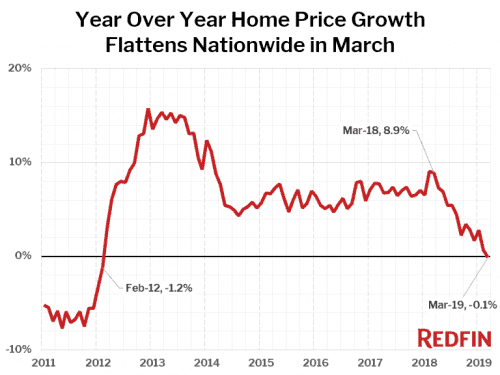
The 30-year fixed mortgage rate, which peaked at over 7% at the beginning of 2025, has dropped below 6.5% in recent weeks, offering some relief to would-be buyers. Additionally, home prices are increasing at a slower pace, growing at less than half the rate observed last year. These shifts are helping to improve affordability, offering potential opportunities for buyers who have been previously sidelined. However, while the affordability trend is encouraging, many families remain on the margins of homeownership.
Fairweather notes, “For Black households feeling locked out of the housing market, the improving affordability conditions could offer a glimmer of hope. Mortgage rates are more favorable, home prices are stabilizing, and buyers are starting to regain some negotiating power. These factors could make a real difference for those looking to break into homeownership.”
Steps Toward Greater Access for Black Homebuyers
Experts suggest that one viable path for prospective homebuyers especially Black individuals facing economic hardship is to take advantage of homebuyer assistance programs. These programs provide financial aid and support to those struggling to meet the typical home purchase requirements. Furthermore, there are targeted initiatives for descendants of those who experienced housing discrimination in the early to mid-20th century, which can now access dedicated assistance for buying homes.
Programs such as these aim to reduce barriers for individuals who historically faced systemic obstacles to housing access. As Fairweather explains, “For those affected by past discrimination, the door to homeownership is opening wider through targeted assistance programs. These opportunities are crucial for helping communities build wealth and stability in an increasingly challenging economic environment.”
Conclusion: A Slow Road to Recovery
The drop in Black homeownership reflects the broader economic challenges facing the community, including rising unemployment and barriers to financial stability. While there are positive signs in the housing market, such as improving affordability and falling mortgage rates, Black households remain at a disadvantage due to structural and economic disparities. As the U.S. works toward a more equitable housing market, access to homeownership remains one of the most powerful tools for wealth-building yet many still face significant barriers.
It is crucial to continue pushing for policies and programs that provide opportunities for marginalized communities to achieve the American Dream of homeownership. Homebuyer assistance programs can be an essential part of this solution, offering a much-needed hand up to those who have been left behind in previous years. Until systemic barriers are dismantled, efforts to level the playing field in housing will remain vital. For direct financing consultations or mortgage options for you visit 👉 Nadlan Capital Group.
























Responses