
More Affordable Listings, But the Housing Crisis Persists


Even as the number of homes priced within reach of the typical buyer rises, America’s housing affordability crisis remains stubbornly entrenched, according to a new analysis from Zillow. The modest increase in affordable listings is a step forward, but the broader challenges of cost, mortgage rates, and supply continue to overwhelm most prospective buyers.
Affordable Listings Are Growing, But Still Limited
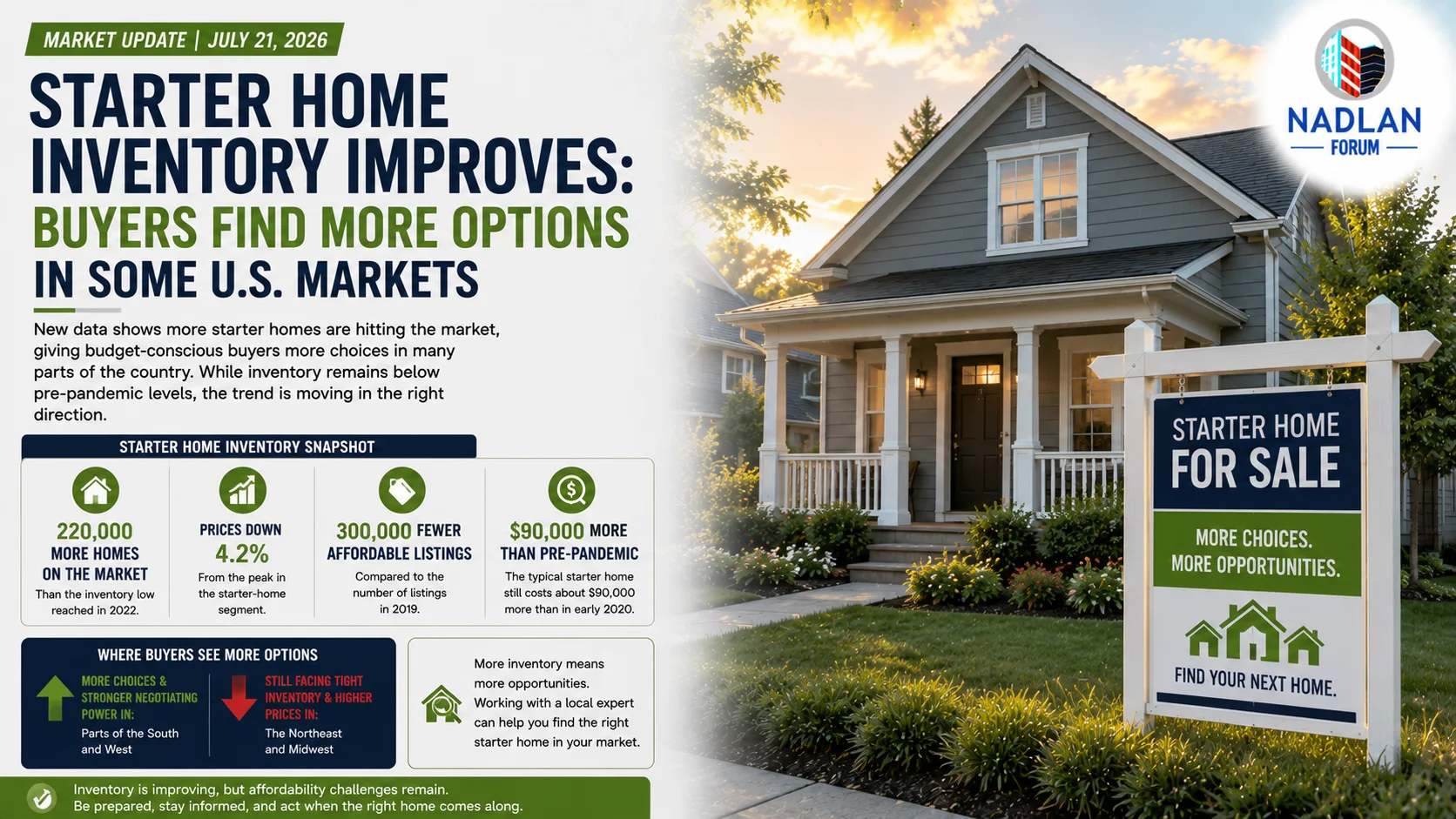
Zillow’s latest data show that by the end of July, roughly 439,000 homes on the market were affordable to a median-income household the highest figure since August 2022 and a 20% increase compared with the same period last year.
The surge in affordable listings is largely linked to a broader growth in housing inventory, which has helped temper rapid price increases in many markets. July marked the highest number of homes for sale in a single month since November 2019, with total inventory up 18% year-over-year.
However, despite the growth, fewer than one-third of July’s listings met the standard for affordability. This proportion mirrors last year’s figures but remains far below levels seen in July 2020, when over half of all homes for sale were considered affordable to a median-income buyer.
Mortgage Payments Remain a Barrier
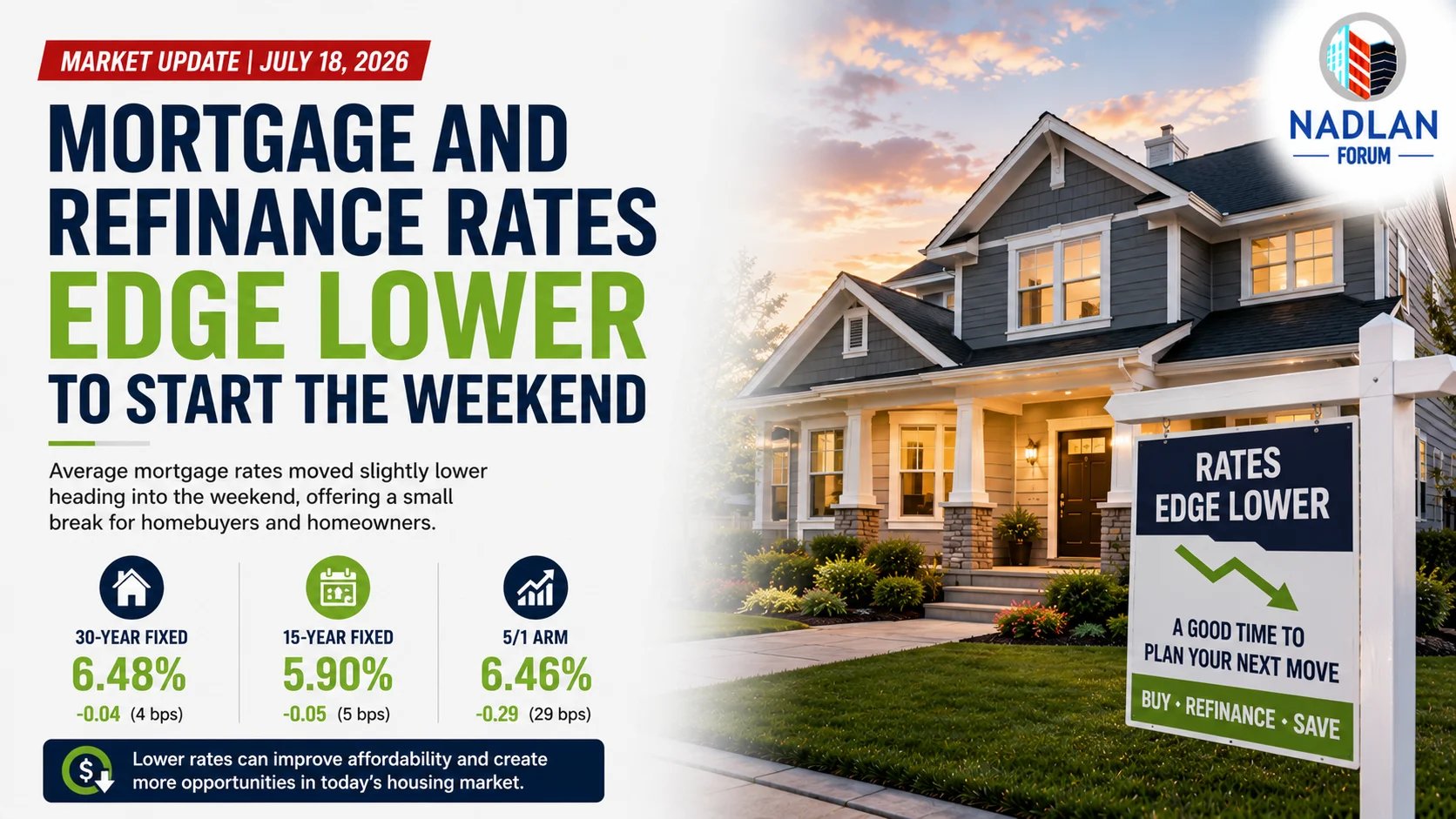
Rising mortgage payments continue to price many would-be buyers out of the market. Over the past five years, typical monthly housing costs including principal, interest, taxes, insurance, and maintenance have more than doubled, making homeownership increasingly challenging. Zillow defines affordability as spending no more than 30% of household income on total monthly housing costs.
A small silver lining comes from the increase in newly listed affordable homes, which rose to 34% in July from 32% a year earlier. This suggests that affordability gains are not solely driven by older, lingering listings but also by sellers actively adjusting prices to attract buyers in a more competitive environment.
Regional Differences Shape the Market
Affordability remains highly dependent on geography. Coastal cities, with their limited supply and high demand, generally have the fewest affordable homes, while markets across the Sun Belt offer comparatively more buyer-friendly conditions. Zillow’s analysis underscores that even as national trends show modest improvement, the experience of affordability varies widely depending on location.
“Affordability looks very different depending on where you live,” Zillow notes, highlighting the uneven pace of recovery across regions.
The Long-Term Outlook
Despite the uptick in affordable listings, Zillow’s projections suggest that meaningful improvement in affordability is unlikely in the near term. The company anticipates only a slight decline in home values roughly 1% this year which is insufficient to significantly improve access for median-income households.
To achieve true affordability, home prices would need to fall by approximately 18%, or mortgage rates would have to drop to near 4.4%. Such shifts would likely require a severe economic slowdown or widespread job losses, both of which carry significant risks for the broader economy.
Ultimately, Zillow argues, the most sustainable solution lies in expanding housing supply. The U.S. currently faces a shortfall of 4.7 million homes nationwide, a deficit that underpins the affordability crisis. Policies that streamline permitting, incentivize construction, and support higher-density development could help meet demand and bring relief to buyers.
The Takeaway
While incremental gains in affordability are encouraging, they are far from enough to resolve the broader housing challenge. The market’s current trajectory underscores the need for long-term solutions that address both supply constraints and systemic cost pressures. Without significant construction and policy action, the dream of homeownership will remain elusive for many Americans, despite temporary improvements in listings and pricing trends. For direct financing consultations or mortgage options for you visit 👉 Nadlan Capital Group.
















Responses