
Rising Tariffs Push Up Consumer Prices, Adding Pressure on an Already Fragile Economy

The impact of tariffs on everyday consumer goods continues to be felt across the U.S., as the costs for items ranging from clothing to auto parts to electronics are steadily climbing. While these price hikes may seem minor at first glance, they have begun to add up, contributing to inflationary pressures that could further strain American consumers and complicate the Federal Reserve’s decision-making process as it navigates a delicate economic landscape.
The Tariff Impact on Prices
The latest inflation data from the Bureau of Labor Statistics, released Thursday, highlighted several tariff-sensitive products that are now costing more. Notably:
- Apparel prices rose 0.5%, and video/audio products followed suit with the same increase.
- Motor vehicle parts climbed 0.6%, while new car prices saw a modest 0.3% increase.
- Energy costs, including gasoline, spiked by 0.7%, while groceries saw a notable rise of 0.6%, marking the largest jump since August 2022.
- Other goods, such as furniture and bedding, also saw increases, with prices up 0.3% for the month and 4.7% compared to the previous year.
- Items related to tools and hardware, often part of manufacturing sectors, saw a jump of 0.8%.
Overall, goods excluding food and energy experienced a 0.3% increase, bringing their year-over-year growth to 1.5%, the fastest pace since May 2023. For specific items like coffee, prices surged by 3.6% in a single month, and 20.9% over the past year.
While these increases may seem modest individually, when combined, they represent a significant burden on consumers, especially when the labor market remains weak and economic uncertainty looms large.
The Strain on Consumers
Despite the relatively modest price hikes, there’s growing concern that these increases are exacerbating financial strain for consumers, particularly for middle-class families. Luke Tilley, Chief Economist at Wilmington Trust, explained, “Consumers were not in a really good place to handle the increased prices that are coming from tariffs.”
This is a key point: consumer spending, which historically drives U.S. economic growth, is beginning to feel the pressure. With everyday goods like food, gas, and clothing becoming more expensive, families have less disposable income, leading to a slowdown in spending, particularly in services.
The rising cost of essential goods is affecting household budgets. Food, gasoline, clothing, and shelter all experienced notable price increases in August. As these costs continue to climb, consumer sentiment could worsen, and families may be forced to tighten their belts even further. This could result in diminished demand, slowing economic recovery.
The Fed’s Challenge: Navigating Inflation and a Weak Labor Market
At the same time, the Federal Reserve faces a delicate balancing act. The central bank is expected to meet next week to discuss whether it should lower its key interest rates, which have been holding steady around 4.3%. Market participants are pricing in multiple rate cuts over the next few months, reflecting the ongoing weakness in the labor market and slowing economic growth.
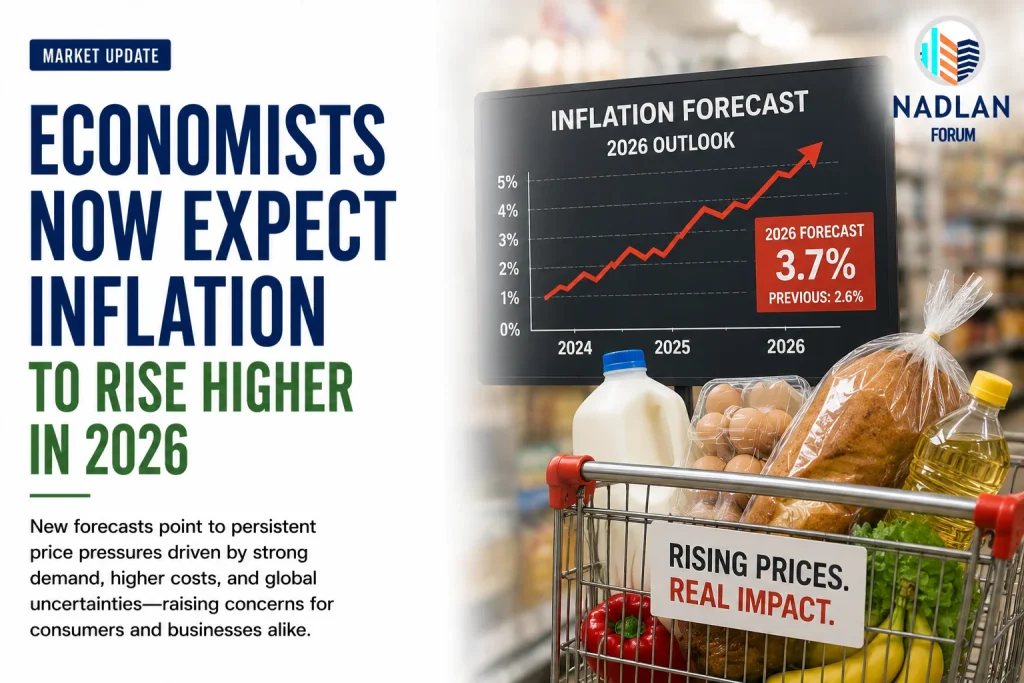
Inflation, at nearly 3%, is still well above the Fed’s 2% target, presenting a dilemma for policymakers. While inflation in some categories, such as energy and groceries, is being driven up by tariffs, broader price pressures appear to be more manageable. Still, the risk is that stagflation a combination of high inflation and stagnant economic growth could emerge, presenting a unique set of challenges.
As for the tariffs, they are being viewed as a short-term price shock. Historically, tariffs have led to temporary increases in the cost of goods, but they don’t typically contribute to long-term inflationary pressures. However, the persistence of these price hikes, coupled with slower job growth and weaker consumer spending, could create the conditions for prolonged inflationary impacts.
The Labor Market’s Role in the Inflation Picture
A major concern is the health of the labor market. Recent data reveals that jobless claims have risen to their highest level since October 2021, with Texas and other regions showing signs of potential labor market distortions due to the Labor Day holiday. However, even as unemployment claims tick upward, job creation has stalled. The U.S. economy added virtually no new jobs this year, which, combined with stagnant consumer demand, could prompt the Fed to reduce interest rates sooner than expected.
This stagnation in the labor market makes it harder for consumers to absorb higher prices, as wages are not growing fast enough to keep up with inflation. A weaker labor market also means that companies have less ability to raise prices without facing further demand destruction, making it a critical point for the Fed to consider as it shapes its policy response.
The Future Outlook: What’s Next for the Fed and Consumers?
Looking ahead, rate cuts seem increasingly likely. The market is already pricing in at least six quarter-point reductions by the end of 2026, as the Federal Reserve continues to navigate the delicate path between managing inflation and supporting economic growth. As tariff impacts gradually work their way through the economy, policymakers will have to assess whether the price increases are temporary shocks or a sign of longer-term shifts in pricing power.
In the meantime, consumers will continue to face higher costs for essential goods, and businesses will need to carefully manage pricing and wage expectations. The middle-class squeeze is real, and without strong job growth, it may continue to strain household finances.
Key Takeaways for Consumers and Policymakers:
- Tariffs are having a lasting impact on the cost of everyday goods, with clothing, automotive parts, and groceries seeing steady increases.
- Consumer spending is slowing as a result of these higher prices, which could lead to further economic stagnation.
- The Federal Reserve is likely to lower interest rates, but it must carefully weigh the stagflation risks caused by high inflation and weak job growth.
- Despite short-term price pressures, tariff-driven inflation is generally expected to be temporary, but persistent weakness in the labor market could make the economic landscape more challenging in the months ahead.
In conclusion, while tariffs continue to push up prices for key consumer goods, the Fed will likely prioritize supporting a struggling labor market with rate cuts. As the economy grapples with these forces, consumers should prepare for an environment where price hikes are more common, but economic recovery remains uncertain. For direct financing consultations or mortgage options for you visit 👉 Nadlan Capital Group.


















Responses