
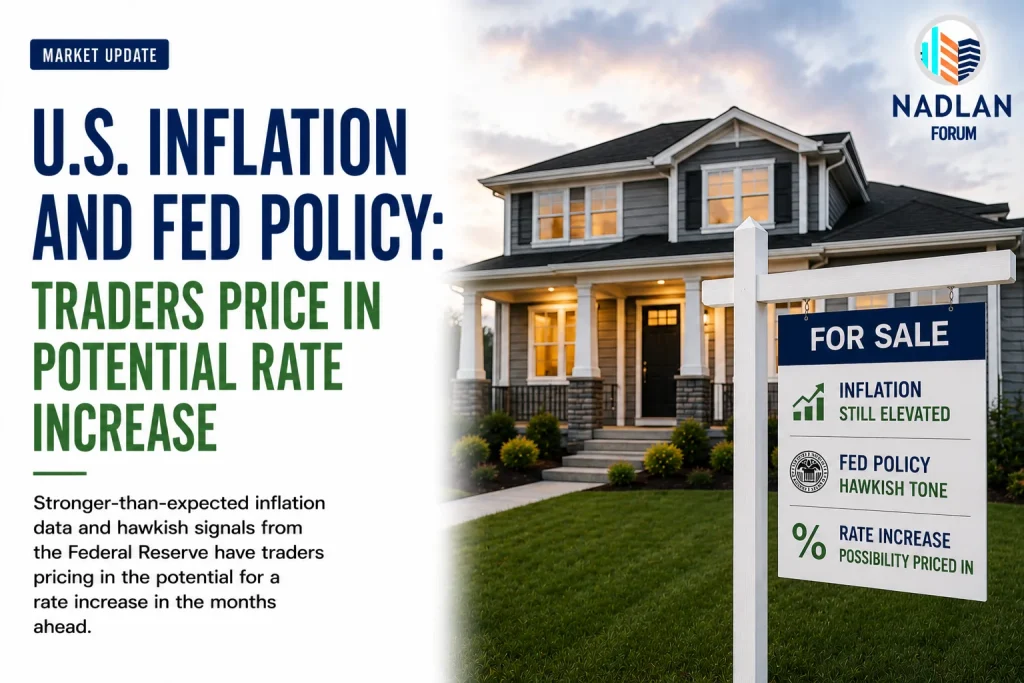
U.S. Inflation Forecasts Diverge: OECD Sees 4.2% While Fed Expects 2.7%

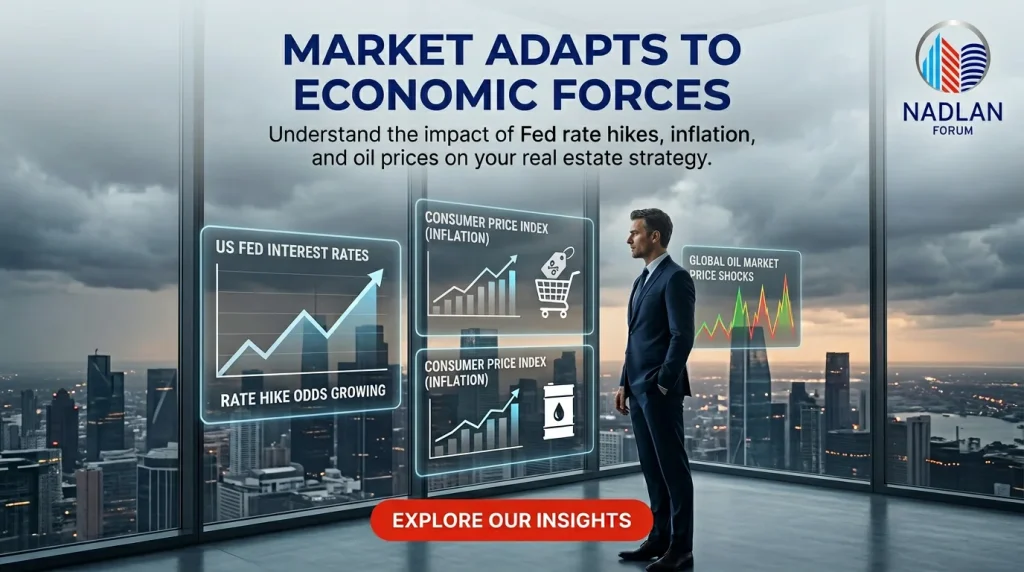
The Organization for Economic Cooperation and Development (OECD) has significantly revised its inflation forecast for the United States in 2026, predicting a sharp increase to 4.2%. This projection is notably higher than the Federal Reserve’s recent estimate of 2.7%. The forecast revision reflects growing concerns about inflationary pressures, driven by global events such as the ongoing war in the Middle East and the continued impact of U.S. tariffs.
In its latest update, the OECD warned that these factors could keep inflation elevated, potentially prompting policy changes by the Federal Reserve. While the OECD sees inflation slowing in the coming years, with a projected drop to 1.6% in 2027, the near-term outlook remains challenging.
Global Energy Prices and U.S. Tariffs Fuel Inflation
The sharp rise in the OECD’s U.S. inflation forecast is primarily attributed to two key factors: the escalating conflict in the Middle East and the persistent effects of U.S. tariffs. The war has led to a surge in global energy prices, which are significantly impacting consumer prices and business costs. According to the OECD, a prolonged period of higher energy prices could push inflation even higher, with adverse effects on economic growth.
Though U.S. tariffs have decreased from their peak, they continue to contribute to price increases, especially on imports. The combination of these factors has put pressure on the cost of goods and services, resulting in a higher inflation forecast than initially anticipated.
Fed’s Inflation Forecast Remains Below OECD Prediction
While the OECD has adjusted its U.S. inflation forecast to 4.2%, the Federal Reserve has maintained a more optimistic projection of 2.7% for this year. The difference between these forecasts highlights the uncertainty surrounding future inflation trends. The Federal Reserve, in its recent meeting, indicated that inflation concerns remain high, but it has kept its policy stance in check, anticipating a slight slowdown.
Despite the Fed’s more moderate outlook, the OECD remains cautious, emphasizing that policymakers, including the Fed and their global counterparts, need to stay vigilant to prevent inflation from becoming entrenched. The OECD’s report underscores the importance of balancing short-term inflationary pressures with long-term economic stability.
Core Inflation and GDP Projections
Looking beyond headline inflation, the OECD has projected core inflation, which excludes volatile energy and food prices, to remain at 2.8% for the U.S. in 2026. This is still above the Fed’s long-term target of 2%. However, the OECD expects core inflation to ease slightly to 2.4% by 2027.
In terms of economic growth, the OECD anticipates U.S. GDP will grow at a solid 2% rate in 2026, followed by a slight slowdown to 1.7% in 2027. While GDP growth is expected to decelerate, it still reflects a relatively strong economy despite the inflationary pressures.
Policy Adjustments May Be Needed If Inflation Remains High
The OECD cautioned that while the current rise in global energy prices can be somewhat “looked through” if inflation expectations remain well-anchored, broader price pressures or weak labor market conditions may require policy action. If inflation continues to persist at these elevated levels, the Federal Reserve may have to reconsider its current stance and make adjustments to its monetary policy.
The OECD’s report stresses the importance of maintaining flexibility in response to shifting economic conditions. With inflation remaining a key issue in 2026, central banks, including the Federal Reserve, will need to navigate a complex landscape that includes both inflationary threats and the potential for a slowdown in economic growth.
Economic Uncertainty and Recession Risks
Compounding the inflation challenges are growing concerns about a potential recession. Wall Street economists have raised the likelihood of a downturn in the coming months, with estimates ranging from a 30% to 50% chance. The OECD itself has projected a slowdown in global economic growth, partly due to the lingering effects of inflationary pressures and ongoing geopolitical instability.
Despite these risks, the OECD’s forecast suggests that the U.S. economy will continue to grow, albeit at a slower pace. The report expects GDP growth of 2% in 2026, followed by a deceleration to 1.7% in 2027. While the economy is projected to remain resilient, the risks associated with inflation and global uncertainty are creating a more challenging economic environment.
What This Means for Consumers and Policymakers
For consumers, the higher inflation forecast means that prices for goods and services could remain elevated throughout 2026. This will continue to strain household budgets, particularly for lower-income families who are most affected by rising costs. Additionally, the rising cost of energy and imports is likely to contribute to continued price hikes across many sectors.
For policymakers, the OECD’s warning highlights the need for vigilance in managing inflation while also supporting economic growth. The Federal Reserve may need to take further action to control inflation if these pressures persist, though it must balance this with the risk of economic slowdown.
Looking Ahead: Inflation and Economic Growth in 2027 and Beyond
The OECD predicts that U.S. inflation will drop significantly in 2027 to 1.6%, far below the Federal Reserve’s forecast of 2.2%. This expected decline in inflation reflects a broader economic trend, where inflationary pressures may subside as the effects of global energy price hikes and tariffs diminish. However, the path to this more favorable inflation environment remains uncertain, and the risks of stagflation or economic slowdown remain present.
For now, the U.S. faces a challenging economic landscape, with inflation staying high in the near term, while the long-term outlook suggests that economic growth and inflation may stabilize in the years to come. The Federal Reserve and global policymakers will need to navigate these risks carefully to ensure that inflation does not derail economic recovery efforts. For direct financing consultations or mortgage options for you visit 👉 Nadlan Capital Group.
















Responses