
What Will Shake Up Your Business More – The Market Or Taxes


#EntrepreneurOfTheWeek — Post 3
Let’s talk about taxes…
Or more precisely — about tax cash flow management.
It may sound a bit strange to talk about “managing” taxes,
but taxes never seem to arrive in sync with your business results or profits.
You finish 2024 with nice profits —
but the taxes are only due in April.
And for some, their accountant files the report only in July, October, or even November…
By that time, a lot has happened —
the money has already rolled into other projects, new collaterals, or necessary expenses.
So where’s the money now? 💸
And then what happens?
You either:
Take a loan to pay taxes (+ interest)
Withdraw money from a project (and risk it)
Or postpone the payment (+ fines and late interest)
It’s not that you’re not profitable —
it’s that you didn’t plan your tax payments properly in line with your overall operations.
The #1 challenge for developers and business owners alike:
You don’t set money aside for taxes.
Instead of planning and allocating tax funds,
every time there’s profit — it’s immediately reinvested in the next project.
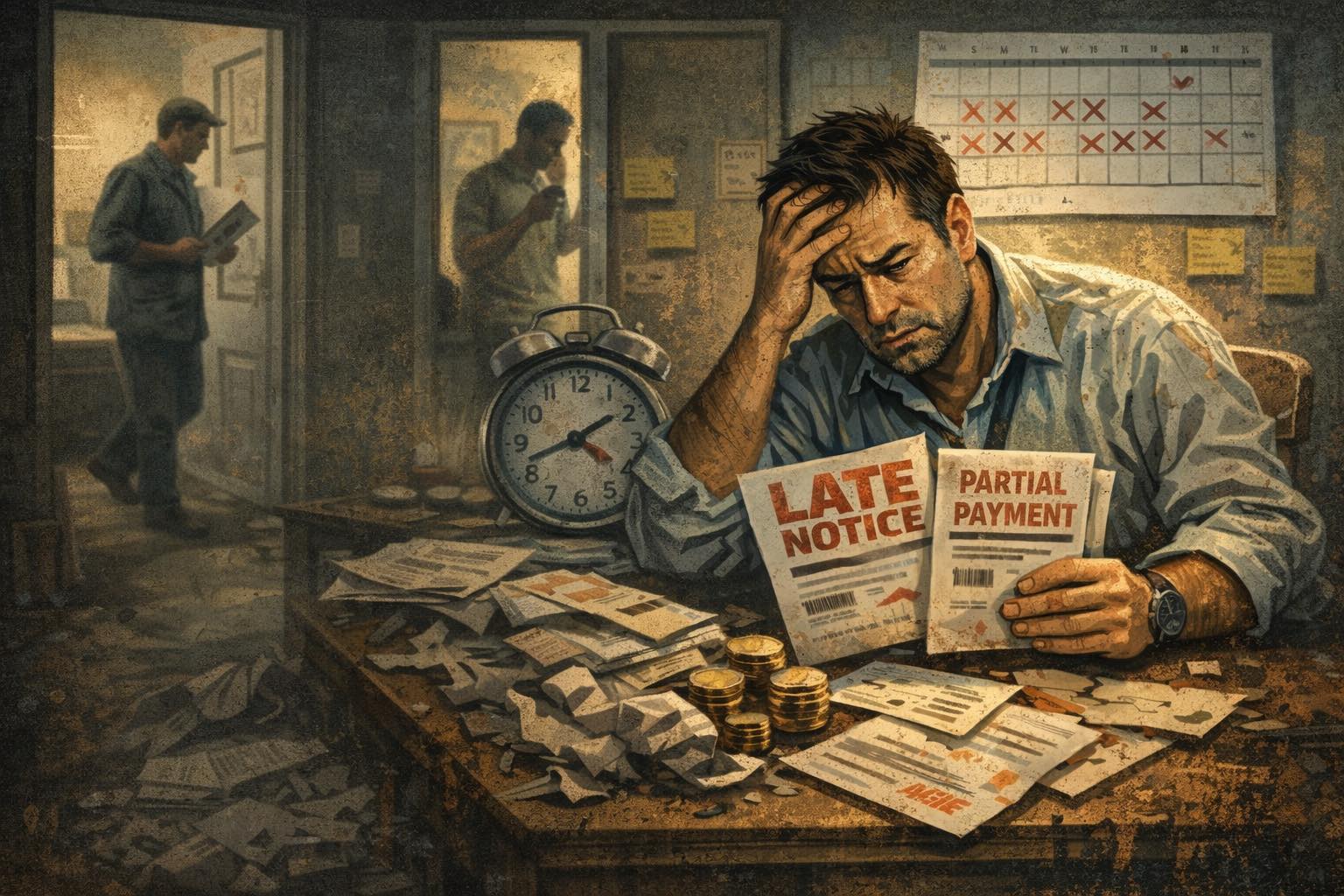
And then, when the tax bill comes — there’s no cash available.
No timing, no preparation.
Remember — tax planning isn’t only about paying less;
it’s also about not being surprised and running out of cash when taxes are due.
✅ What you can do
1. Stay on top of it (yes, I know it’s hard)
That’s why you need a financial professional by your side.
Every quarter, make sure your bookkeeping and CPA receive all the reports,
compare plan vs. actual performance,
and track profits in real time.
2. Set money aside for taxes
Run regular estimates and put money away —
it’s better to be over-prepared than short on cash later.
3. Plan payment schedules
Check whether it’s feasible to make quarterly or periodic advance payments.
Sometimes it’s smarter to plan ahead than to scramble later trying to find the money.
4. Tax optimization
This requires a bit more strategic thinking between projects.
Here are a few examples:
Timing of income recognition for tax purposes
Timing of expenses and their impact on taxable income
Evaluating the right legal structure
Using depreciation efficiently across your assets
All this, when planned in advance, will:
Leave more money in your pocket
Let you grow your business professionally
And give you peace of mind — no stress when tax season hits
The difference between a CPA and a CFO/Financial Advisor on taxes:
CPA (looks backward):
Prepares the annual report
Files the forms
Tells you how much you owe
Works after the year is over
Financial Advisor / CFO (looks forward):
Tracks your profits in real time (monthly or quarterly)
Calculates how much tax you’ll likely owe
Sets money aside accordingly
Plans moves for tax optimization
Works throughout the year
Where does this meet you?
How do you currently manage your taxes and cash flow?
The writer is a certified Israeli CPA and financial planner (CFP) specializing in financial planning for real estate entrepreneurs operating abroad.





















Responses