
U.S. Metro Growth Faces Threat as Immigration Slows

Population growth in many U.S. metropolitan areas is facing a new challenge this year: a steep decline in immigration. This slowdown poses risks for household formation and overall housing demand, particularly in large urban centers and regions outside the Sunbelt that have historically relied on international migration to sustain population and economic growth.
Traditionally, metro population growth is driven by three factors: net domestic migration, net international migration, and natural change (births minus deaths). However, with natural growth slowing and many metros experiencing domestic outflows, immigration has become a critical engine of population expansion. In 2024, immigration was the leading source of growth in nearly two-thirds of all metro areas, including almost every metro with more than one million residents. In roughly 40% of large metro areas, immigration alone prevented population decline. This support has now diminished sharply.
Regional Impacts: Winners and Losers
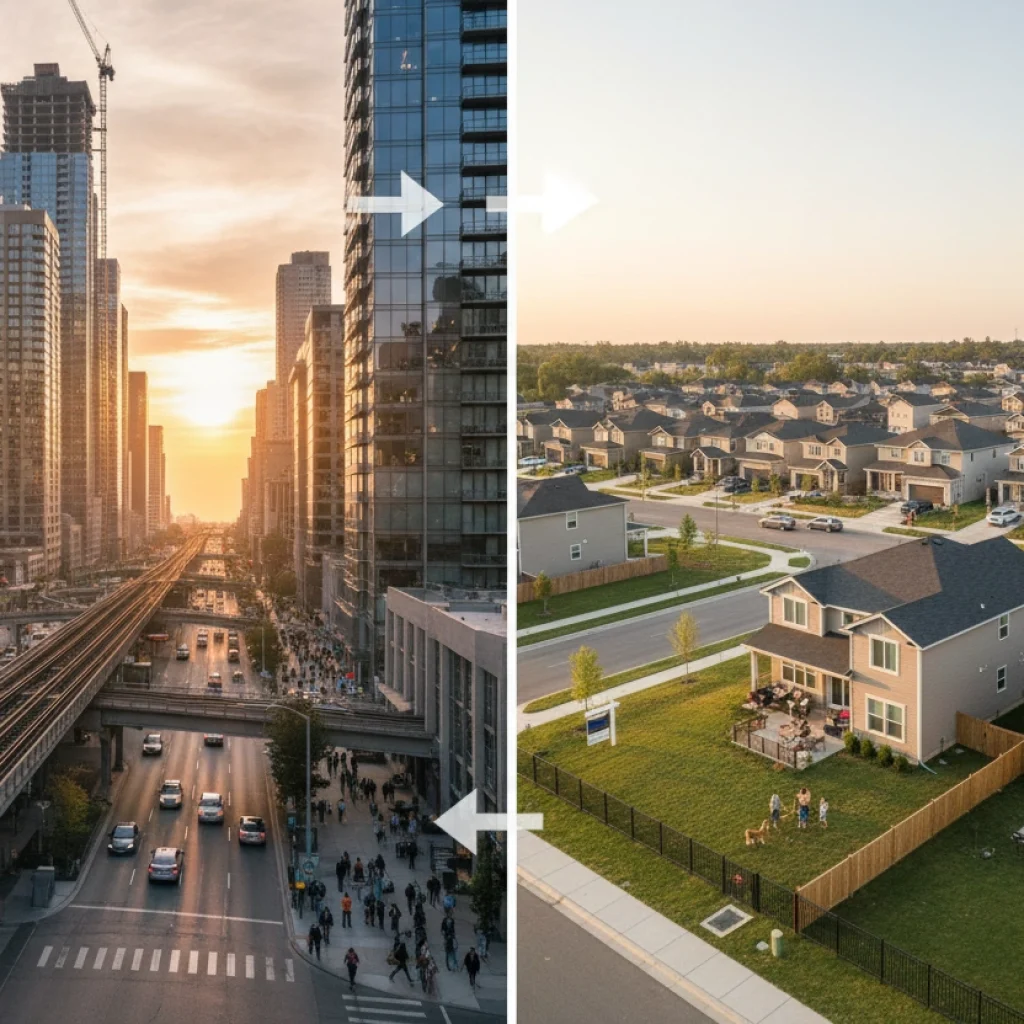
The slowdown will not affect all regions equally. Metro areas in the South remain relatively resilient, benefiting from both natural population growth and domestic migration inflows. Cities like Austin, Dallas, and Charlotte are likely to continue growing, even amid weaker international arrivals.
In contrast, metro regions in the Northeast, Midwest, and West many of which experienced net domestic outmigration in 2024 are far more vulnerable. Cities such as Chicago, Cleveland, and Philadelphia could see population stagnation or decline if international migration does not rebound. These areas have relied on immigrants not only to stabilize their populations but also to support local labor markets and economic activity.
Implications for Housing Markets
Falling immigration has direct consequences for housing demand. Lower population growth slows household formation, which reduces demand for both rental units and owner-occupied homes. According to projections from the Joint Center for Housing Studies, if immigration continues below historical averages while natural growth remains weak, household growth over the next decade could drop to levels not seen in modern U.S. history.
Large metros and regions outside the Sunbelt are expected to bear the brunt of these trends. Already contending with aging populations and domestic outmigration, these areas may face weaker housing markets, slower property value appreciation, and increased challenges in sustaining urban economic vitality. Developers and local governments may be forced to reassess housing construction plans, zoning policies, and infrastructure investments to adapt to slower growth.
Economic and Workforce Implications
Beyond housing, reduced immigration can strain metro economies. Immigrants often contribute disproportionately to labor markets, entrepreneurship, and innovation. Slower inflows could exacerbate skill shortages in key sectors such as healthcare, technology, and manufacturing, potentially slowing regional productivity. Cities that have relied on a steady stream of international talent to fill labor gaps may find businesses increasingly challenged to attract and retain workers.
Moreover, declining population growth can have long-term fiscal implications. Lower household formation translates into reduced property tax revenue, potentially constraining city budgets and public services. Urban economies that depend on population-driven consumption and housing activity may need to explore new economic development strategies to maintain growth.
Looking Ahead
While short-term fluctuations in immigration can create temporary slowdowns, sustained declines may require more strategic interventions. Policymakers, planners, and developers may need to focus on retaining residents, attracting domestic migrants, and expanding access to affordable housing to maintain urban vitality.
In essence, the slowdown in immigration underscores a growing vulnerability in many U.S. metros: population growth is no longer guaranteed. How cities respond through housing policy, economic incentives, and workforce development could determine whether they continue to thrive or gradually stagnate in the coming decade. For direct financing consultations or mortgage options for you visit 👉 Nadlan Capital Group.

























Responses