
Europe Considers Trade ‘Bazooka’ as Tensions With U.S. Escalate Over Greenland

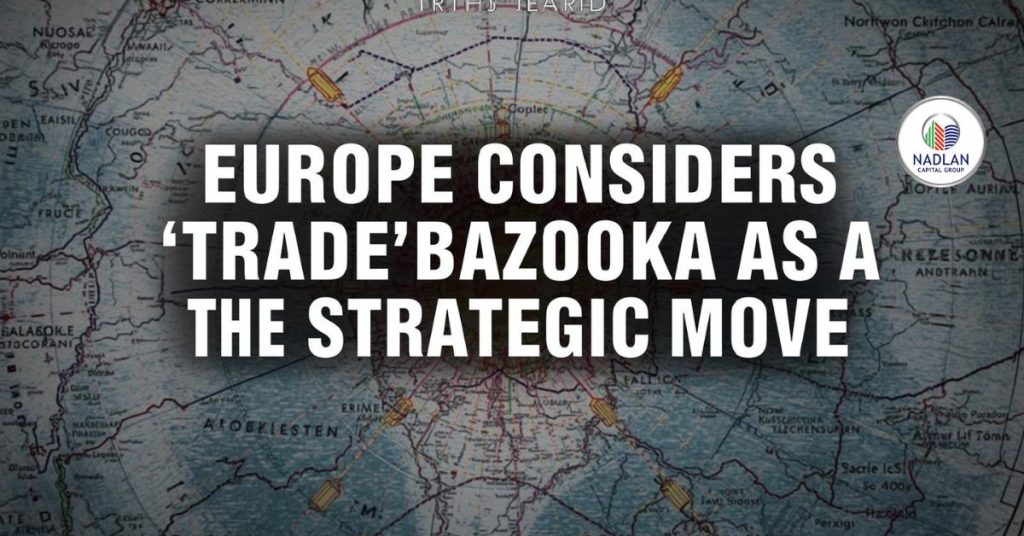
European governments are weighing strong economic countermeasures against the United States as tensions rise over President Donald Trump’s renewed push to acquire Greenland. The dispute has triggered emergency talks in Brussels and raised the possibility of a fresh transatlantic trade standoff.
The latest escalation came after Donald Trump warned that several European allies could face new tariffs unless they agree to negotiations allowing Washington to “buy” Greenland, a mineral-rich Arctic island that is a semi-autonomous part of Denmark.
Trump said tariffs would begin at 10% on Feb. 1 and climb to 25% by June 1 if no deal is reached. The proposed measures would apply to Denmark, Norway, Sweden, France, Germany, the United Kingdom, the Netherlands, and Finland, adding to existing export duties already in place.
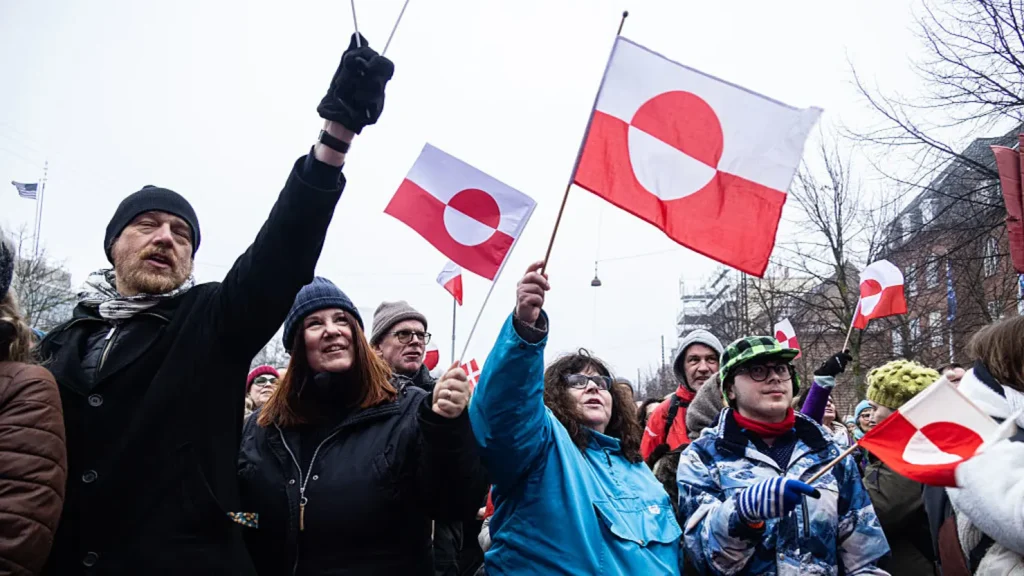
EU Discusses Strongest Economic Response
In response, European diplomats held an emergency meeting in Brussels on Sunday to discuss next steps. According to reports, France is urging the European Union to prepare its most powerful economic defense tool, known as the Anti-Coercion Instrument (ACI).
The ACI, sometimes called Europe’s “trade bazooka,” would allow the EU to restrict U.S. companies’ access to the European market. Possible actions include blocking American firms from public contracts, limiting imports and exports, and placing controls on foreign investment. While the tool exists, it has never been used before.
The European Union has so far signaled a preference for dialogue, but officials say they must also be ready to act if talks fail.
Tariffs and Trade Talks at Risk
The Financial Times reported that the EU is considering tariffs worth up to €93 billion ($108 billion). At the same time, Reuters said the European Parliament may delay its vote on an EU-U.S. trade agreement reached last summer. That vote was expected later this month and would have removed several EU import duties on U.S. goods.
French Finance Minister Roland Lescure said the EU “must be prepared” to use the anti-coercion mechanism. Other countries, including Germany, have traditionally taken a more cautious approach, given their strong export ties to the U.S.
Analysts say this divide reflects long-standing differences within Europe. France has often pushed for a more independent European stance, while Germany tends to prioritize stable trade relations.
Leaders Push Back, Diplomacy Continues
European leaders quickly criticized Trump’s tariff threat. U.K. Prime Minister Keir Starmer called the move “completely wrong,” while French President Emmanuel Macron described the proposal as unacceptable.
Despite the sharp words, officials are expected to seek talks with Trump during the World Economic Forum in Davos, Switzerland, where the U.S. president is scheduled to speak later this week.
Months of Uncertainty Ahead
Economists warn the standoff could drag on for months. Some believe the February tariff deadline may be delayed as negotiations continue, but others say the Greenland issue is different from past trade disputes.
Unlike earlier tariff threats, Europe’s position on Greenland is firm: the island is not for sale. Analysts caution that prolonged uncertainty could weigh on European economic growth and pressure financial markets.
For now, both sides appear headed toward a tense period of talks, with trade, diplomacy, and Arctic geopolitics increasingly intertwined. For direct financing consultations or mortgage options for you visit 👉 Nadlan Capital Group.















Responses