
Fed Split on December Rate Cut as Inflation and Jobs Pull Policymakers Apart

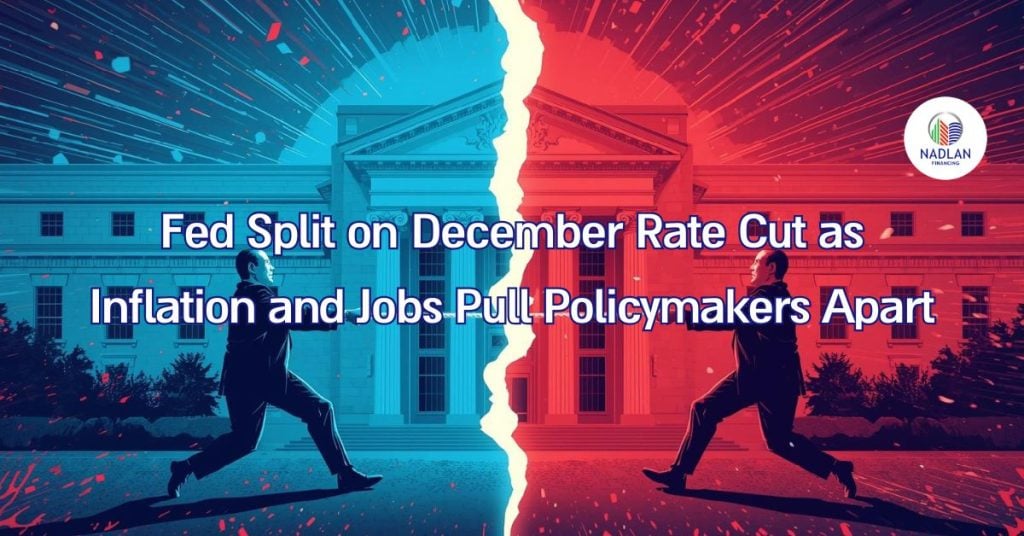
Minutes released from the Federal Reserve’s December policy meeting show just how close the decision to cut interest rates really was. While the final vote suggested a clear outcome, the discussion behind closed doors tells a different story one marked by sharp debate and uncertainty about what comes next.
The minutes from the December 9–10 meeting, published a day early due to the New Year holiday, show that officials were divided over how fast and how far rates should fall as inflation cools and the job market sends mixed signals.
A Narrowly Supported Decision
In the end, the Federal Open Market Committee approved a quarter-point rate cut by a 9–3 vote, lowering the federal funds rate to a range of 3.5% to 3.75%. It was the highest number of dissenting votes since 2019.
Most officials agreed that more rate cuts could be appropriate if inflation continues to move lower. Still, several policymakers stressed caution, noting that inflation progress has slowed and may not yet be on a clear path back to the Fed’s 2% target.
Debate Over What Comes Next
The minutes show that some officials who supported the cut viewed the decision as “finely balanced.” Others said they could have supported holding rates steady, reflecting concern that easing too quickly could stall progress on inflation.
Those favoring patience argued that rates may need to stay where they are for some time before any additional cuts. Their concern: inflation may prove more stubborn than expected, even if recent readings suggest gradual improvement.
Economic Signals Are Mixed
Officials broadly agreed that the economy is still growing at a moderate pace. Gross domestic product expanded at a strong 4.3% annual rate in the third quarter, beating forecasts and building on solid growth earlier in the year.
At the same time, the labor market is showing signs of strain. Layoffs remain limited, but hiring has slowed, raising concerns that job growth may not be strong enough to prevent unemployment from drifting higher in 2026.
Inflation, Tariffs, and Politics
Policymakers acknowledged that tariffs imposed under Donald Trump have added some pressure to prices. However, most agreed those effects are likely temporary and should fade by 2026.
The committee’s updated Summary of Economic Projections, including the closely watched “dot plot,” showed officials still expect additional rate cuts over the next two years. If those cuts materialize, the policy rate could move closer to 3%, a level many see as neutral for economic growth.
Markets Watching Closely
After the minutes were released, markets showed only modest reaction. Still, traders slightly increased bets that another rate cut could arrive as early as April, reflecting uncertainty about how quickly the Fed may act again.
The minutes also flagged concerns about liquidity in the banking system. Without changes to the Fed’s balance sheet policy, officials warned reserves could fall below levels considered “ample,” potentially creating stress in financial markets.
What It Means for 2026
The December meeting made one thing clear: future rate decisions will not be easy. With inflation still above target, hiring slowing, and economic data delayed by the government shutdown, policymakers are navigating with incomplete information.
As 2026 begins, the Fed appears committed to flexibility—but divided on speed. That split suggests interest rate moves next year may come more cautiously than markets hope, and only as new data brings clearer direction. For direct financing consultations or mortgage options for you visit 👉 Nadlan Capital Group.
























Responses