
The Great Flip: Renting Now Beats Buying Across Nearly Every U.S. Metro


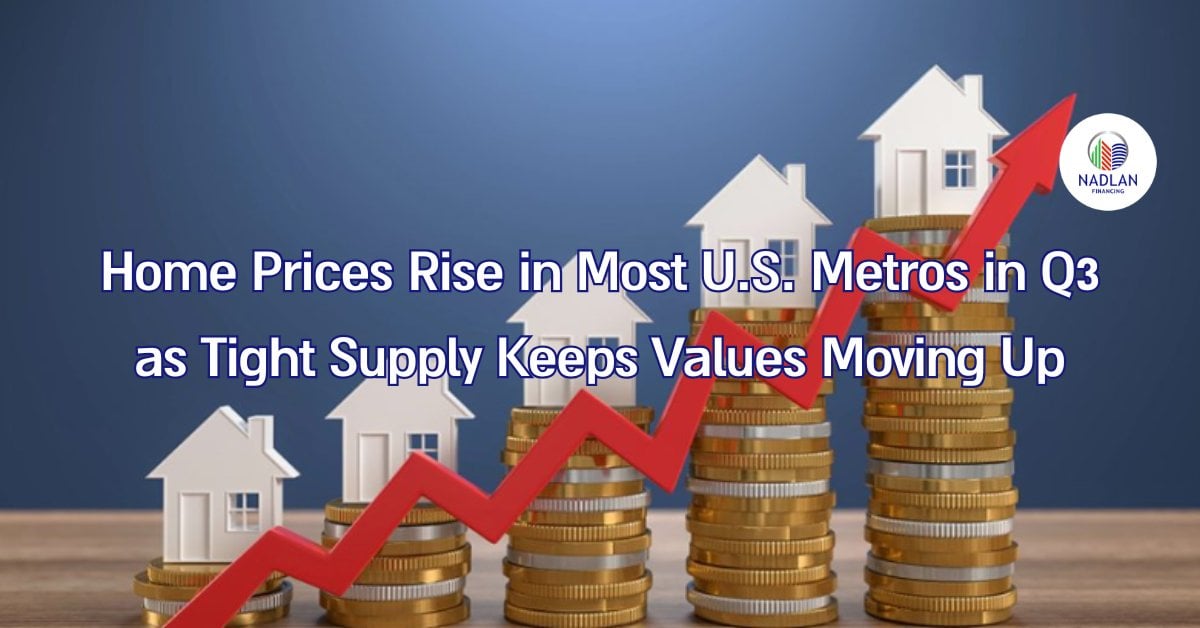
The American housing market has experienced a stunning reversal in just a few short years one that’s rewriting the rules of what it means to achieve the “American Dream.” New nationwide research shows that between 2021 and 2025, 39 of the 50 largest U.S. metropolitan areas transitioned from being more affordable to buy a home to being far cheaper to rent.
Once a reliable path to financial security, homeownership has become a stretch—if not an impossibility for millions of middle-income families. What used to be a cornerstone of wealth-building is now, for many, a long-term financial burden.
From Buying Advantage to Renting Reality
Back in 2021, when mortgage rates hovered near historic lows and home prices were rising but still manageable, buying typically made more financial sense than renting. Most large U.S. metros offered what economists called a “buying advantage” monthly mortgage payments were lower than average rents, allowing homeowners to build equity at a similar or lower cost.
Fast-forward to 2025, and that picture has completely flipped. Nationwide, the average buy-versus-rent gap swung from –7% in 2021 (favoring buyers) to +53% in 2025, meaning that renting now costs dramatically less than owning a comparable property. In every major market from bustling coastal hubs to previously affordable midwestern cities renting has emerged as the cheaper and more flexible choice.
This turnaround reflects the perfect storm of soaring mortgage rates, runaway home price appreciation, and stagnant wage growth. As borrowing costs have surged and housing supply remains tight, the traditional economic logic of homeownership has been upended.
Markets Hit Hardest
Some cities have been hit harder than others. Miami, one of the most competitive housing markets in the country, has seen mortgage payments surge over 200% since 2021, compared with only a 40% rise in rents. Similarly, Oklahoma City and Kansas City markets long known for affordability recorded mortgage cost increases of 167% and 128%, effectively erasing the buying advantage they once had.
The situation is even more extreme in coastal and tech-heavy metros like San Francisco, San Jose, Seattle, and Denver. In San Francisco, the average monthly mortgage payment skyrocketed from roughly $4,400 in 2021 to nearly $8,900 in 2025, while rents climbed only modestly. In San Jose, homeownership now costs nearly double what it would to rent an equivalent property.
“Even families with solid incomes are being priced out,” said one housing economist. “For many, renting isn’t just the easier option it’s the only realistic one.”
The New Economics of Housing
The shift from buying to renting isn’t just about affordability it’s about fundamental changes in the economics of homeownership. The Federal Reserve’s aggressive interest rate hikes between 2022 and 2024 drove the average 30-year mortgage rate from below 3% to above 6%. Meanwhile, home prices jumped more than 45% nationally during the same period, fueled by low inventory and high demand.
For a typical middle-class household, that’s translated into mortgage payments that are hundreds or even thousands of dollars higher per month than a comparable rental. The math simply doesn’t work anymore: even as rents have climbed, buying costs have soared much faster.
Some prospective buyers have resorted to smaller down payments, variable-rate loans, or even co-buying arrangements to make ownership possible. Others are choosing to delay buying entirely, instead renting longer while saving or hoping for a future market correction.
A Generational Divide
The implications of this trend reach far beyond the housing market. Experts warn that the growing divide between those who bought before the pandemic and those entering the market now is creating a new kind of wealth gap.
Homeowners who purchased before 2022 are sitting on record amounts of home equity and historically low mortgage rates, giving them an enormous financial cushion. By contrast, younger buyers face record-high entry costs and fewer paths toward long-term wealth accumulation.
“For older homeowners, this housing cycle has been a windfall,” said a real estate researcher at Harvard’s Joint Center for Housing Studies. “But for millennials and Gen Z buyers, the dream of owning a home feels further away than ever.”
As more households remain renters well into their 30s and 40s, economists worry that traditional financial milestones such as family formation, retirement savings, and intergenerational wealth transfer could be delayed or disrupted.
The Broader Market Outlook
The long-term consequences of the rent-vs-buy flip could reshape not just the housing market but American financial culture as a whole. With homeownership rates declining and rental demand soaring, developers and investors are racing to build more rental housing particularly build-to-rent single-family communities, a fast-growing segment aimed at middle-income families priced out of ownership.
However, the shift also raises concerns about the future of housing stability and generational wealth-building. Renting provides flexibility but doesn’t offer the same wealth accumulation or protection against inflation that ownership traditionally has.
Unless there’s a significant correction in home prices or a substantial drop in mortgage rates, analysts believe the current rent-first reality could persist well into the late 2020s. Even if rates ease slightly, many expect affordability to remain strained, especially in cities where supply shortages are chronic.
The Bottom Line
The great housing flip of the 2020s marks a fundamental transformation in how Americans think about where and how they live. For the first time in modern history, renting has become the financially smarter option across nearly every major metro area, a trend that challenges long-held beliefs about homeownership as the ultimate goal.
“Renting used to be seen as temporary, a stepping stone toward buying a home,” said one market analyst. “But in today’s market, it’s increasingly a lifestyle choice and for many, a financial necessity.”
As the dust settles, one thing is clear: the traditional math of homeownership no longer adds up. Until borrowing costs fall or wages catch up with prices, the dream of buying a home will remain out of reach for millions and renting, for now, is winning the American housing game. For direct financing consultations or mortgage options for you visit 👉 Nadlan Capital Group.




















Responses