
Powell’s Post-May Future at the Fed Remains Unclear as 2026 Begins

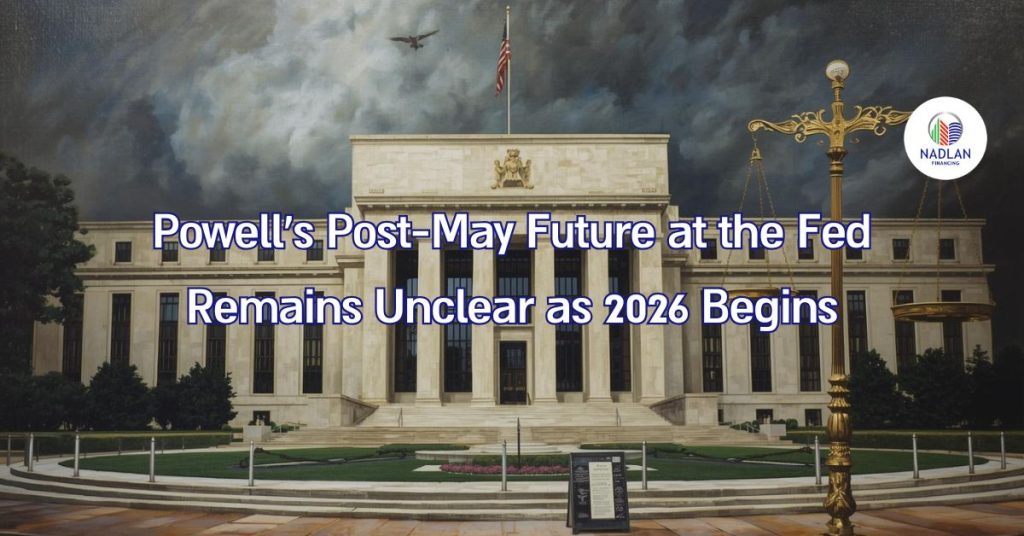
As 2026 gets underway, one of the biggest unanswered questions in Washington and on Wall Street is what comes next for Jerome Powell once his term as Federal Reserve chair ends in May.
So far, Powell is not giving any hints.
“I’m focused on my remaining time as chair,” Powell said during a December press conference. “I don’t have anything new to share on that.”
According to CNBC, Powell’s silence has only fueled speculation across financial markets, government agencies, and political circles about whether he will stay on as a Fed governor or step away entirely.
Why Powell’s Decision Matters
Powell’s choice carries weight far beyond his own career plans. At issue is the future makeup of the Federal Open Market Committee and the balance of power on the Federal Reserve’s Board of Governors.
Fed watchers are closely tracking how many board seats President Donald Trump could potentially fill in 2026. Administration officials are reportedly trying to map out which seats may open, when they could open, and how that might shift the direction of interest rate policy.
If Powell leaves the Fed altogether when his chair term ends, Trump would immediately gain the opportunity to appoint another governor, potentially giving his appointees a clear majority on the seven-member board.
A Personal vs. Professional Crossroads
Observers interviewed by CNBC describe Powell’s decision as a difficult one that blends personal priorities with professional responsibility.
On a personal level, Powell has spent more than 13 years at the Federal Reserve, including eight years as chair. Outside of work, he is known as an avid golfer, guitar player, and relatively new grandfather. Many believe he may be ready to step away from public service and return to private life.
Professionally, however, Powell is widely seen as deeply committed to the Fed’s independence. During his tenure, he faced repeated public pressure from Trump to cut interest rates more aggressively. The president has made it clear that future Fed leadership must align closely with his views on lower rates.
That tension has led some observers to believe Powell may feel a responsibility to remain on the board, even if only briefly, to help preserve institutional stability.
What History Tells Us
Historically, it would be unusual for Powell to stay on. CNBC notes that only one former Fed chair—Marriner Eccles—remained as a governor after his chair term ended, back in 1948. Most chairs step down entirely once their leadership role concludes.
Most Fed watchers interviewed expect Powell to leave when his term as chair ends. Still, none are completely ruling out the possibility that he could remain for a short period, especially if he believes his presence could help protect the Fed’s independence.
Why the Numbers Matter
Currently, three of the seven governors are Trump appointees. If Powell departs, that number could quickly rise to a majority. If those governors were to vote together, it could significantly increase pressure for faster and deeper rate cuts.
CNBC also points out a more controversial concern: under the Federal Reserve Act, a board majority may have the authority to remove regional bank presidents who oppose certain policy decisions. While it is unclear whether such actions could happen without cause, Powell staying on even in the minority could act as a stabilizing force against extreme outcomes.
For Now, Silence
For the moment, Powell is saying nothing and focusing on his remaining months as chair. But behind the scenes, his decision is already shaping expectations about interest rates, Fed independence, and the future direction of U.S. monetary policy.
Until Powell speaks clearly about his plans, the question of his future at the Fed remains one of the most important unknowns heading into the second half of 2026. For direct financing consultations or mortgage options for you visit 👉 Nadlan Capital Group.


















Responses