
January CPI Report Shows Inflation Cools to 2.4%, Below Expectations

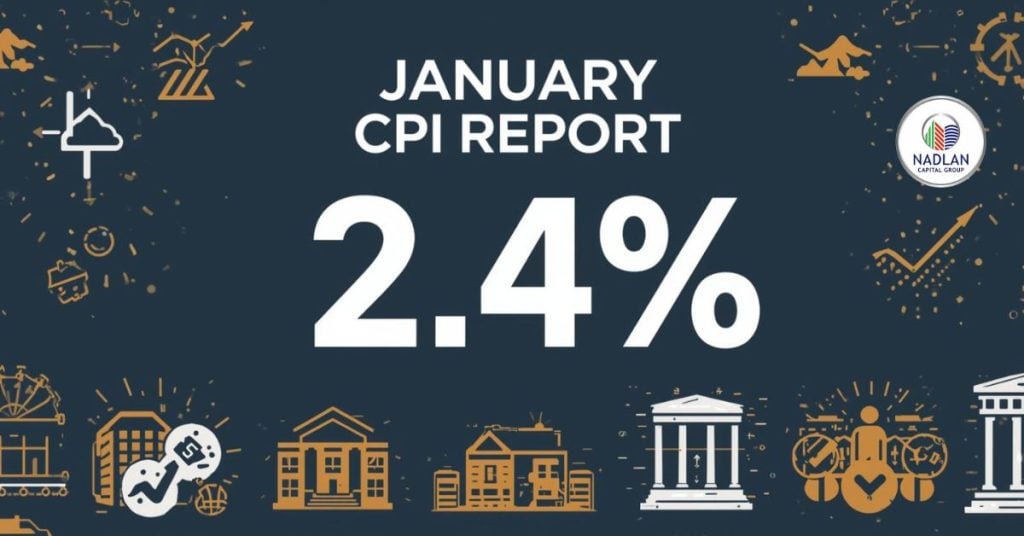
Inflation eased more than expected in January, offering some relief to consumers and policymakers. According to the latest data from the Bureau of Labor Statistics (BLS), the consumer price index rose 2.4% from a year earlier. That was slightly below forecasts and down from December’s reading.
The January CPI inflation report 2026 suggests that price growth is moving closer to the Federal Reserve’s long-term 2% target, even as parts of the economy remain strong.
Headline and Core Inflation Trends
The all-items CPI increased 2.4% year over year, compared with 2.7% in December. Economists had expected inflation to come in at 2.5%.
Core CPI, which excludes food and energy, rose 2.5% annually. That matched expectations but still showed moderation compared with prior months.
On a monthly basis:
- Headline CPI rose 0.2%
- Core CPI increased 0.3%
Both readings were either in line with or slightly below forecasts, signaling that inflation pressures are not accelerating at the start of 2026.
Shelter Costs Continue to Cool
Housing remains one of the largest components of inflation. In January, shelter costs increased 0.2% for the month. On a yearly basis, housing inflation slowed to 3%.
Since shelter makes up more than one-third of the CPI calculation, this slower growth helped pull the overall index lower.
Rent and housing-related costs had been a major driver of inflation in recent years. A steady decline in shelter inflation suggests that housing pressures are gradually easing.
Food and Energy Move in Opposite Directions
Food prices increased 0.2% in January, with most grocery categories posting gains. While food inflation remains elevated compared with pre-pandemic levels, the pace of increases has slowed.
Energy prices, on the other hand, declined 1.5% for the month. Lower gasoline and fuel costs played a key role in pulling down the headline number.
Vehicle prices were also stable:
- New vehicle prices rose 0.1%
- Used car and truck prices fell 1.8%
These softer readings in goods categories helped offset modest increases in services.
Market Reaction and Fed Outlook
Financial markets responded calmly to the report. Stock futures showed little change, while Treasury yields moved lower following the data release.
Lower bond yields often reflect expectations that inflation is cooling and that interest rates may not need to stay elevated for as long.
Some economists noted that January inflation readings in recent years have often surprised to the upside due to seasonal factors. This year’s more moderate result may signal that pandemic-related pricing distortions and tariff effects are fading.
What This Means for Interest Rates
The Federal Reserve has kept inflation as its top priority, aiming to return price growth to 2%. While inflation is still slightly above that goal, the trend has clearly slowed.
Futures markets now reflect stronger expectations that the Fed could begin cutting rates later this year, possibly by mid-2026.
However, the economic picture remains mixed:
- Fourth-quarter GDP growth has been strong
- Consumer spending held up through most of 2025
- The labor market has slowed but remains stable
Because of these mixed signals, policymakers are likely to proceed carefully before making additional rate cuts.
Tariffs and Inflation Impact
When tariffs were introduced in 2025, many economists expected broader price increases. So far, the impact appears concentrated in certain goods categories such as furniture and appliances.
Broader consumer costs like rent, gas, and groceries are not accelerating sharply. That has helped prevent another inflation surge.
Some analysts believe tariff-driven price effects have largely worked their way through the system, reducing the risk of renewed inflation spikes.
Broader Economic Outlook
Treasury Secretary Scott Bessent recently pointed to strong investment activity and improved supply conditions as factors that could help inflation return fully to target levels later this year.
At the same time, policymakers remain cautious. Inflation has improved, but it has not fully returned to pre-pandemic norms.
The January CPI inflation report 2026 reinforces the idea that price pressures are easing, though slowly. For households, that may mean modest relief in everyday expenses. For markets, it increases the chance that borrowing costs could decline later this year.
For now, inflation appears to be cooling without major disruption to economic growth — a balance the Federal Reserve has been trying to achieve. For direct financing consultations or mortgage options for you visit 👉 Nadlan Capital Group.



















Responses