
Cooling Core Inflation Gives the Fed Breathing Room — But Rate Cuts Still Look Distant

December’s inflation report offered markets a familiar mix of relief and restraint. Core consumer prices rose less than expected, reinforcing the idea that inflation is gradually easing. But the data also showed that price pressures particularly in housing and services remain stubborn enough to keep the Federal Reserve on hold.
For borrowers, investors, and policymakers, the message was clear: progress is real, but not decisive. The path back to the Fed’s 2% target is taking longer than many hoped, and patience remains the guiding principle.
So, is this the report that finally clears the way for lower rates or just another reminder that inflation’s last mile is the hardest?
What December’s CPI report showed
- Core CPI rose 0.2% month over month and 2.6% year over year, both slightly below expectations.
- Headline CPI increased 0.3% for the month, with the annual rate at 2.7%, matching forecasts.
- Shelter costs rose 0.4% in December and are up 3.2% annually, remaining the largest inflation contributor.
- Food prices jumped 0.7%, though egg prices fell sharply.
- Energy prices rose modestly, while gasoline declined.
- Markets expect the Fed to hold rates steady and delay cuts until at least June.
These figures reinforce a slowing trend — but not a clear victory over inflation.
Core inflation slows — and that matters most to the Fed
The Federal Reserve pays close attention to core inflation because it strips out volatile food and energy prices. December’s numbers showed core CPI rising at a 2.6% annual pace, below expectations and the slowest pace in months.
The data was released by the Bureau of Labor Statistics, and it strengthened the case that inflation is no longer accelerating. However, it remains above the Fed’s 2% target.
Fed officials view core inflation as a long-term signal rather than a month-to-month guide. From that perspective, December was encouraging but not conclusive.
Is inflation cooling fast enough to justify easier policy?
Headline inflation aligns with forecasts
On a headline basis, prices increased exactly as economists expected. The all-items CPI rose 0.3% in December, bringing the annual rate to 2.7%.
That consistency reassured markets that inflation is not reaccelerating. Still, it also confirmed that progress has slowed, particularly in categories tied to services and housing.
Markets reacted calmly. Stock futures edged higher briefly, Treasury yields fell, and expectations for Fed policy remained largely unchanged.
Shelter costs remain the biggest obstacle
Housing-related costs once again stood out as the most persistent inflation driver. Shelter prices rose 0.4% in December and now account for more than one-third of the CPI basket.
Despite easing rent growth in some private market measures, official inflation data continues to reflect elevated housing costs. This lag is well known, but it still complicates the Fed’s task.
Until shelter inflation meaningfully cools, policymakers are unlikely to declare mission accomplished.
Can inflation fall to 2% without relief on housing?
Food prices surge — but not across the board
Food prices jumped 0.7% in December, adding pressure to household budgets. However, the increase masked significant variation beneath the surface.
Egg prices fell 8.2% for the month and are down nearly 21% from a year ago after last year’s sharp spike. Other grocery categories, meanwhile, continued to rise.
For consumers, this uneven pattern highlights why inflation often feels worse than the averages suggest.
Energy prices show mixed signals
Energy prices rose 0.3% in December and are up 2.3% from a year ago. Gasoline prices, however, declined both monthly and annually.
This mixed picture helped keep headline inflation in check, but energy remains a potential wildcard depending on global supply conditions and geopolitical risks.
Tariffs, goods, and early signs of deflation
Some tariff-sensitive categories, such as apparel, saw price increases. However, household furnishings fell 0.5% after President Donald Trump backed away from proposed tariff hikes in that sector.
Several goods categories showed outright deflation. Used car prices dropped 1.1%, communication services fell 1.9%, and new vehicle prices were flat.
These declines suggest that goods inflation is no longer a major threat a notable shift from the post-pandemic surge.
A record jump in recreation prices
One of the more surprising data points came from recreation prices, which jumped 1.2% in December. According to the BLS, it was the largest monthly increase on record going back to 1993.
This reinforces a broader theme: while goods prices cool, services inflation remains sticky.
Markets still expect the Fed to wait
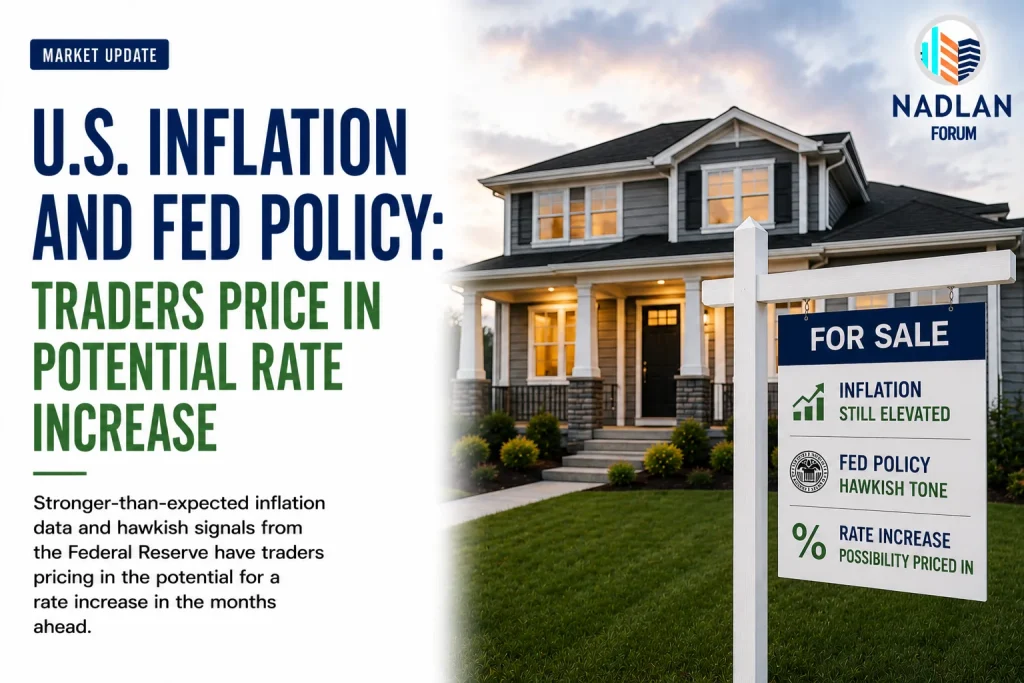
Despite the softer core reading, traders did not meaningfully change their expectations for interest rate cuts. According to the CME Group FedWatch tool, markets continue to expect the Fed to stay on hold at its next meeting and delay any rate cuts until June.
That outlook reflects caution. Policymakers want to see sustained progress before easing financial conditions again.
Political pressure returns to the spotlight
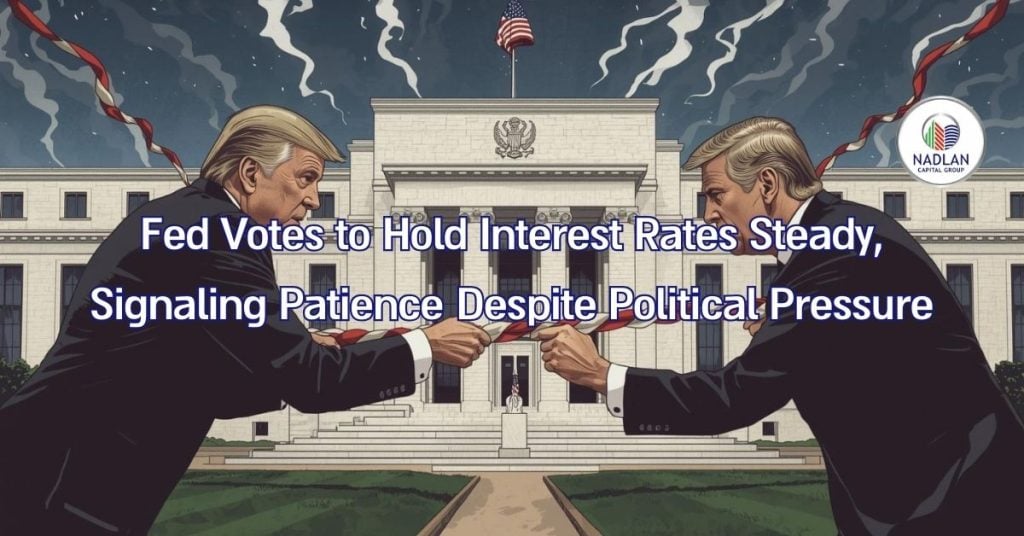
The CPI report also reignited political debate. President Trump used the data to renew calls for immediate rate cuts, criticizing Fed Chair Jerome Powell for moving too slowly.
While such statements grab headlines, Fed officials emphasize their independence and focus on long-term economic stability rather than short-term political pressure.
What economists are saying
Economists broadly agree that the report supports a “wait-and-see” approach.
Ellen Zentner of Morgan Stanley Wealth Management summarized the situation bluntly: inflation is easing, but not fast enough to justify near-term cuts. Housing affordability remains tight, and tariff effects, while modest, add uncertainty.
The consensus view is that the Fed needs more time and more data.
What this means for investors/borrowers
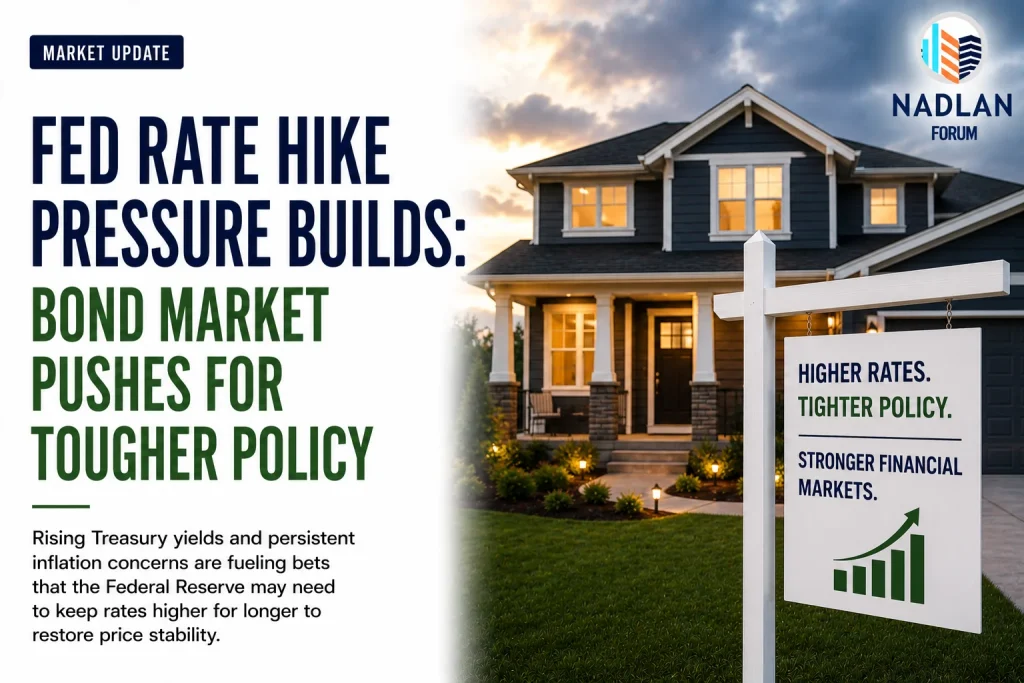
For investors, December’s inflation report reinforces a familiar theme: stability, not stimulus. Markets are unlikely to see rapid rate cuts in early 2026, which supports a higher-for-longer interest rate environment.
Bond investors may benefit from declining yields if inflation continues to ease gradually. Equity investors should expect rate policy to remain a background constraint rather than a catalyst.
For borrowers, especially in real estate and business lending, patience remains key. Mortgage rates may drift lower over time, but meaningful relief likely depends on sustained cooling in shelter inflation.
If you’re planning financing decisions this year, locking in assumptions based on gradual improvement — rather than aggressive cuts may prove wiser.
Conclusion: Progress without celebration
December’s inflation data delivered encouraging signs that price pressures are easing, particularly at the core level. But the report also underscored why the Federal Reserve remains cautious.
Housing costs are still elevated. Services inflation persists. And while goods prices are cooling, the overall picture doesn’t yet justify a policy pivot.
Inflation may be moving in the right direction — just not fast enough to change the Fed’s playbook.
What’s your take? Does this report bring the Fed closer to cutting rates, or confirm that higher borrowing costs are here to stay longer? Share your thoughts with Nadlan Capital Group and join the discussion.
















Responses