
US Housing Cost Pressure: Escrow Increases and Mortgage Delinquencies Explained


Rising escrow payments for property taxes and homeowners insurance are placing growing financial pressure on homeowners across the United States. A recent report from housing data firm Cotality shows that sharp increases in these costs are contributing to a rise in mortgage delinquencies in several states.
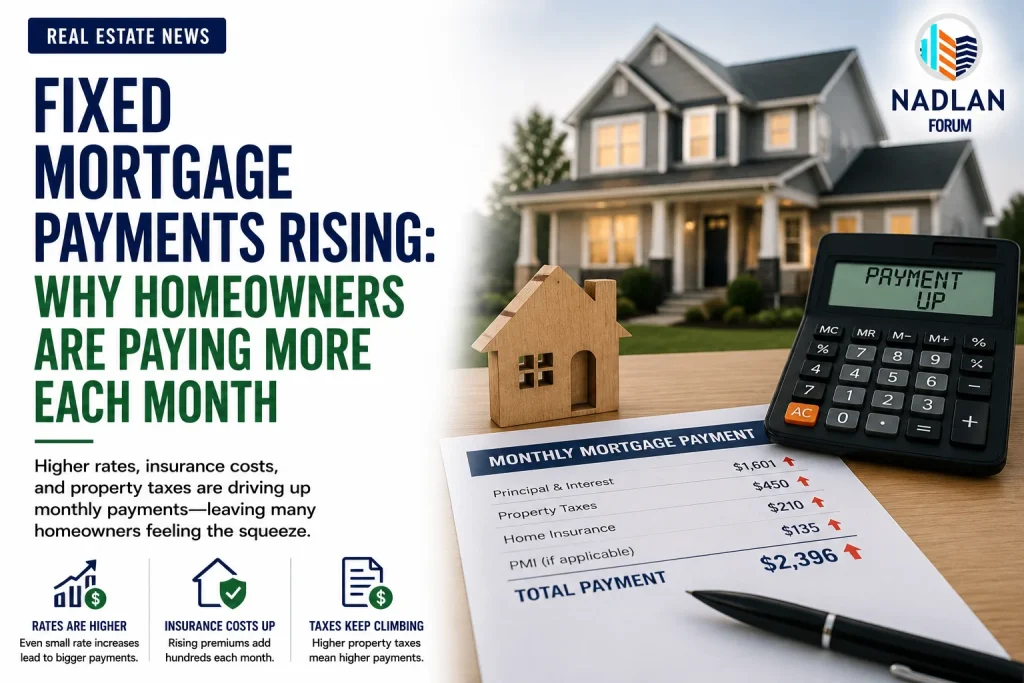
Escrow accounts are commonly used by mortgage lenders to collect funds for property taxes and insurance premiums as part of a borrower’s monthly mortgage payment. While these accounts help ensure that taxes and insurance are paid on time, rapid increases in those costs can significantly raise the total monthly payment for homeowners.
According to the report, the jump in escrow expenses over the past few years has become one of the factors pushing some borrowers closer to financial strain.
Escrow Payments Have Risen Rapidly Since 2019
The study found that escrow payments have increased sharply in many states since 2019, with some areas experiencing particularly large jumps.
Colorado and Florida recorded some of the largest increases, where escrow payments have risen 77% and 70%, respectively, over the past five years.
Other states experiencing steep growth include:
- Wyoming: 66% increase
- South Dakota: 65% increase
- Montana: 64% increase
- Louisiana: 63% increase
- Alabama: 62% increase
- Georgia: 58% increase
- North Carolina: 56% increase
- Indiana: 56% increase
While the increases vary by state, the trend is widespread. Across the United States, homeowners are paying about 45% more in escrow costs today compared with five years ago.
This rise has made homeownership more expensive even for borrowers who locked in low mortgage rates several years ago.
Property Taxes Are Increasing in Many Areas
A major reason escrow payments are rising is the steady increase in property tax bills.
Property taxes often increase when home values rise, because many local governments reassess property values and adjust tax obligations accordingly.
Data from Cotality shows that property tax bills are now about 15.4% higher than they were before the pandemic.
In some states, the increases have been even more noticeable. Regions such as Wyoming, South Dakota, and Kansas have seen double-digit growth in home prices since 2019, which has pushed tax assessments higher.
The pandemic housing boom played a large role in this trend. During the surge in home buying between 2020 and 2022, property values in many markets increased dramatically.
In certain areas, home prices doubled or even tripled within a few years. As property values rose, property tax bills followed.
Insurance Premiums Also Driving Escrow Higher
Another factor behind rising escrow payments is the increase in homeowners insurance premiums.
Insurance companies across the country have raised prices to cover the growing cost of natural disasters. Events such as wildfires, hurricanes, floods, and severe storms have led to larger claims and higher risk levels for insurers.
The impact has been particularly visible in states prone to climate-related events, including Florida, California, and parts of the Gulf Coast.
When insurance premiums increase, lenders must adjust escrow accounts to ensure enough funds are available to pay the higher policy cost. This adjustment directly increases the homeowner’s monthly mortgage payment.
Escrow Now Makes Up a Larger Share of Housing Costs
For many homeowners, escrow payments now represent a significant portion of their total housing expense.
In some states, property taxes and insurance combined can account for nearly 40% to 45% of a homeowner’s monthly mortgage payment.
When such a large share of a monthly payment is tied to taxes and insurance, even moderate increases can create financial pressure.
For borrowers living on fixed incomes or tight budgets, the higher costs can be difficult to absorb. This has become a growing concern for older homeowners and first-time buyers who may already be managing other expenses.
Financial Pressure on New and Existing Homeowners
Housing experts say rising escrow costs are affecting both potential homebuyers and people who already own homes.
Higher monthly payments can make it harder for buyers to qualify for a mortgage, especially when lenders calculate affordability using debt-to-income ratios.
For existing homeowners, sudden increases in escrow payments can create unexpected financial challenges.
Borrowers who purchased homes several years ago with manageable payments may now face higher costs due to rising taxes and insurance premiums.
This change can reduce financial flexibility and, in some cases, push households toward missed payments.
Technology Could Help Detect Delinquency Risk Earlier
Some housing industry experts believe technology could help lenders identify borrowers at risk before payment problems occur.
Advanced risk models using artificial intelligence could analyze several data points, including:
- Property tax assessment trends
- Insurance renewal price changes
- Local climate risk indicators
- Housing market price trends
By monitoring these factors, lenders may be able to predict when escrow payments are likely to rise significantly.
Early alerts could allow lenders to notify borrowers about upcoming payment changes and provide tools to help them prepare financially.
Such proactive steps may help reduce delinquency rates and improve communication between lenders and borrowers.
Impact on the Housing Market
Rising escrow payments may also have broader effects on the housing market.
Higher monthly housing costs can discourage some potential buyers from entering the market, especially in areas where property taxes and insurance premiums are increasing quickly.
At the same time, existing homeowners facing higher expenses may delay selling or refinancing their homes, which could influence housing supply.
If escrow costs continue to rise, they could become an important factor shaping housing affordability in the coming years.
Outlook for Escrow Costs
The future path of escrow payments will depend largely on property tax policies, home value trends, and insurance market conditions.
If home prices stabilize and insurance costs moderate, escrow increases could slow down. However, ongoing climate risks and local tax adjustments may keep pressure on housing costs.
For now, rising escrow payments remain an issue many homeowners must manage as part of the overall cost of owning a home. For direct financing consultations or mortgage options for you visit 👉 Nadlan Capital Group.























Responses