
Declining Mortgage Rates Spark Best Homebuying Affordability in Over Two Years


The October 2025 ICE Mortgage Monitor, released by ICE Mortgage Technology a division of Intercontinental Exchange, Inc. paints an optimistic picture for U.S. homebuyers. Falling mortgage rates have pushed housing affordability to a 2.5-year high, offering both prospective buyers and current homeowners new opportunities to optimize their housing costs.
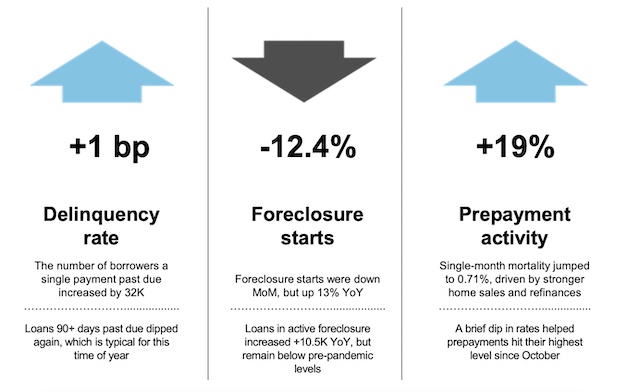
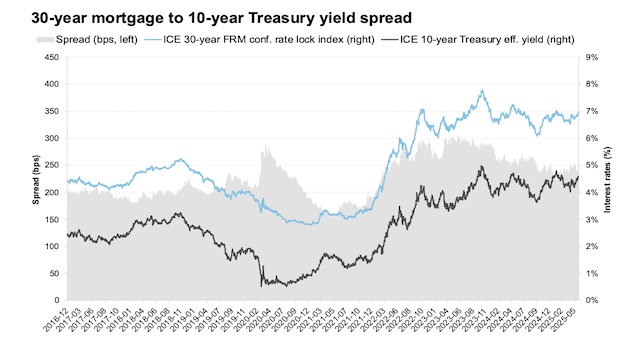
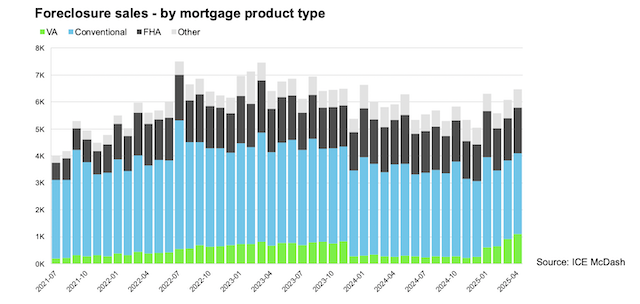
The report provides a comprehensive overview of mortgage performance trends, including delinquency, foreclosure, and prepayment patterns through April 2025. Analysts also examined interest rate dynamics, 30-year mortgage rate forecasts, and home price trends using the ICE Home Price Index (HPI). Inventory levels, home equity, and equity utilization were also tracked to offer a holistic view of the current housing landscape.
“The recent pullback in mortgage rates is creating a favorable environment for homebuyers and existing homeowners alike,” said Andy Walden, Head of Mortgage and Housing Market Research at ICE.
Affordability at a Two-and-a-Half-Year Peak
ICE reports that the monthly principal and interest (P&I) payment on an average-priced home has fallen to $2,148, or roughly 30% of median family income. This represents a significant improvement from late 2023, when the P&I portion of income peaked at 35%, and a further decrease from 32% earlier this summer. While these figures remain above long-term averages, they mark the highest affordability level since early 2023.
Affordability gains have sparked renewed activity in the U.S. purchase market, increasing demand for home purchases. Borrowers are also taking advantage of opportunities to refinance existing mortgages, locking in lower rates and reducing monthly payments through rate-and-term refinance loans.
However, affordability remains uneven across the country. Coastal markets continue to stretch household budgets, with cities like Los Angeles requiring an estimated 62% of the median salary to purchase an average-priced home. By contrast, several Midwestern markets are approaching long-term affordability norms, highlighting a persistent regional divide in housing accessibility.
Home Price Trends Reflect Tight Inventory
After eight months of slowing, annual home price growth rebounded to +1.2% in September, driven by both improved affordability and constrained inventory. Many sellers in previously oversupplied markets delayed listing their homes to prevent price reductions, keeping nationwide inventory 17–19% below 2017–2019 norms.
This combination of tighter supply and stronger affordability has led to notable regional shifts. The Northeast and Midwest experienced the most pronounced annual price gains. While 80% of major markets saw price increases in September the highest proportion in nine months about half of the largest markets remain below their recent peak prices, with 25% more than 2% off and 10% more than 5% off recent highs.
Borrower Profiles Show Greater Financial Stability
The October report highlights an improvement in borrower creditworthiness. The average credit score for purchase rate locks increased to over 736, the highest in ICE’s six-year origination dataset. Debt-to-income ratios (DTI) for purchase borrowers decreased to an estimated 38.5%, marking a 2.5-year low.
Refinancing borrowers also show stronger financial profiles. The average credit score for rate-and-term refinances reached 722, a nine-month high, while the average DTI dropped to 34.1%, the lowest in three and a half years. These trends suggest that affordability gains are translating into more qualified borrowers entering the market.
Tim Bowler, President of ICE Mortgage Technology, emphasized the importance of agility for lenders and servicers: “As affordability improves, homebuyers and homeowners can act quickly to take advantage of lower rates. Platforms like Encompass and ICE’s MSP servicing tools allow lenders to connect with consumers at the optimal moment, ensuring they capture opportunities when market conditions shift.”
Integrated Technology Supports Market Responsiveness
ICE’s report underscores how integrated technology can help lenders and servicers respond to rapidly evolving conditions. By leveraging comprehensive data and analytics, lenders can target potential buyers and refinancers effectively, providing tailored mortgage solutions and enabling homeowners to manage equity more efficiently.
With lower rates and tighter inventory, homebuyers now have more options, and homeowners can strategically refinance to reduce monthly costs. The combination of affordability gains, stronger borrower profiles, and advanced mortgage technology could help sustain home sales and refinance activity in the coming months.
A more detailed review of August mortgage performance, origination trends, and market developments—utilizing September ICE Home Price Index data is available in the complete October 2025 ICE Mortgage Monitor report. For direct financing consultations or mortgage options for you visit 👉 Nadlan Capital Group.





























Responses