
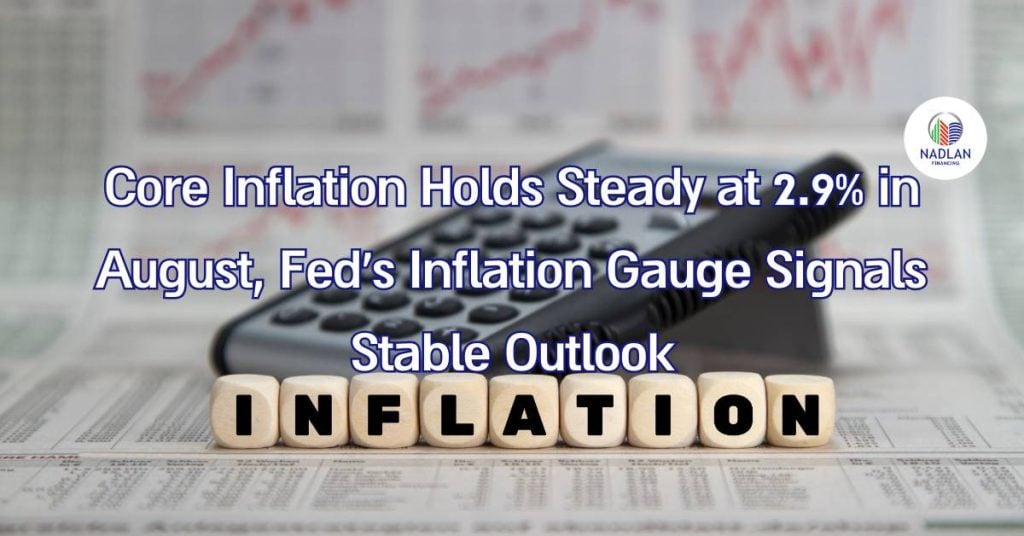
Core Inflation Climbs to 2.9% in July, Highest Since February


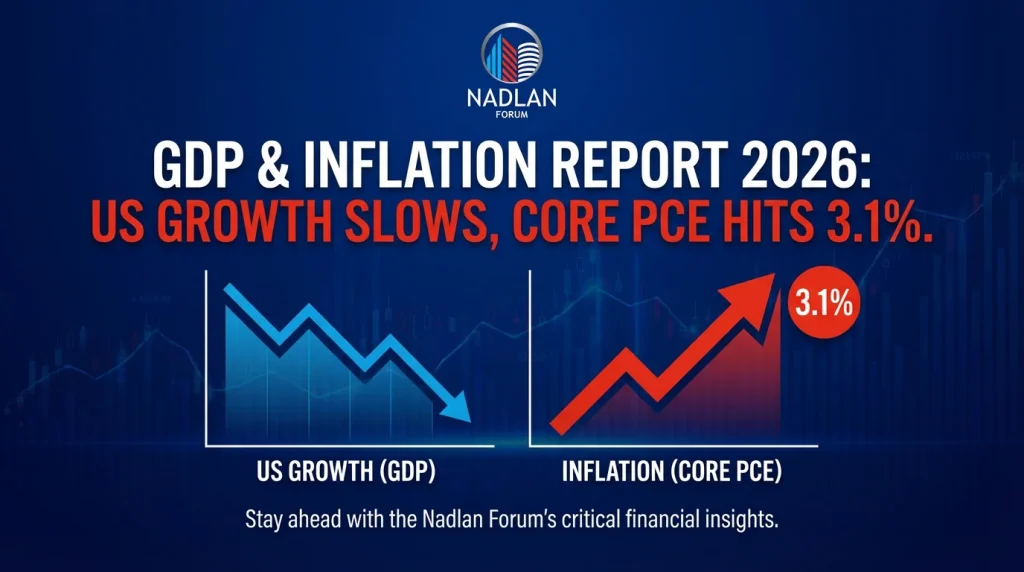
Inflation showed a modest uptick in July, according to the Federal Reserve’s preferred gauge, signaling that price pressures remain present in the U.S. economy. The personal consumption expenditures (PCE) price index revealed that core inflation which excludes the often-volatile costs of food and energy—rose at a seasonally adjusted annual rate of 2.9%. This figure matched economists’ expectations and marked the highest core inflation rate since February, up slightly from 2.8% in June.
On a monthly basis, core PCE prices climbed 0.3%, consistent with forecasts. The broader all-items PCE index, which includes food and energy, recorded a 2.6% annual increase and a 0.2% monthly gain, aligning with consensus estimates. Economists view core inflation as a more reliable signal of long-term price trends since it filters out short-term volatility in fuel and grocery prices.
Consumer Spending and Income Show Strength
Despite higher inflation readings, consumer activity remained resilient. Personal spending rose 0.5% in July, meeting expectations, while personal income grew 0.4%. This combination suggests households are continuing to spend even as prices tick higher, pointing to an underlying economic strength that could keep policymakers focused on balancing growth and inflation.
Implications for Federal Reserve Policy
The Federal Reserve targets a 2% inflation rate as a marker of healthy price stability. With core inflation above this benchmark, the central bank remains in a delicate position. Markets, however, continue to anticipate that the Fed will resume lowering its benchmark interest rate at its upcoming meeting. Fed Governor Christopher Waller recently expressed support for a potential rate cut, noting that a larger reduction might be warranted if labor market data indicate significant slowing.
Ellen Zentner, chief economic strategist at Morgan Stanley Wealth Management, explained, “The Fed has signaled that rate cuts are on the table, but the magnitude will depend on whether weakness in the labor market outweighs the upward pressure from inflation. Today’s PCE data keep the spotlight on employment metrics, and for now, the odds still favor a September reduction.”
Tariffs and Inflation Pressures
Some analysts point to ongoing trade policies as a factor influencing price trends. Earlier this year, President Trump implemented a baseline 10% tariff on all imports and introduced additional reciprocal tariffs on several trading partners, as well as targeted duties on individual goods. Exemptions for items under $800 were also removed, potentially contributing to the gradual pass-through of higher costs to consumers.
Inflation Breakdown: Goods vs. Services
A closer look at July’s numbers reveals that services remain the primary driver of inflation, with prices rising 3.6% year-over-year. In contrast, goods prices grew just 0.5%. Energy prices, which have historically been volatile, actually declined by 2.7% over the past year, while food prices increased 1.9%. On a month-to-month basis, energy prices fell 1.1% and food prices dipped slightly by 0.1%, while services prices edged up 0.3%, effectively accounting for the entirety of the month’s inflation increase.
Market Response
Following the report, stock market futures turned negative, reflecting investor caution, while Treasury yields remained elevated. Analysts note that while inflation remains above the Fed’s comfort level, the modest monthly increase and strong consumer spending suggest a nuanced picture: prices are rising, but households continue to demonstrate economic resilience.
Looking Ahead
Economists and investors will be closely monitoring the labor market and upcoming economic indicators for signs that inflationary pressures are either accelerating or stabilizing. The Fed’s next moves will likely weigh heavily on both markets and policy outlooks, as officials balance the dual objectives of fostering growth while maintaining price stability.
Overall, July’s PCE report underscores the complex interplay between consumer demand, labor market trends, and policy actions, offering a snapshot of an economy that is neither overheating nor stalling, but navigating the challenges of persistent inflation and evolving trade dynamics. For direct financing consultations or mortgage options for you visit 👉 Nadlan Capital Group.

















Responses