
Mortgage Rates Rise Despite Federal Reserve Interest Rate Cut: What It Means for the Market


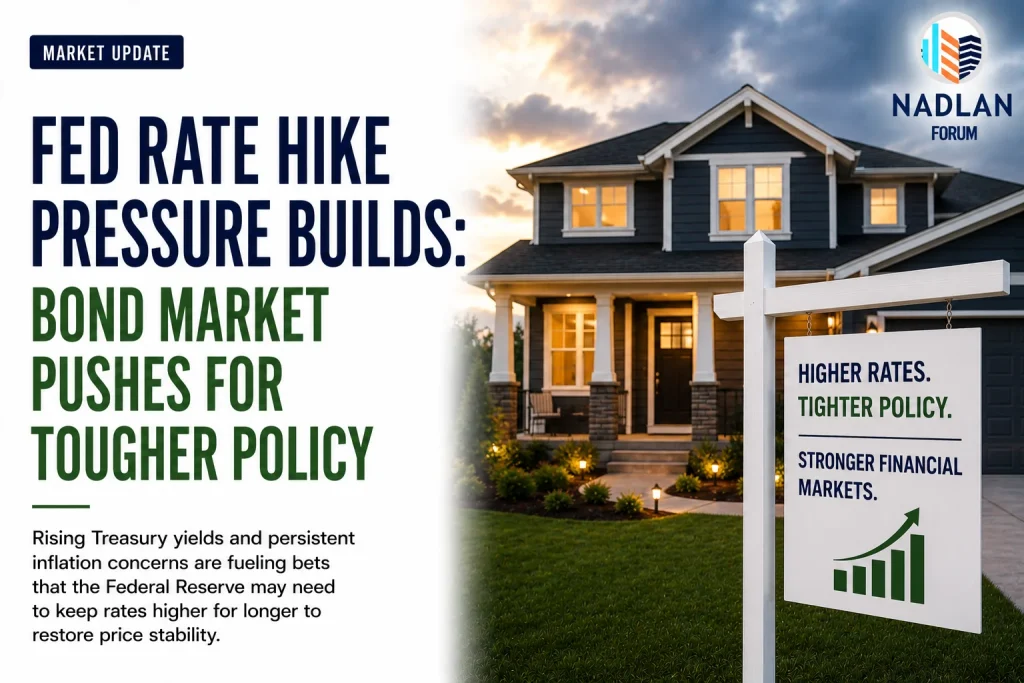
In a surprising turn of events, long-term interest rates, including those for mortgages, have climbed higher this week, even as the Federal Reserve implemented its first interest rate cut of the year. The central bank reduced its target range for the federal funds rate by 0.25 percentage points, from 4.25% to 4.00% at the end of its meeting on Wednesday. This was a much-anticipated move, and initially, it sparked optimism in the stock market, pushing major indices to record highs. However, bond markets responded differently, with long-term yields, such as those on 10-year and 30-year Treasury bonds, increasing.
The 10-year Treasury yield, a crucial indicator for long-term borrowing rates, surged to 4.145%, reversing earlier declines and marking a sharp rise after dipping below 4% earlier in the week. Similarly, the 30-year Treasury yield, which heavily influences mortgage rates, rose to 4.76%, up from a low of 4.604% earlier. This uptick in long-term bond yields is a key factor in why mortgage rates have moved higher despite the Fed’s rate cut.
Fed’s Actions and Bond Market Reactions
While the Federal Reserve’s decision to lower its benchmark rate was widely expected, the bond market’s response has been more complex. For investors in long-term bonds, the immediate rate cut was seen as a signal of potential future rate cuts, but the market also interpreted this as an indication that the Fed might be stepping back from its focus on inflation and beginning to shift its attention toward a more lenient monetary policy. As a result, the market reacted with selling pressure on long-term bonds, pushing their prices down and yields up.
Peter Boockvar, the chief investment officer at One Point BFG Wealth Partners, explained that bond traders were “selling the news” after the announcement, seeing the rate cut as an opportunity to exit positions that had benefited from lower yields. “The bond market doesn’t want the Fed to aggressively cut rates when inflation is still above 3%, and the economy remains relatively steady,” Boockvar said.
This contrast between the stock market’s enthusiasm and the bond market’s caution reflects the different priorities of these two markets. The stock market is driven by expectations of a future economic boost from lower rates, while the bond market is concerned about inflationary risks and the long-term effects of these cuts.
Implications for Mortgage Rates and Borrowing Costs
The rise in long-term Treasury yields has a direct impact on mortgage rates. As mortgage lenders often use the 10-year Treasury as a benchmark for setting long-term rates, higher yields can lead to an increase in mortgage rates. Mortgage rates, which had recently dropped to their lowest levels in over a year, reversed course after the Fed’s actions. While a rate cut by the Fed is often seen as positive for borrowers, the bond market’s response suggests that the benefits might be limited for homeowners looking to refinance or potential homebuyers in the market.
This development has already affected homebuilders like Lennar, one of the largest U.S. homebuilders, which reported weaker-than-expected earnings for the third quarter. CEO Stuart Miller acknowledged that the company faced “continued pressures” due to the elevated mortgage rates throughout much of the quarter. The rising borrowing costs have placed a damper on homebuying activity, which, in turn, has slowed the housing market recovery.
Economic Outlook and Bond Market Sentiment
Despite the Fed’s rate cut, the bond market’s reaction suggests that investors remain cautious about the broader economic picture. While the Fed is attempting to ease financial conditions to stimulate the economy, long-term bond traders are concerned that such actions might signal a shift in the Fed’s stance on inflation especially given that inflation is still above the central bank’s 2% target. Updated economic projections from the Fed, released alongside the rate cut, showed expectations for slightly higher inflation in the coming year.
Bond markets are also reacting to broader global trends. Long-term U.S. Treasury yields are often influenced by global bond markets, particularly those in other advanced economies. As central banks in Europe and other regions continue to grapple with their own inflation challenges, U.S. bond yields have been rising in tandem with their international counterparts.
Chris Rupkey, chief economist at FWDBONDS, pointed out that falling yields typically signal a weakening economy, so the recent rise in yields could indicate that bond traders do not foresee a recession in the immediate future. In fact, the bond market’s response could also reflect confidence in the strength of the labor market, as indicated by the latest jobless claims data.
What Does This Mean for Consumers?
For consumers, particularly homebuyers and those looking to refinance, the jump in long-term interest rates could make borrowing more expensive. Higher mortgage rates could dampen affordability, particularly in the housing market, where high prices and elevated mortgage rates have already created challenges for many buyers.
The Fed’s rate cut was intended to boost consumer spending and borrowing by lowering short-term borrowing costs. However, the reaction from the bond market highlights the complex relationship between short-term and long-term interest rates and suggests that the benefits of rate cuts may be somewhat muted for consumers seeking long-term loans.
Looking Ahead: The Fed’s Next Moves and Market Uncertainty
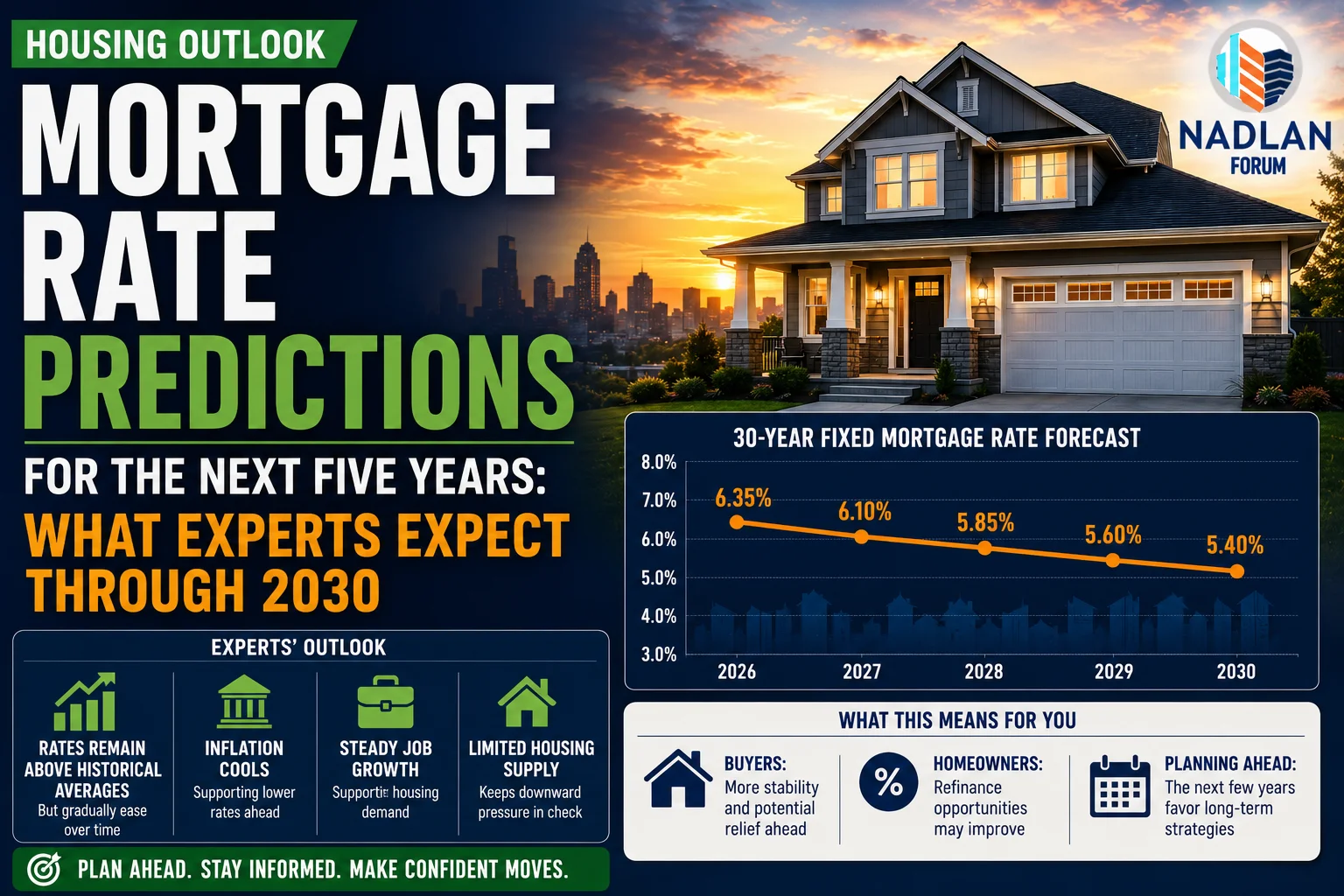
As the bond market continues to digest the Fed’s rate cuts, the future direction of mortgage rates remains uncertain. While many economists expect the Fed to continue easing rates throughout 2025, the long-term outlook for mortgage rates is less clear. If bond yields continue to rise in response to the Fed’s actions, mortgage rates could remain elevated or even increase further, making it harder for potential homebuyers to enter the market.
For those looking to take advantage of the current rate environment, experts suggest that acting sooner rather than later may be beneficial, as rate increases could become more widespread if the bond market continues to signal inflation concerns.
In conclusion, while the Fed’s decision to cut interest rates was seen as a sign of support for the economy, the bond market’s reaction has raised concerns about the potential for higher long-term borrowing costs. For now, homebuyers and refinancers should stay alert, as mortgage rates may rise in the coming weeks, making affordability even more of a challenge. For direct financing consultations or mortgage options for you visit 👉 Nadlan Capital Group.


























Responses