
Fed’s Powell Signals End of Balance Sheet Reductions, Hints at Possible Rate Cuts


Federal Reserve Chair Jerome Powell indicated Tuesday that the central bank is approaching the point at which it may stop shrinking its balance sheet, while also signaling that interest rate cuts remain a viable tool to support the economy. Speaking at the National Association for Business Economics (NABE) conference in Philadelphia, Powell emphasized that the Fed is closely monitoring economic conditions and liquidity, while weighing the delicate balance between employment and inflation.
Nearing the End of Quantitative Tightening
Powell focused much of his remarks on the Fed’s “quantitative tightening” program, the gradual reduction of over $6 trillion in Treasurys and mortgage-backed securities that the central bank accumulated during the pandemic. While he did not provide a precise end date, he said the Fed is nearing the point at which bank reserves will reach “ample” levels enough to maintain smooth operations without flooding the system with excess liquidity.
“Our long-stated plan is to stop balance sheet runoff when reserves are somewhat above the level we judge consistent with ample reserve conditions,” Powell said. “We may approach that point in coming months, and we are closely monitoring a wide range of indicators to inform this decision.”
The Fed’s holdings, which swelled close to $9 trillion during the Covid-19 pandemic, have been gradually allowed to roll off since mid-2022. Powell stressed that the Fed does not intend to return to pre-pandemic balance sheet levels near $4 trillion.
Interest Rates and Labor Market Concerns
While Powell did not provide a formal path for future rate cuts, he noted that a softening labor market could support additional easing. “The data we received after the July meeting, which adjusted back to May, showed that the labor market has softened considerably,” he said. “This puts us in a situation where the two risks employment and inflation are closer to balance.”
Powell highlighted slowing payroll gains, largely tied to lower labor force growth from declining immigration and participation rates. He acknowledged that the unemployment rate has remained low but noted the pace of job creation has diminished, increasing downside risks for employment.
Inflation and Tariff Pressures
Powell also addressed inflation, which has remained above the Fed’s 2% target. He noted that recent goods price increases largely reflect tariffs rather than underlying broad-based inflation. “Near-term inflation expectations have generally increased this year, while most longer-term measures remain aligned with our 2% goal,” he said.
Despite the persistent inflation pressures, Powell indicated that the Fed is positioned to respond flexibly. “There is no risk-free path for policy as we navigate the tension between our employment and inflation goals,” he said, underscoring the challenge of simultaneously managing labor market weakness and elevated price levels.
Operational Challenges Amid Government Shutdown
The ongoing federal government shutdown has complicated economic analysis. Key reports like nonfarm payrolls and retail sales remain delayed, limiting the Fed’s access to real-time data. Powell noted that the central bank continues to rely on available data, including pre-shutdown releases, which suggest the U.S. economy is on a slightly firmer trajectory than previously expected.
The Bureau of Labor Statistics has recalled staff to prepare the monthly Consumer Price Index (CPI) report, which is expected next week. Powell emphasized that this data, alongside other metrics, will be crucial in determining the Fed’s next steps on both balance sheet adjustments and potential interest rate cuts.
Balancing Act for Policymakers
Powell underscored the dual challenge facing the Fed: too rapid easing could leave inflation unchecked, while too slow action could exacerbate job losses. “If we move too quickly, we may leave the inflation job unfinished; if we move too slowly, there may be unnecessary losses in the employment market,” he said.
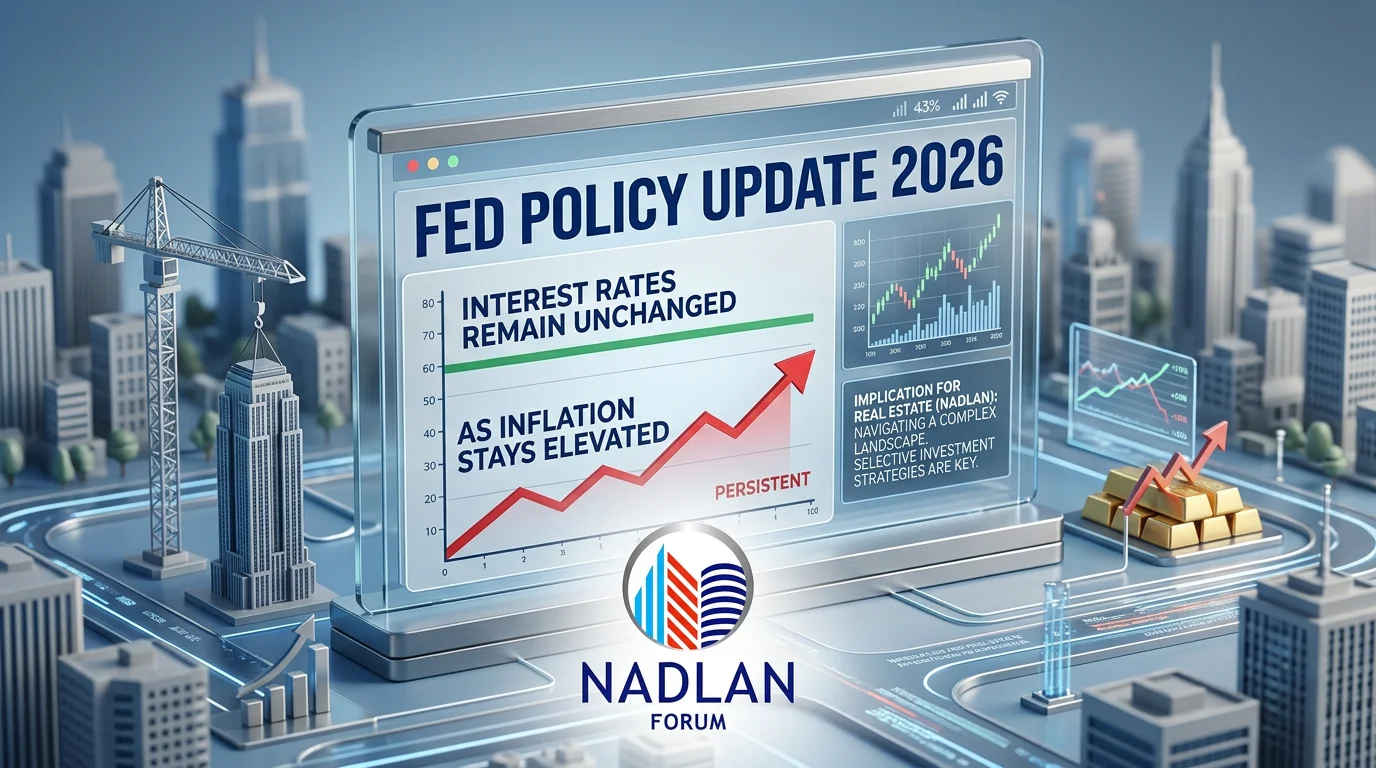
Ultimately, the Fed appears poised to conclude its balance sheet runoff in the near term while keeping the door open for additional rate cuts if economic conditions warrant. Financial markets are closely watching these signals, weighing both the implications for liquidity and the trajectory of U.S. interest rates. For direct financing consultations or mortgage options for you visit 👉 Nadlan Capital Group.



















Responses