
Housing Starts Rise in 2026: Why Builders May Slow New Projects

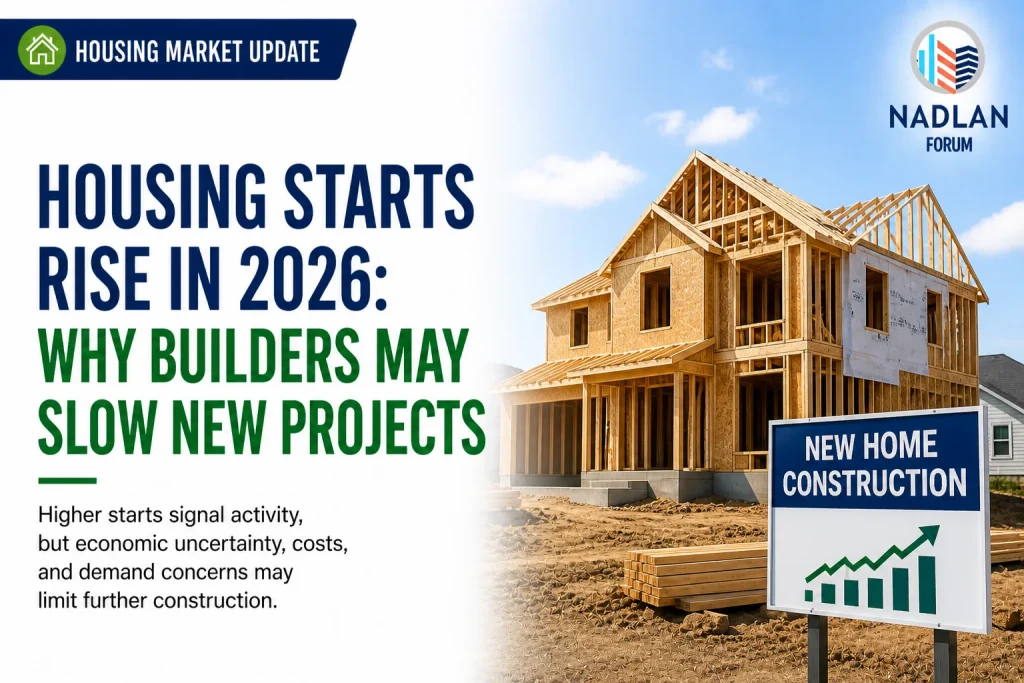
Housing construction activity showed mixed signals in March 2026. While new housing starts moved higher across the country, a drop in building permits and increasing resale inventory are raising concerns about the pace of future development.
Recent data suggests that builders are completing ongoing projects, but they may be more cautious about starting new ones in the months ahead.
Housing Starts Show Strong Growth
According to the latest government data, total housing starts reached a seasonally adjusted annual rate of about 1.5 million in March. This marks a solid increase compared to both the previous month and the same time last year.
Single-family construction also moved higher:
- Single-family housing starts: about 1.03 million
- Monthly increase: nearly 10%
- Year-over-year growth: close to 9%
This growth shows that builders are still active, especially on projects that were already planned or approved earlier.
Building Permits Point to Slower Future Activity
While starts increased, building permits which indicate future construction moved in the opposite direction.
- Total building permits: around 1.37 million
- Monthly decline: more than 10%
- Year-over-year drop: about 7%
Single-family permits also declined compared to last year, suggesting that builders are holding back on launching new projects.
This gap between rising starts and falling permits highlights a key trend: builders are finishing what they started but are less confident about future demand.
Why Builders Are Becoming More Careful
Several factors are making builders more cautious in 2026.
Rising Resale Inventory
One major factor is the increase in existing homes for sale. As more homeowners list their properties, buyers now have more options. This creates stronger competition for newly built homes.
Falling New Home Prices
Data shows that the price per square foot for new homes has declined slightly over the past year. Even a small drop can affect builder margins, especially when costs remain high.
Higher Construction Costs
Builders continue to face elevated costs for materials, labor, and financing. These expenses reduce profitability and make new projects riskier.
Economic Uncertainty
Global tensions, inflation concerns, and changing interest rates are making it harder to predict buyer demand. This uncertainty often leads builders to slow down new investments.
Market Shifting Toward Buyers
The housing market is gradually moving in favor of buyers in many areas.
More supply and slower demand mean:
- Buyers have more choices
- Sellers may need to reduce prices
- Builders are offering incentives to attract buyers
In many cities, price cuts and special offers such as mortgage rate buydowns or closing cost assistance are becoming more common.
What This Means for Homebuyers
For buyers, the current market may offer better opportunities than in recent years.
- More inventory means less competition
- Price reductions can improve affordability
- Incentives from builders can lower upfront costs
However, mortgage rates remain an important factor. Even if home prices ease, higher borrowing costs can still limit affordability.
What This Means for Builders
For builders, the situation is more complex.
They are balancing:
- The need to maintain sales volume
- Pressure on profit margins
- Uncertainty about future demand
As a result, many builders may choose to slow down new developments until market conditions become clearer.
Outlook for the Rest of 2026
The housing market is entering a transition phase.
- Housing starts may remain steady in the short term
- Building permits suggest slower growth ahead
- Inventory levels will play a key role in shaping demand
If resale inventory continues to rise and prices remain under pressure, builders may stay cautious for the rest of the year.
At the same time, any improvement in mortgage rates or economic stability could encourage more construction activity later on.
Key Takeaways
- Housing starts increased strongly in March 2026
- Building permits declined, signaling slower future construction
- Rising resale inventory is increasing competition for new homes
- Falling prices and high costs are squeezing builder margins
- The market is shifting slightly in favor of buyers
Final Thoughts
The latest housing data shows a market that is no longer moving in one direction. Builders are still active, but they are becoming more selective about new projects.
For buyers, this shift may bring more options and better deals. For builders, it means adjusting strategies to manage costs and demand in a changing market.
The coming months will likely depend on how inventory, interest rates, and overall economic conditions evolve. For direct financing consultations or mortgage options for you visit 👉 Nadlan Capital Group.



























Responses