
Mortgage Rates Update May 2026: Will Rates Rise Again This Week

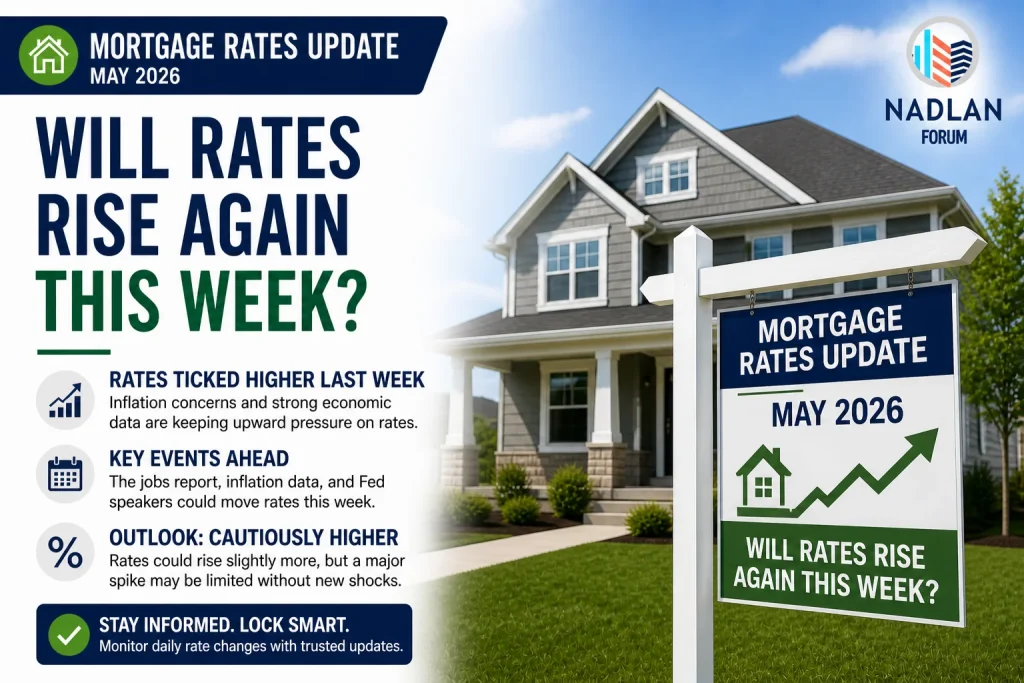
Mortgage rates are moving higher again as May begins, raising fresh questions for homebuyers and homeowners. After a few weeks of small changes, rates are now showing a gradual upward trend, and many are wondering whether this movement will continue.
The average 30-year fixed mortgage rate has climbed to 6.20% at the start of this week, based on data from Zillow. This marks another step up from recent weeks and signals that borrowing costs remain elevated.
Mortgage Rates Continue Gradual Increase
Over the past few weeks, mortgage rates have slowly moved higher:
- Two weeks ago: around 6.05%
- Last week: around 6.09%
- This week: around 6.20%
This steady increase shows that the market is adjusting to ongoing inflation concerns and broader economic uncertainty.
Here are the latest average mortgage rates:
- 30-year fixed: 6.20%
- 20-year fixed: 6.01%
- 15-year fixed: 5.66%
- 5/1 ARM: 6.12%
- 7/1 ARM: 5.96%
VA loan rates remain slightly lower, offering some relief for eligible borrowers.
Refinance Rates Today
Refinance rates are close to purchase rates, though slightly higher in some cases:
- 30-year fixed refinance: 6.18%
- 20-year: 6.08%
- 15-year: 5.64%
- 5/1 ARM: 5.92%
- 7/1 ARM: 5.99%
While refinancing can still make sense for some homeowners, the smaller gap between current and previous rates means fewer people are rushing to refinance compared to earlier years.
What Higher Rates Mean for Monthly Payments
Even small rate changes can have a noticeable impact on monthly payments.
For example:
- A $300,000 loan at 6.20% (30-year):
- Monthly payment: about $1,837
- Total interest: about $361,000
- The same loan at 5.66% (15-year):
- Monthly payment: about $2,476
- Total interest: about $145,000
This comparison shows the trade-off between lower monthly payments and long-term savings.
30-Year vs 15-Year Mortgage
Choosing between a 30-year and 15-year mortgage depends on your financial situation.
30-Year Loan
- Lower monthly payments
- Easier to manage cash flow
- Higher total interest over time
15-Year Loan
- Higher monthly payments
- Lower interest rate
- Significant long-term savings
Many buyers choose the 30-year option for flexibility, especially in a high-rate environment.
Adjustable-Rate Mortgages: Are They Worth It?
Adjustable-rate mortgages (ARMs) offer a different structure.
- Fixed rate for the first few years
- Rate adjusts after that period
- Payments can increase or decrease later
In the past, ARMs often started with lower rates than fixed loans. However, recently, ARM rates have been similar to or even higher than fixed rates, making them less attractive for some borrowers.
Still, ARMs may work well if you plan to sell or refinance before the adjustment period begins.
Why Mortgage Rates Are Rising
Several key factors are pushing mortgage rates higher:
Inflation Concerns
Higher inflation leads lenders to charge higher interest rates to protect returns.
Global Events
Ongoing geopolitical tensions, especially in energy markets, are increasing uncertainty and affecting bond yields.
Treasury Yields
Mortgage rates often follow the 10-year Treasury yield. When bond yields rise, mortgage rates usually follow.
How to Get a Lower Mortgage Rate
Even in a rising-rate environment, there are ways to secure a better deal:
- Improve your credit score
- Reduce your debt-to-income ratio
- Save for a larger down payment
- Compare multiple lenders
- Consider buying discount points
You can also explore temporary rate buydowns, which reduce your rate for the first few years of your loan.
Should You Lock a Rate Now?
With rates trending upward, many buyers are considering locking in a rate sooner rather than waiting.
If rates continue to rise, locking now could help avoid higher costs later. However, if rates stabilize or drop, waiting could offer savings.
The decision depends on your financial readiness and how long you plan to stay in the home.
Will Mortgage Rates Fall in 2026?
Forecasts suggest that mortgage rates may stay near current levels for the rest of the year.
- Expected range: around 6% to 6.30%
- Some forecasts suggest slight declines later in 2026
- Major drops below 6% are less certain
Long-term trends will depend on inflation, economic growth, and central bank policy.
Key Takeaways
- Mortgage rates today May 2026 are rising slightly
- The 30-year fixed rate is now around 6.20%
- Higher rates increase monthly payments and total loan costs
- Buyers still have options to reduce borrowing costs
- Future rate movements depend on inflation and global conditions
Final Thoughts
Mortgage rates are showing a gradual upward trend, and that is shaping the housing market in 2026. While rates are not at historic highs, they are still high enough to affect affordability.
For buyers, the focus should be on what is manageable rather than trying to perfectly time the market. Even in a changing rate environment, opportunities still exist for those who plan carefully and compare their options. For direct financing consultations or mortgage options for you visit 👉 Nadlan Capital Group.






















Responses