
Trump Vows to Revitalize Homebuilding to Restore the American Dream


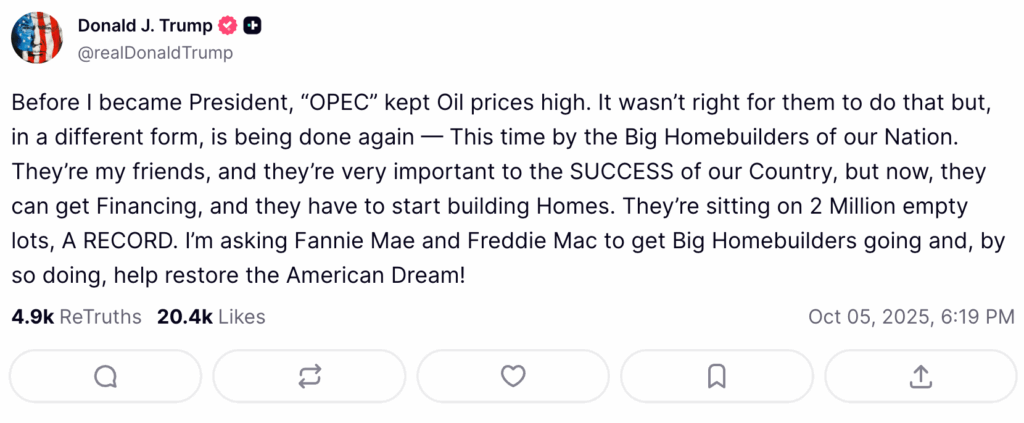
In a recent post on Truth Social, former President Donald Trump outlined his plan to partner with homebuilders in an effort to rejuvenate the housing market and restore what he refers to as the “American Dream.” Trump’s message came as part of a broader strategy to encourage government-sponsored enterprises (GSEs) Fannie Mae and Freddie Mac to provide the capital necessary to kickstart new home construction across the nation.
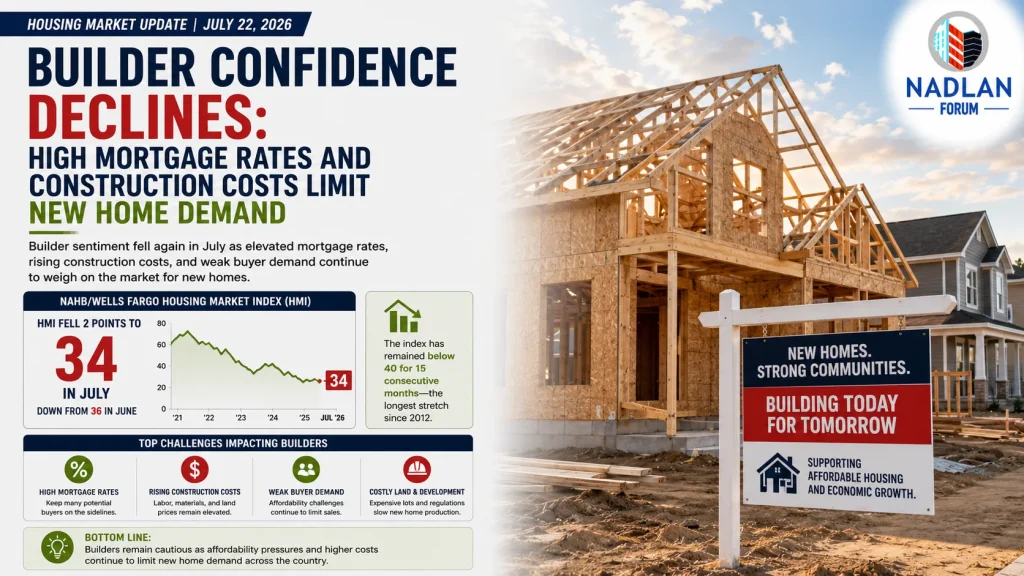
The President’s call to action aimed at “Big Homebuilders” emphasized that the market was being stifled by an overabundance of vacant land. He stated that builders were “sitting on 2 million empty lots” that could be used to address the nation’s housing shortage, a situation Trump described as a “record” in housing inventory.
In his post, Trump compared the situation in housing to the days when OPEC allegedly kept oil prices artificially high before his presidency. He suggested that, much like oil prices, the housing sector was facing a similar issue but in a different form: the large homebuilders controlling much of the available land and sitting idle on valuable resources.
“I’m asking Fannie Mae and Freddie Mac to get Big Homebuilders going and, by so doing, help restore the American Dream,” Trump wrote. “They have to start building homes.”
Fannie Mae and Freddie Mac in the Spotlight
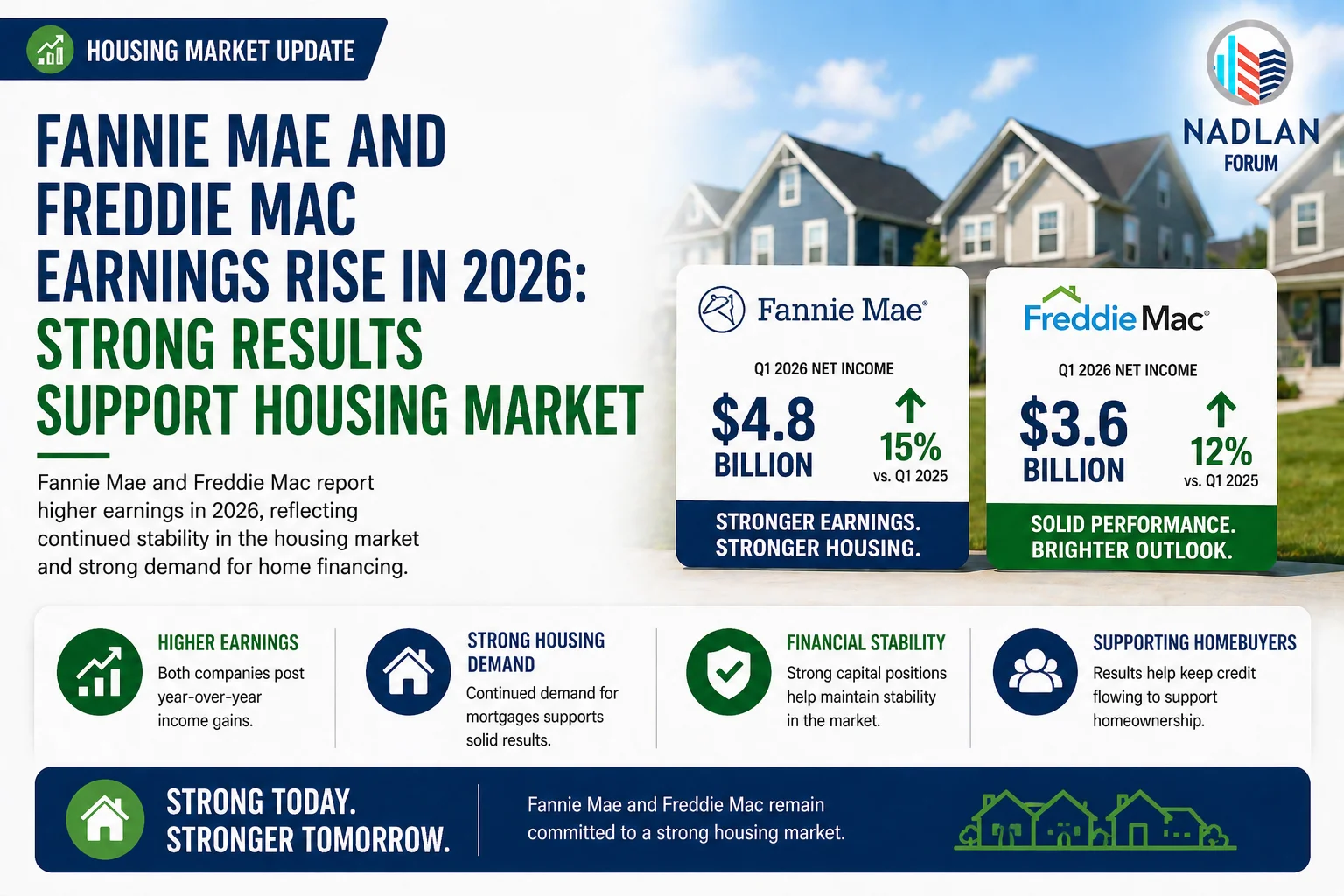
Trump’s comments bring attention to the long-standing role of Fannie Mae and Freddie Mac, which have been under federal conservatorship since the 2008 financial crisis. These government-sponsored enterprises guarantee over half of the nation’s home loans, and their influence in the housing market cannot be overstated. However, following years of financial recovery, both GSEs have paid back their Treasury loans and returned to profitability.
As part of his vision, Trump has proposed moving forward with privatizing the GSEs, a move that could have profound consequences for the housing market. Should the companies be privatized, the government’s direct backing of mortgages would disappear, leaving the market at the mercy of private investors. Analysts warn that this shift could lead to higher mortgage costs and reduced availability for homebuyers, particularly for those looking for affordable options.
While the prospect of privatizing Fannie Mae and Freddie Mac has been met with some resistance, Trump’s administration has been in talks with top financial figures about the future of the GSEs. According to reports, Trump met with executives from major U.S. banks, including Citi CEO Jane Fraser and Bank of America’s Brian Moynihan, to discuss potential steps toward privatization. These discussions come as the GSEs have regained their footing in the marketplace, with shares of both companies experiencing a significant rise, as speculation about their future continues to grow.
Potential Impact of GSE Privatization on Homebuyers
The idea of privatizing Fannie Mae and Freddie Mac raises important questions about the future of homebuyer access to affordable mortgages. On the one hand, proponents of privatization argue that reducing the government’s role in the housing market could spur competition and innovation in mortgage lending. On the other hand, critics warn that moving the GSEs into the private sector could lead to higher costs for borrowers and make mortgages harder to come by for lower- and middle-income families.
As Trump himself pointed out, the idea of pushing for a privatized system may come with some political and economic risks. “Tariffs may have impacted the stock market, but they did not result in immediate price hikes at Walmart or Dollar General,” said TD Cowen analyst Jaret Seiberg, referencing the President’s previous trade policies. “By contrast, the price of mortgages will respond to each recapitalization and release development. That makes the political cost more immediate.”
A shift in the way mortgages are financed could significantly alter the dynamics of the housing market, with far-reaching effects on everything from home prices to interest rates. The political fallout from such a move could also be swift, as mortgage rates are often highly visible to the public, and any immediate hikes could spark public outcry.
Looking Ahead: What’s Next for the Housing Market?
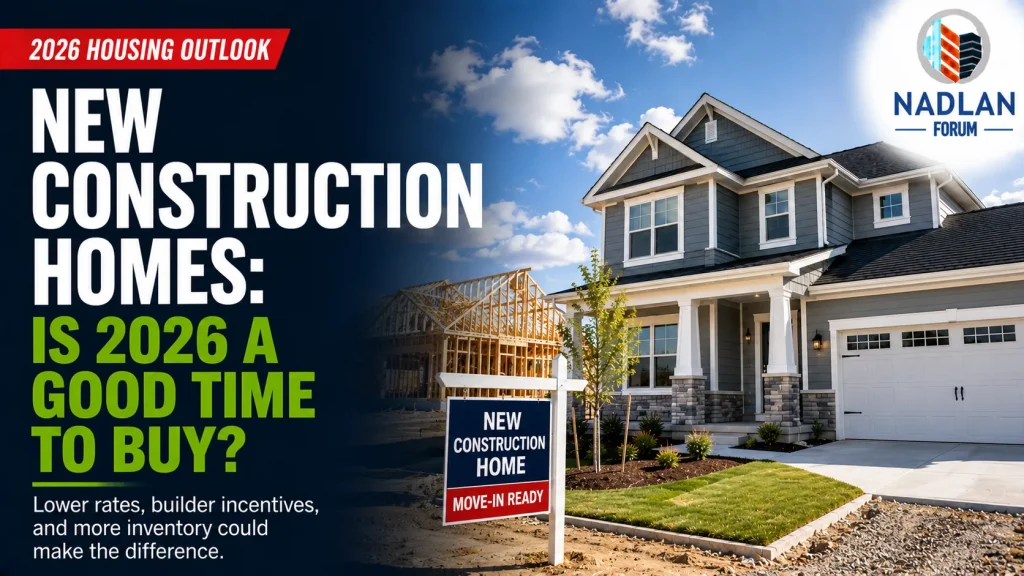
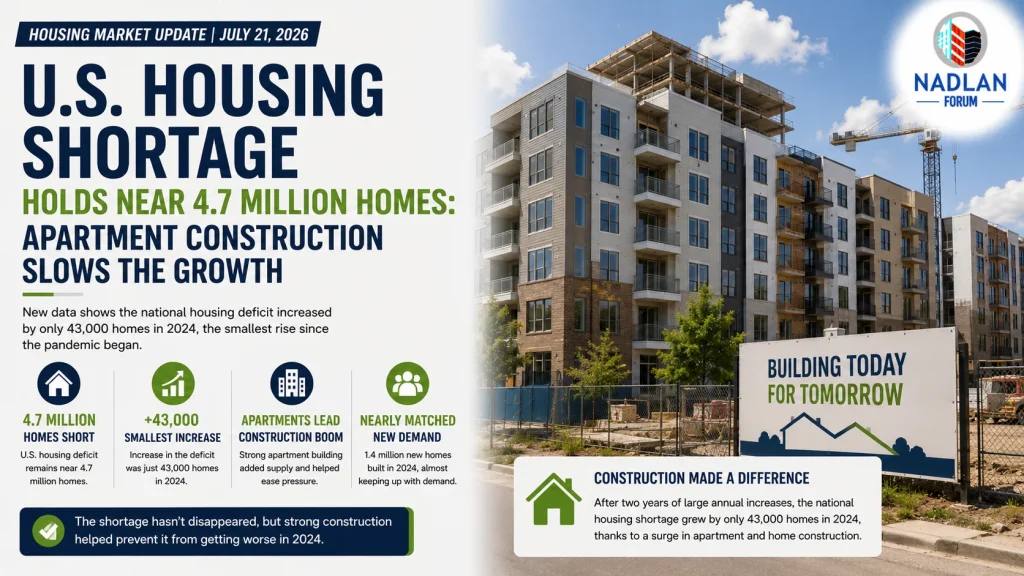
While Trump’s post may have stirred up some controversy, it highlights an ongoing challenge in the U.S. housing market: the need for more housing and the role that large developers and financial institutions play in creating it. The focus on “Big Homebuilders” and their vast land holdings suggests that Trump’s plan could have significant implications for how homes are built and financed in the coming years.
With housing affordability continuing to be a critical issue for many Americans, the potential privatization of Fannie Mae and Freddie Mac will likely be a central topic of debate as the housing market continues to evolve. Homebuyers, particularly those on the lower rungs of the economic ladder, may feel the effects of such changes more acutely than others.
Trump’s push to unlock the potential of the housing market, paired with his call for more investment in homebuilding, could be the first step in a larger overhaul of how housing is funded and distributed across the country. However, as with any major policy shift, the road to implementation is likely to be long and filled with political hurdles. How this plan will shape the future of the American housing market remains to be seen, but it will undoubtedly be a key issue for the upcoming political cycles. For direct financing consultations or mortgage options for you visit 👉 Nadlan Capital Group.

















Responses