
Housing Market Outlook 2026: What to Expect as Affordability Slowly Improves

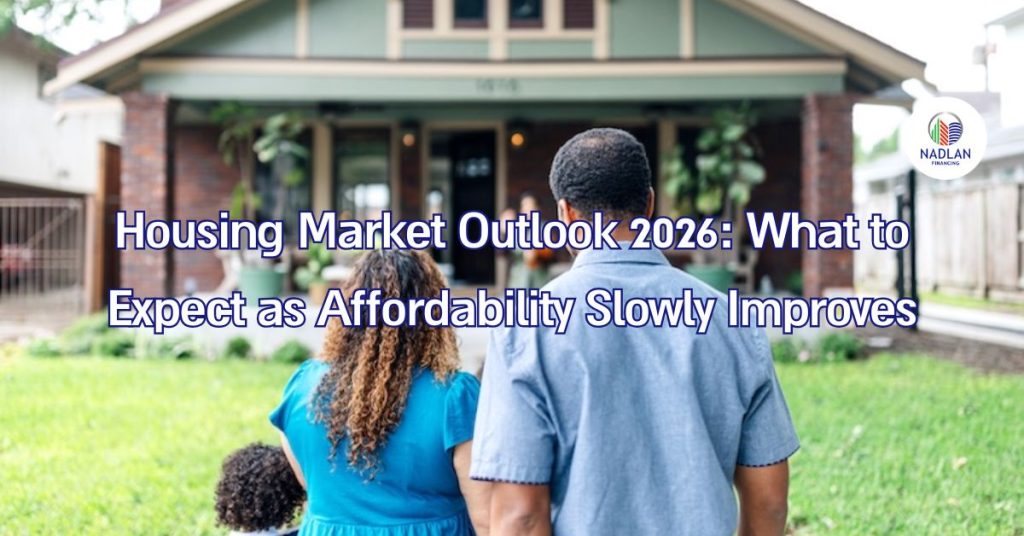
As the industry prepares for 2026, questions about affordability, rate lock-in, and shifting price patterns continue to drive the housing conversation. In this Q&A-style breakdown, First American Chief Economist Mark Fleming explains the key forces shaping next year’s market from income growth to regional corrections and the slow fading of the lock-in effect.
Affordability Should Gradually Improve in 2026
Fleming expects affordability to get a little better next year but not because mortgage rates will fall sharply.
Instead, the biggest boost will come from:
- Household incomes rising,
- Home price growth slowing, and
- Some markets seeing slight price drops, especially where values rose fastest during the pandemic.
With incomes climbing faster than home prices in many areas, the gap between what buyers earn and what homes cost will begin to narrow.
Why the Market Recovery Isn’t All About Rate Cuts
Many assume that lower mortgage rates will bring the next big wave of home sales, but Fleming says the recovery won’t hinge on the Fed this time.
The rate lock-in effect millions of owners holding ultra-low 2020–2021 mortgages—won’t disappear even if rates drop modestly. Rates simply aren’t expected to fall low enough to motivate a major sell-and-buy shift.
Instead, life events will be the main driver of sales in 2026:
- marriage
- growing households
- job relocation
- divorce
- downsizing
Fleming notes:
“Life events always move the market more than the Fed.”
Slow, steady affordability gains will also support more buyer activity over time.
Where Prices Are Stalling or Dropping And Why
Fleming points out clear regional patterns in price behavior:
Markets Seeing Slower or Falling Prices
- Florida
- Texas
- California
- Several metros across the West and broader Sunbelt
These areas saw the biggest pandemic-era price jumps, and some level of correction is normal.
Even with declines, most markets are still far above pre-pandemic levels—meaning the recent softening is more of an adjustment than a crash.
What Lenders Should Watch
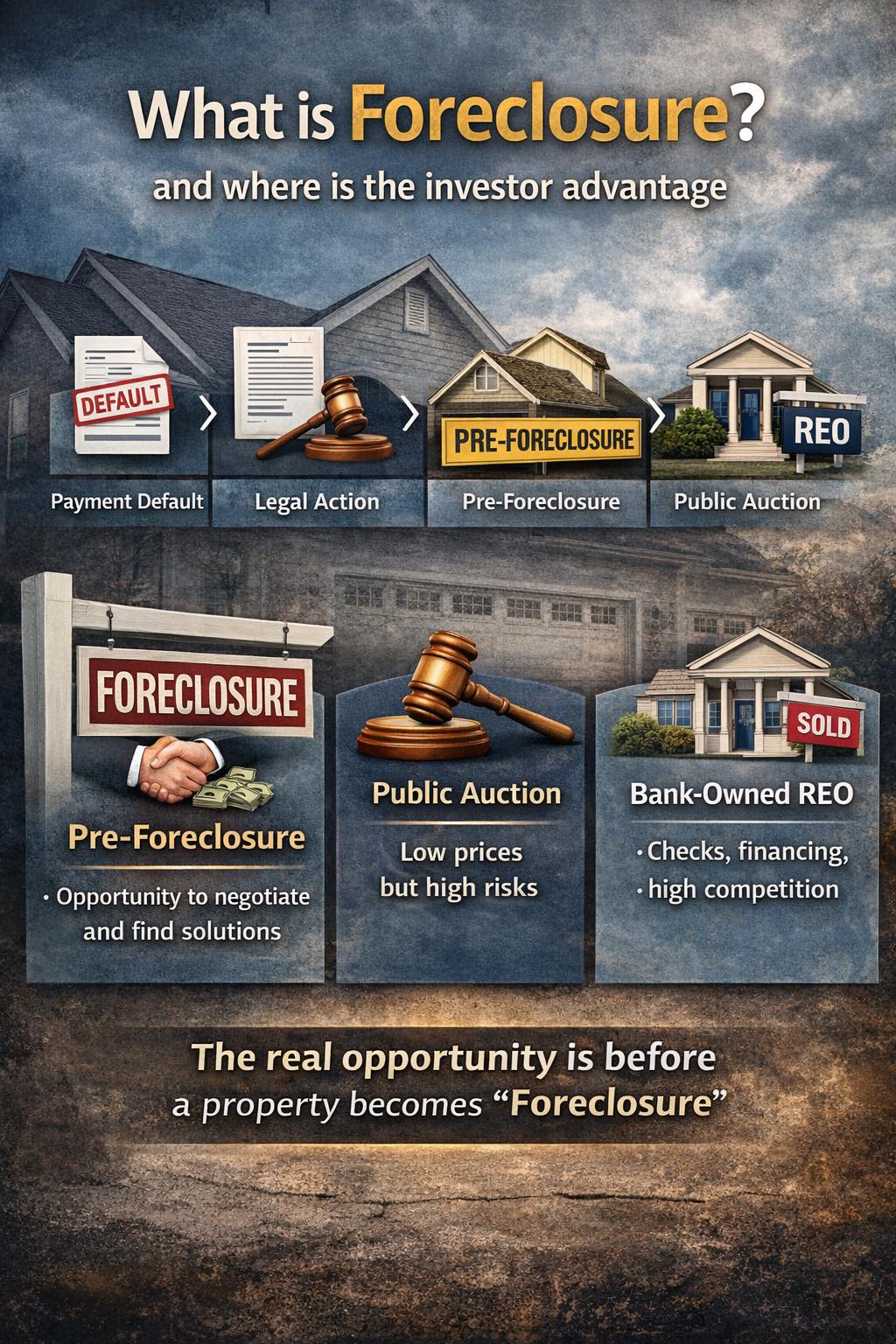
Fleming highlights negative equity as the biggest risk signal.
Borrowers most vulnerable include:
- those who bought near the peak,
- those with minimal down payments, and
- those who missed out on the rapid value gains of 2020–2022.
Negative equity doesn’t guarantee trouble, but it raises foreclosure risk if financial stress hits.
Rate Lock-In Will Still Slow 2026 Sales but Less Than Before
The rate lock-in effect remains a drag on inventory and sales, but Fleming notes it is slowly weakening.
Two things are helping ease the impact:
- More life-driven moves, as owners reach a point where they must relocate
- Time, as households naturally cycle through stages that require housing changes
Without a dramatic rate decline, lock-in won’t disappear, but it will keep fading little by little.
Will Non-Traditional Homeownership Models Grow in 2026?
Shared equity programs, co-buying, fractional ownership, rent-to-own, and other alternative models are gaining attention as buyers look for lower-cost paths to ownership.
Fleming expects growth—but only at the margins.
These models may help more first-time buyers get into the market, but they won’t make up a large share of overall homeownership next year.
The Biggest Risk for the 2026 Housing Market
According to Fleming, the biggest threat is another hit to affordability. That could happen if:
- Mortgage rates rise again, or
- Home prices reaccelerate instead of cooling
Both scenarios would push buyers back to the sidelines.
The Biggest Potential Upside?
Stronger income growth possibly tied to productivity gains from new AI and tech tools.
If wages rise faster than expected, affordability could improve sooner and faster. For direct financing consultations or mortgage options for you visit 👉 Nadlan Capital Group.




















Responses