
Fixture Filing

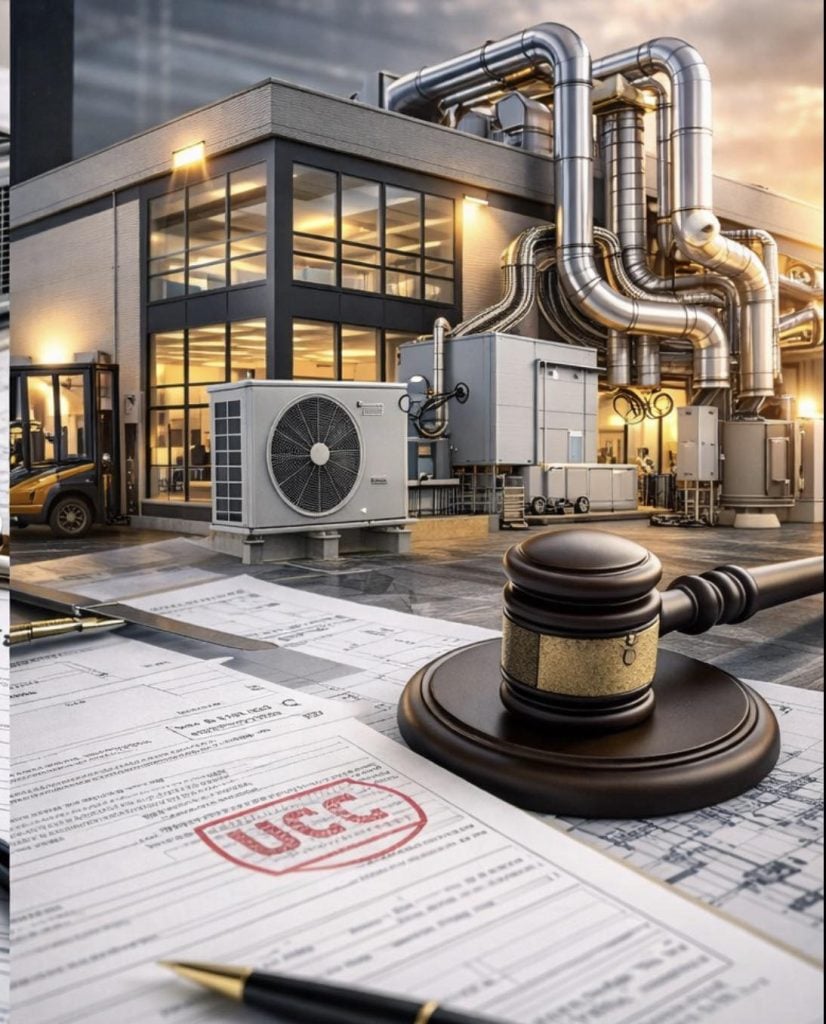
A lesser-known concept from the world of financing and collateral in U.S. real estate.
Usually, when equipment or systems are physically attached to a property, the law may treat them as part of the property itself. Examples include central HVAC systems, elevators, commercial refrigeration systems, industrial kitchens, or fixed equipment in a factory.
When a lender finances the purchase of such equipment, they want to ensure that even if the equipment is attached to the property, they still retain a legal right to it. This is where the mechanism called a Fixture Filing comes into play.
A Fixture Filing is a legal registration, typically made as part of a UCC filing, in which the lender records a lien on equipment that is attached to real estate. This registration ensures that the lender has priority rights over the equipment, even if the property itself is mortgaged to another bank.
Simple example:
An investor buys a commercial building and takes a mortgage from a bank. Later, they finance an expensive industrial cooling system through an equipment financing company.
Even though the system is attached to the building, the financing company can file a Fixture Filing to ensure that its lien on the system is preserved—even if the building itself is foreclosed on by the bank.
Why this matters for investors:
In cases of foreclosure or sale, there may be disputes over who owns equipment attached to a property. If a Fixture Filing has been made, the equipment lender can claim rights to that equipment—even against the property’s mortgage lender.
This is a good example of one of the small legal details that can significantly impact a real estate transaction, especially in commercial properties or properties that include expensive, permanently attached equipment.























Responses