
Mortgage Rates Inch Higher, But Market Braces for Volatility Next Week


Mortgage rates ended the week with a small upward move, though they still remained lower than the levels seen on Monday and Tuesday. Even with several economic reports released over the past few days, rate movement stayed surprisingly calm. For many in the industry, this lack of reaction suggests that the market may be holding its breath ahead of more impactful events coming next week.
So far, this week’s changes have been controlled and steady. Nothing was sharp enough to shift the overall trend for December. But the quiet tone may not last long.
Key Jobs Data Ahead Could Move Rates
The next major spotlight falls on Tuesday, when the Job Openings and Labor Turnover Survey (JOLTS) is released. This report matters more than usual because it will be the first substantial look at October labor conditions from the Bureau of Labor Statistics after the government shutdown delayed most federal data.
What makes the JOLTS report even more important is that there will be no complete October jobs report at all a rare situation. The portion of the October employment data that is still scheduled to be released won’t arrive until the following week.
Any surprises in job openings could easily shake up the bond market, which in turn directly impacts mortgage rates.
All Eyes on Wednesday’s Federal Reserve Meeting
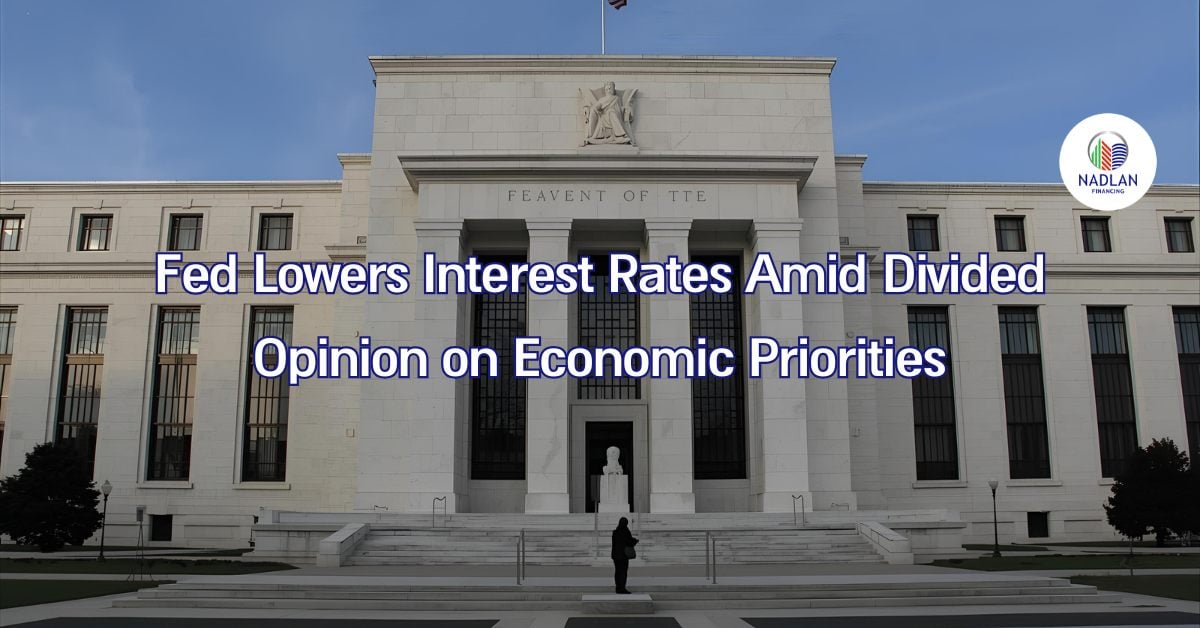
On Wednesday, the Federal Reserve will announce its next interest rate decision. Most investors expect the Fed to cut rates again, but there is noticeably less confidence than usual. Traders are watching for three main outcomes:
1. The actual rate decision
While a cut is likely, nothing is guaranteed—and even a “expected” cut can still cause volatility.
2. The new dot plot
This update shows each Fed member’s forecast for future interest rates. Any shift in expectations for 2026 or later could move markets quickly.
3. Fed Chair Jerome Powell’s press conference
Powell’s comments often have an even bigger impact on rates than the policy decision itself. Markets will be listening closely for hints about how the Fed sees inflation and economic growth heading into the new year.
Remember: Fed Cuts Don’t Directly Lower Mortgage Rates
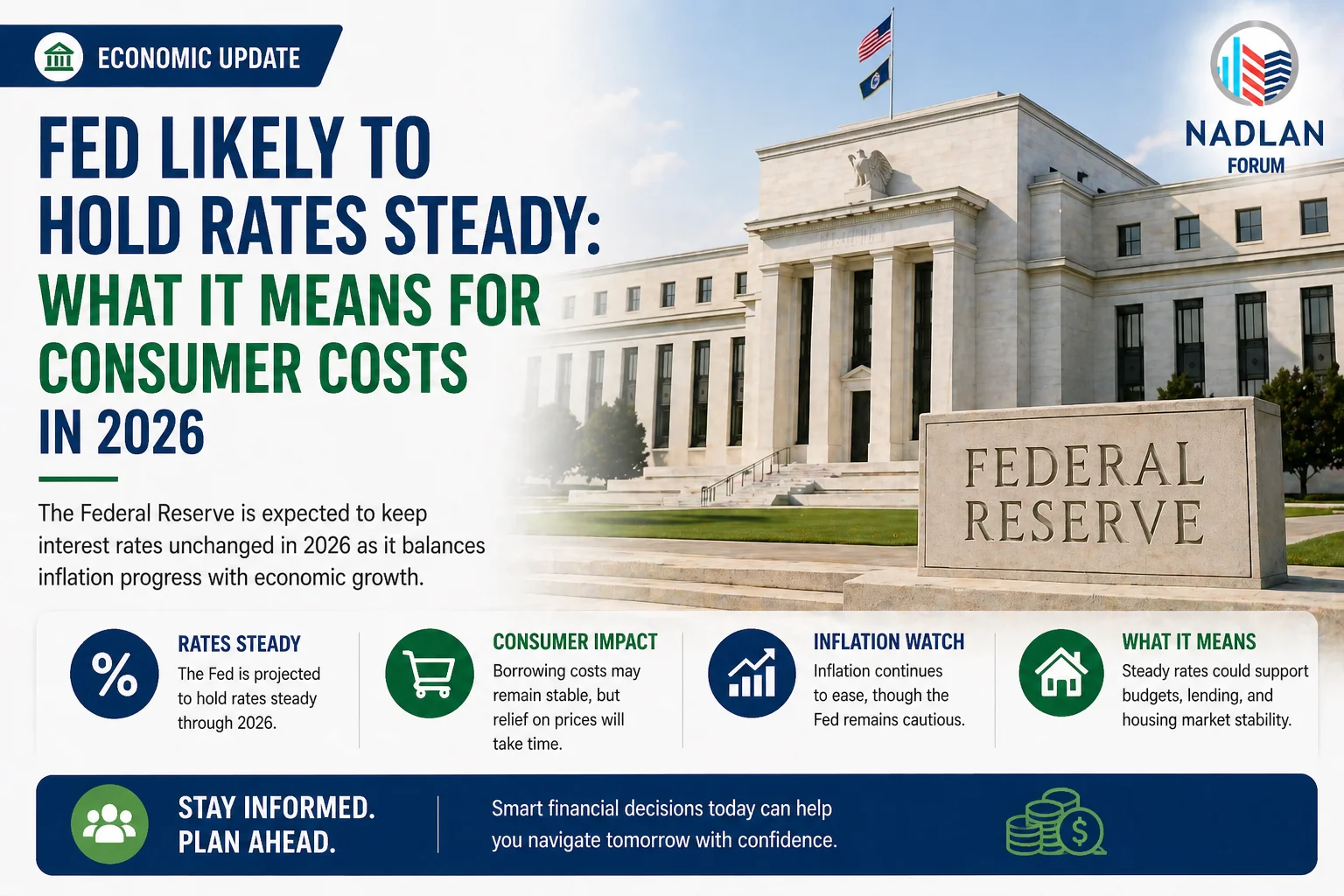
A common misunderstanding is that when the Fed cuts rates, mortgage rates automatically drop. In reality, mortgage rates respond more to the bond market’s reaction than to the Fed’s announcement itself.
In fact, it’s historically more common for mortgage rates to rise after the Fed cuts rates. This happens because rate cuts can signal stronger economic conditions ahead, pushing long-term yields higher.
What to Expect Moving Forward
With the JOLTS report, the upcoming partial October jobs data, and the Fed meeting all packed into the next week, it’s likely the calmness in mortgage rates won’t last. The market is preparing for a potentially volatile stretch that could push rates higher or lower depending on how the data lands.
For now, mortgage rates remain stable but the quiet may be the calm before a busy week in financial markets. For direct financing consultations or mortgage options for you visit 👉 Nadlan Capital Group.

























Responses