
Hello Monday

#EntrepreneurOfTheWeek
#PostTwo
#Portfolio
Hey everyone,
Happy Monday!
I did my first real estate deal over 10 years ago. Back then, there wasn’t nearly as much information available. No one was talking about BRRRR, portfolios, or anything like that. Mostly, there were slogans like “the American dream” and “financial freedom.”
At that time (and still today), I was very interested in financial management, so I used a lot of leverage—something that wasn’t as common or well-known as it is today. I was constantly busy with calculations and financial “maneuvers.”
I found myself sitting with Excel spreadsheets, trying to figure out how to reach financial freedom through U.S. real estate. The problem was that after a small number of properties, I got stuck. Even with all the financial tricks in the world, at some point—you simply run out of money.
That’s when I realized I needed a mindset shift: I had to start thinking in terms of scale and quantity, and think much bigger. Otherwise, it would take me decades. I also experienced firsthand how rental income gets wiped out very quickly when you own only a few properties—one year of good rent, then a tenant leaves, a renovation comes along, and everything you earned is gone.
When I met Efi about six years ago, it was clear to both of us that we wanted to do something bigger. The initial idea was multifamily, but in the end we found ourselves buying two adjacent fourplexes in Florida—essentially an 8-unit building. It wasn’t a “home run” deal, and we knew that, but it was our entry ticket into the “bigger players’ game.”
This deal was our first experience with private loans, hard money, a renovation of over $100,000, managing an entire building, refinancing, and a lot of learning experiences.
Despite all the challenges, we understood that this was the direction we needed to go.
A short but important insight: don’t wait for the perfect deal. What’s more important is staying in motion and extracting the maximum value from every deal. That doesn’t mean jumping into bad deals just to move—but sitting on the fence has never brought anyone closer to their goals.
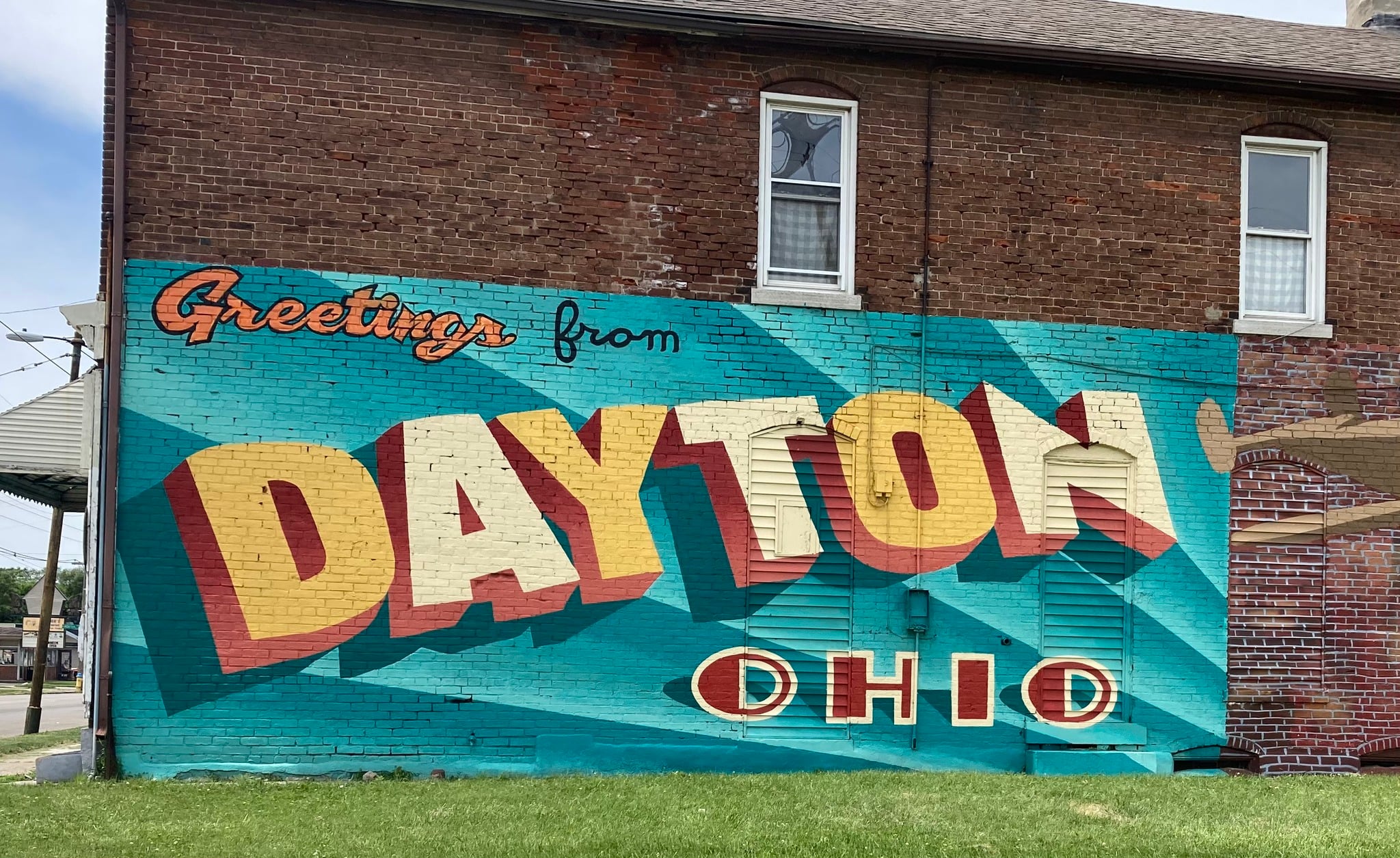
We continued with another small portfolio in Florida, but the real breakthrough came from Ohio. Almost out of nowhere, we were presented with a deal for 20 single-family homes in Dayton, Ohio. Until then, Ohio—and especially Dayton—felt like areas we should avoid. But once we were on the ground, we realized we had arrived in a fantastic investor market, very similar to what Florida had been for us a few years earlier.
This deal was especially challenging: a new market, the COVID period (our broker actually caught COVID and passed away about two weeks before closing), and a capital raise larger than we were used to. Despite everything, we were prepared and determined—and we managed to close the deal using hard money and private lenders, with almost no equity of our own.
One of the advantages of buying a portfolio is that there are many ways to structure the deal. In general, the larger the deal, the more room there is for creativity.
For example, there is usually a total purchase price—say $1 million—but we can allocate the price per house (assuming the appraisal supports it). That allows us to buy, for instance, 15 out of the 20 houses at a “maximum price” and take a hard money loan against them that covers nearly the entire $1 million. The remaining 5 houses can be purchased at a “floor price,” combined with an 80% private loan, completing the total purchase amount. This kind of structure simply isn’t possible with one or two houses.
In the photos below, you can see how much cash we actually needed to buy 3 houses that were part of a 70-home portfolio. The homes were worth several hundred thousand dollars, but most of the capital was raised through hard money against the other properties—leaving these homes free and clear.
In the next post, we’ll talk about buying an entire portfolio versus accumulating properties one by one.



























Responses