
7 Top REITs To Watch For Strong Returns In 2026


In today’s unpredictable markets, investors are increasingly turning to real estate investment trusts for stability and opportunity. The outlook for 2026 is especially compelling, as top reits are positioned to benefit from changing economic trends, evolving interest rates, and innovation across property sectors. This article spotlights seven top reits with exceptional growth and income prospects. We will analyze each REIT’s core strengths, sector trends, and the features that set them apart. Discover why these top reits could offer both resilience and strong returns, and get inspired to explore their potential for your portfolio.
Why REITs Remain a Compelling Choice for 2026
Real estate investment trusts remain a cornerstone for investors seeking resilience and reliable income in unpredictable markets. The appeal of top reits is rooted in their proven ability to deliver steady returns, even as economic conditions shift. With 2026 on the horizon, understanding what makes top reits compelling is essential for anyone looking to build a robust portfolio.
Defensive Strength and Income Generation
Top reits have historically outperformed during periods of inflation and rising interest rates, providing a buffer when traditional assets face volatility. Their consistent dividend yields, often ranging from 3% to 6%, make them attractive compared to many equities or bonds. Investors value the predictable income streams that top reits offer, especially in uncertain times. According to REITs’ Performance During Rising Interest Rates, these assets have shown resilience and adaptability when rates climb, cementing their status as a reliable choice for long-term income generation.
Sector Diversification and Growth Drivers
A key advantage of top reits is sector diversification. REITs span industrial, data centers, healthcare, storage, residential, and specialty sectors, allowing investors to spread risk and capture unique growth opportunities. For example, data center and logistics reits benefit from the surge in e-commerce and digital transformation. This diversity means top reits can adapt to changing market demands, reducing exposure to downturns in any single sector. Investors gain access to dynamic trends, making their portfolios more resilient and future ready.
Evolving Market Trends and Future Outlook
Looking ahead to 2026, several macroeconomic factors will shape the performance of top reits. Expectations of a stabilizing interest rate environment, demographic shifts like an aging population, and rapid technology adoption all play key roles. The largest reits, such as Prologis and Welltower, continue to adjust their portfolios to meet evolving demand. As urbanization and technological change accelerate, top reits are positioned to capitalize on new opportunities and maintain their competitive edge in a changing landscape.
Key Factors for Selecting Top REITs
Selecting top reits for 2026 requires focusing on several critical factors. Investors should prioritize strong balance sheets, reliable and growing dividends, and the potential for sustainable growth. Management quality and strategic vision also set leading reits apart from the rest. By analyzing these elements, investors can identify top reits that combine stability, innovation, and income potential, positioning their portfolios for success in the years ahead.
7 Top REITs To Watch For Strong Returns In 2026
Investors searching for strong growth and reliable income in 2026 should pay close attention to these 7 top reits. Each stands out for its sector leadership, financial resilience, and adaptability to evolving market trends. As the REIT market continues to expand and diversify, understanding the unique characteristics of these top reits can help position your portfolio for success. For further context on the industry’s size and future outlook, see the REIT Market Size and Future Trends report.
Prologis (PLD)
Prologis stands as a global powerhouse among top reits, commanding a market cap exceeding $100 billion and consistently trading at a premium to book value. Specializing in industrial and logistics real estate, Prologis owns an extensive portfolio of strategically located facilities vital to e-commerce and supply chain efficiency.

Investors are drawn to Prologis for its robust FFO growth and high-quality tenant base, which includes major retailers and manufacturers. Its international reach allows it to capture opportunities across North America, Europe, and Asia. The company’s focus on supply chain modernization and low vacancy rates provides stability even during shifting economic cycles.
Pros:
- Strong FFO growth
- High-quality tenants
- Global footprint
Cons:
- Sensitive to trade and economic cycles
Example: Prologis is set to benefit from projected rental growth in 2025–2026 as companies reshore supply chains, reinforcing its position among top reits.
Public Storage (PSA)
Public Storage is the largest self-storage REIT in the U.S., boasting a market cap above $50 billion and a reliable dividend yield near 4%. Its vast network of facilities spans diverse regions, making it a resilient choice among top reits for both income and defense.

The self-storage sector is known for high occupancy and recession resilience, and Public Storage consistently outperforms with operational efficiency and scale. Income-focused investors appreciate its history of steady dividend growth and low volatility, especially during economic downturns.
Pros:
- Consistent dividend growth
- Operational efficiency
- Scale advantages
Cons:
- Intense competition in a fragmented market
Example: Even in challenging periods, Public Storage has maintained high occupancy, underlining its defensive value among top reits.
VICI Properties (VICI)
VICI Properties distinguishes itself in the top reits landscape with a market cap around $34 billion and a dividend yield above 5%. This REIT owns a premier portfolio of casino, hospitality, and entertainment assets, offering unique exposure to the gaming sector.

Its long-term triple-net leases provide built-in inflation protection and stable, predictable income. Investors seeking diversification beyond traditional real estate sectors find VICI appealing thanks to contractual rent escalators and a strong tenant base. However, sector concentration in gaming and hospitality introduces specific risks.
Pros:
- Contractual rent escalators
- Strong tenant base
- Predictable income
Cons:
- Concentration risk in gaming/hospitality
Example: VICI continues to expand through acquisitions, demonstrating cash flow resilience during market volatility, securing its status among top reits.
Equinix (EQIX)
Equinix is a leading global data center REIT with a market cap near $88 billion and a dividend yield around 2%. As one of the top reits in digital infrastructure, Equinix operates a vast network of interconnection hubs that power cloud computing, AI, and enterprise services.
The company’s high barriers to entry and recurring revenue streams attract growth-oriented investors. Equinix’s global reach and focus on high-growth markets drive expansion, while strong tenant retention supports long-term stability. The capital-intensive nature of the business and sensitivity to tech cycles are important considerations.
Pros:
- Recurring revenues
- Strong tenant retention
- Global expansion
Cons:
- High capital requirements
- Tech cycle exposure
Example: Surging demand for AI and cloud services positions Equinix at the forefront of top reits benefiting from digital transformation.
AvalonBay Communities (AVB)
AvalonBay Communities is a premier owner and operator of multifamily apartment communities, with a market cap of about $32 billion and a dividend yield near 3%. Among top reits, AVB offers exposure to housing shortages, demographic shifts, and urban migration trends.
The company’s focus on high-barrier U.S. markets ensures high occupancy rates and consistent rent growth. Investors seeking steady income and inflation hedging appreciate AvalonBay’s strong balance sheet, though regulatory risks and geographic concentration are factors to monitor.
Pros:
- High occupancy rates
- Rent growth potential
- Strong balance sheet
Cons:
- Regulatory risks (rent control)
- Geographic concentration
Example: AvalonBay has delivered consistent rent increases in supply-constrained coastal cities, securing its place among the top reits for 2026.
Digital Realty Trust (DLR)
Digital Realty Trust is a major player in global data centers, supporting cloud, enterprise, and AI workloads. With a market cap of approximately $54 billion and a dividend yield over 3%, DLR is one of the top reits for those seeking exposure to digital infrastructure.

The company’s international presence and long-term lease structures provide income stability and global diversification. Digital Realty’s strong development pipeline and high customer retention rates are significant strengths, though high capital expenditures and industry competition remain challenges.
Pros:
- Strong development pipeline
- High customer retention
- International footprint
Cons:
- High capital expenditures
- Competitive market
Example: DLR is expanding in Europe and Asia to capture global cloud growth, reinforcing its leadership among top reits.
Realty Income (O)
Realty Income, known as the “Monthly Dividend Company,” features a market cap near $51 billion and a dividend yield above 5%. Its diversified net lease portfolio includes retail, industrial, and healthcare tenants, making it a staple among top reits for income-focused investors.

The company’s long history of monthly dividends, over 50 years of consecutive payments, and defensive tenant mix appeal to conservative portfolios and retirees alike. While interest rate sensitivity and retail sector exposure are risks, Realty Income’s status as a dividend aristocrat offers peace of mind.
Pros:
- Monthly dividends
- Long lease terms
- Recession-resistant tenants
Cons:
- Retail sector exposure
- Interest rate sensitivity
Example: Realty Income’s stable cash flows and commitment to dividend growth keep it firmly positioned among the top reits.
Trends Shaping REIT Performance in 2026
As investors look to the future, several trends are reshaping the outlook for top reits in 2026. From technological advancements to shifting demographics and regulatory changes, understanding these factors is essential for choosing resilient REIT investments. Let us explore the key forces at play.
Technology, Demographics, and Regulation
The digital transformation is fueling demand for data centers and cell towers, making technology-driven REITs a major focus for top reits. The rise of AI, cloud computing, and 5G networks is pushing operators to expand capacity and modernize assets.
Demographics also play a significant role. The aging population boosts demand for healthcare and senior living facilities, while ongoing urbanization supports residential and multifamily REITs.
Regulation continues to shape the landscape. New zoning laws, ESG mandates, and rent control policies are top considerations for REIT management teams, influencing both risk and opportunity.
Capital Markets and Interest Rates
Interest rates are a critical driver for top reits, affecting borrowing costs and property values. With the 2026 market trends for investors suggesting a potentially stable rate environment, REITs may see a more predictable backdrop for capital allocation.
Cap rate trends will influence acquisition strategies and portfolio values. Investors are seeking yield and stable cash flows in a shifting macro environment. For a deeper dive, the Impact of Interest Rates on REITs offers comprehensive research on these dynamics.
M&A Activity and Portfolio Optimization
Mergers and acquisitions remain active among top reits, helping companies scale and optimize portfolios. Recent years have seen major deals in the gaming, data center, and logistics sectors, each aimed at enhancing operational efficiency and market reach.
Portfolio recycling selling mature assets to reinvest in higher growth opportunities—is another strategic lever. This approach helps REITs stay agile and responsive to changing demand, positioning them for stronger returns.
ESG and Sustainability
Sustainability is now a core priority for most top reits. Leading firms are investing in green building certifications, energy-efficient upgrades, and transparent ESG reporting to meet both regulatory requirements and investor expectations.
Environmental and social responsibility initiatives are not just compliance measures—they are key differentiators for attracting capital. As ESG standards evolve, REITs integrating these practices are likely to see long-term benefits, including lower costs and enhanced tenant demand.
How to Evaluate and Select the Best REITs for Your Portfolio
Selecting the top reits for your portfolio starts with understanding the core metrics that drive performance. Break down the numbers behind each REIT, and you will gain a clearer sense of which options offer the best mix of income, stability, and growth potential. Let us explore the essential steps for evaluating and building a resilient REIT allocation.
Key Metrics and Due Diligence
Start your analysis by focusing on Funds From Operations (FFO) and Adjusted FFO (AFFO), which reveal a REIT’s true cash-generating power. Net Asset Value (NAV) helps you compare market price to underlying property values. For the top reits, look at dividend payout ratios and growth history to assess income reliability. Examine leverage, interest coverage, and debt maturities, as these influence risk and long-term stability. Prioritize REITs with transparent management teams and clear reporting practices. Deep due diligence on these metrics helps you spot quality and avoid pitfalls.
Portfolio Fit and Risk Management
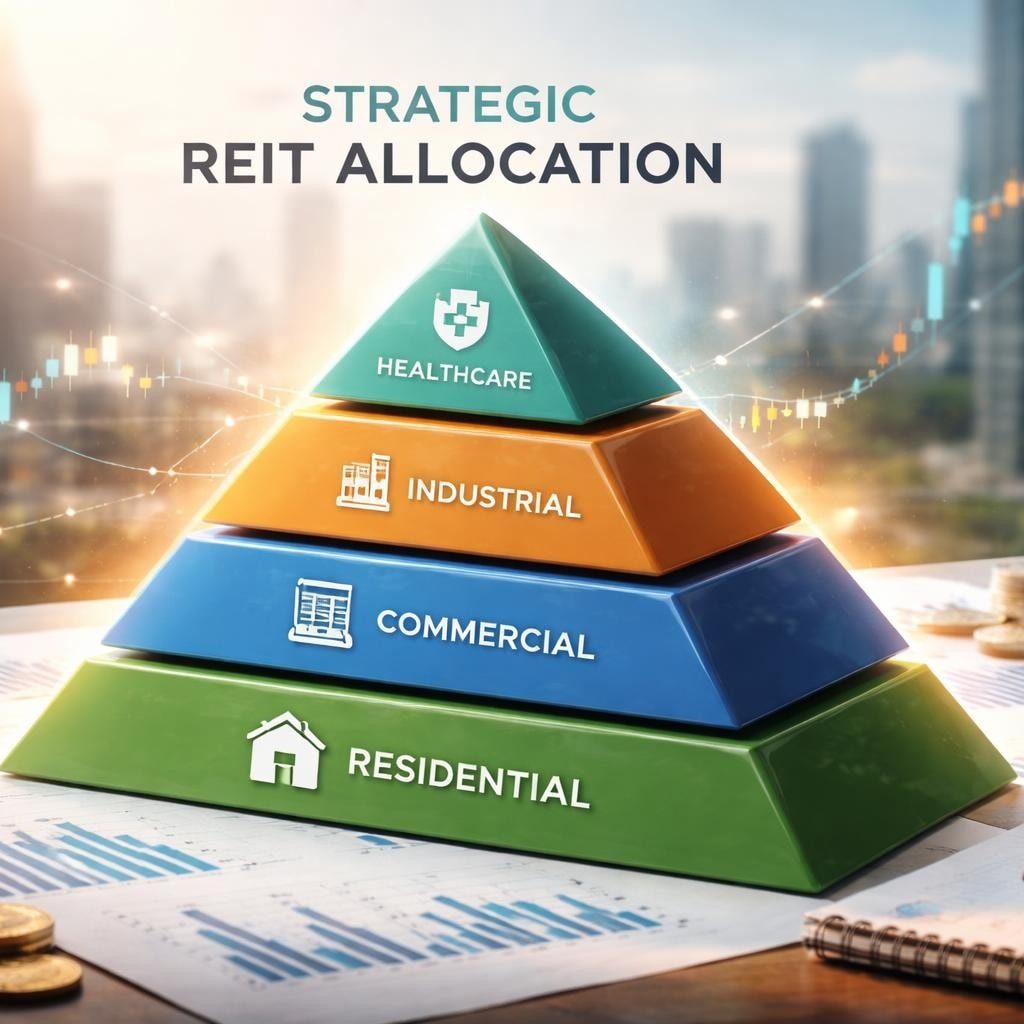
Diversifying across property types, geographies, and tenant bases reduces risk and smooths returns. The top reits in your portfolio should complement each other, balancing growth-oriented picks with steady income producers. Consider sector-specific exposures, such as data centers or multifamily housing, to capture unique trends. According to REITs as Portfolio Diversifiers, REITs can improve portfolio resilience by offering low correlation to stocks and bonds. Match your allocation to your personal risk tolerance and financial goals for optimal results.
Monitoring and Ongoing Assessment
Regularly track your top reits by reviewing quarterly earnings, management updates, and sector news. Pay close attention to changes in FFO, occupancy rates, and debt metrics, as these signal shifts in performance. Adjust your allocations as interest rates or market conditions evolve. Tools like REIT ETFs and real estate mutual funds help you monitor broader trends and maintain diversification. Staying informed and responsive ensures your portfolio remains aligned with your objectives and market realities.
Example Scenarios and Use Cases
A retiree seeking stable income might allocate more to top reits with monthly dividends and defensive sector exposure, such as retail or healthcare. In contrast, a younger, growth-focused investor could emphasize digital infrastructure and logistics REITs with higher capital appreciation potential. Blending both approaches allows for a balanced strategy that adapts to life stages and market cycles. Use competitor data and sector weightings as benchmarks to fine-tune your REIT allocation for your specific needs.
After exploring these top REITs and understanding what makes them stand out, you might be thinking about how to take your next step in U S real estate investment. Whether you are looking to diversify your portfolio or seize new opportunities in 2026, having the right financial foundation is key. If you are considering a property purchase or expanding your real estate holdings, you can set yourself up for success by securing smart financing options. Ready to move forward? Get a mortgage in the US today and start building your path toward strong returns.





















Responses